
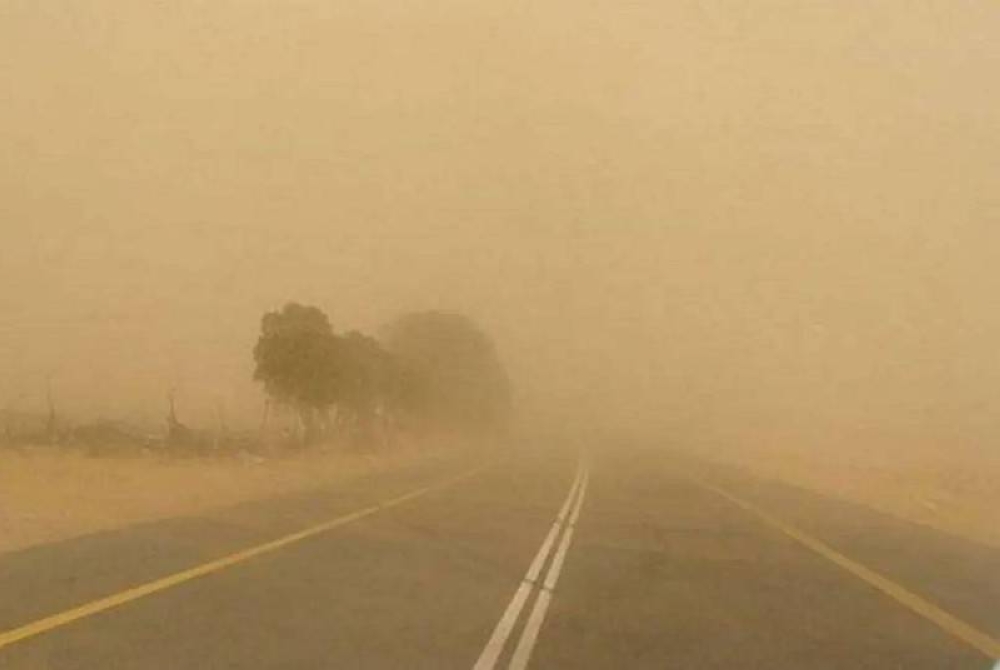
كشف خبير الأرصاد والأحوال الجوية، الدكتور خالد الزعاق، عن بدء ظهور ملامح موسم رياح البوارح، الذي يتميز بالجفاف الشديد، والحرارة المرتفعة، والغبار الكثيف، مشيراً إلى أن هذا الموسم بدأ مبكراً خلافاً لما هو معتاد.
وبين أن رياح البوارح تبدأ في أواخر مايو متزامنة مع ظهور نجم الثريا المعروف بـ«بارح الثريا»، وهو من نجوم مربعانية القيظ، إلا أن رياح هذا العام تقدمت نحو عشرين يوماً بسبب تأثيرات المنخفضات والمرتفعات الجوية العالمية.
وأوضح أن هذه الرياح موسمية و«رتيبة»، أي ليست غريبة؛ إذ تهب في هذا التوقيت من كل عام بدرجات متفاوتة في الشدة، ويعود اسم «البوارح» إلى أنها «تبرح الأرض برحاً» أي «تندفها ندفاً»، في إشارة إلى شدتها وتأثيرها الكبير في إثارة الأتربة والغبار.
وأضاف أن رياح البوارح تنشط مع شروق الشمس، وتبلغ ذروتها في وقت الظهيرة، ثم تبدأ بالانحسار عند غروب الشمس؛ ما يؤدي إلى ترسُّب الغبار على الأسطح، وجَعْل قرص الشمس يبدو وكأنه «بيضة بلا شعاع»؛ بسبب كثافة الغبار في طبقات الجو العليا.
خبير أرصاد: موسم «غبار البوارح» بدأ مبكراً
21 مايو 2025 - 16:30
|
آخر تحديث 21 مايو 2025 - 16:30


تابع قناة عكاظ على الواتساب
إبراهيم العلوي (جدة) @i_waleeed22
Meteorology and weather expert Dr. Khalid Al-Zaqaq revealed the early signs of the "Bawarih" winds season, which is characterized by extreme dryness, high temperatures, and dense dust. He pointed out that this season has started earlier than usual.
He explained that the Bawarih winds typically begin in late May, coinciding with the appearance of the Pleiades star, known as "Bariḥ Al-Thurayya," which is one of the stars of the summer's square. However, this year's winds have advanced by about twenty days due to the effects of global low and high pressure systems.
He clarified that these winds are seasonal and "routine," meaning they are not unusual; they blow at this time every year with varying degrees of intensity. The name "Bawarih" comes from the fact that they "drive the earth away," referring to their strength and significant impact in stirring up dust and debris.
He added that the Bawarih winds become active with the sunrise, peak at noon, and then start to subside at sunset, leading to dust settling on surfaces and making the sun appear like "an egg without rays" due to the density of dust in the upper layers of the atmosphere.
He explained that the Bawarih winds typically begin in late May, coinciding with the appearance of the Pleiades star, known as "Bariḥ Al-Thurayya," which is one of the stars of the summer's square. However, this year's winds have advanced by about twenty days due to the effects of global low and high pressure systems.
He clarified that these winds are seasonal and "routine," meaning they are not unusual; they blow at this time every year with varying degrees of intensity. The name "Bawarih" comes from the fact that they "drive the earth away," referring to their strength and significant impact in stirring up dust and debris.
He added that the Bawarih winds become active with the sunrise, peak at noon, and then start to subside at sunset, leading to dust settling on surfaces and making the sun appear like "an egg without rays" due to the density of dust in the upper layers of the atmosphere.