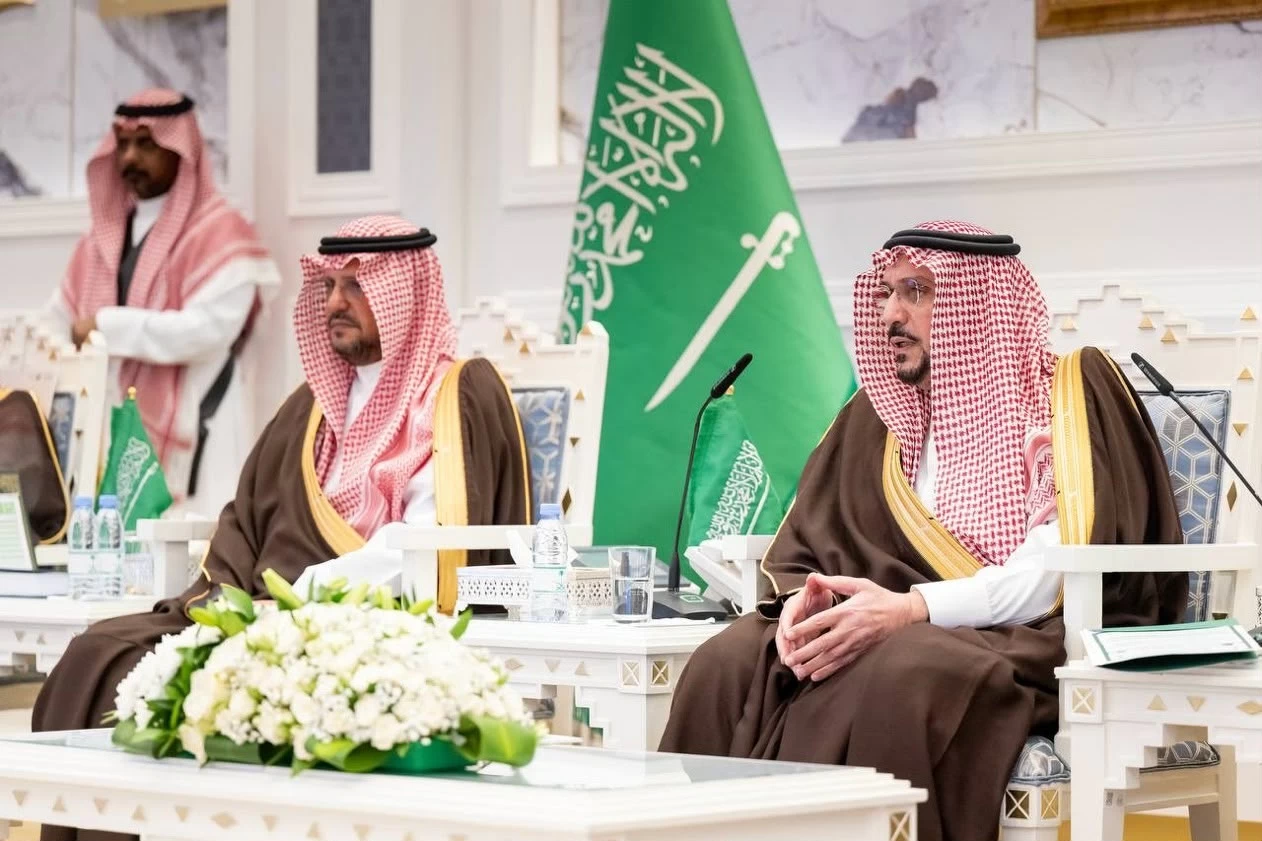
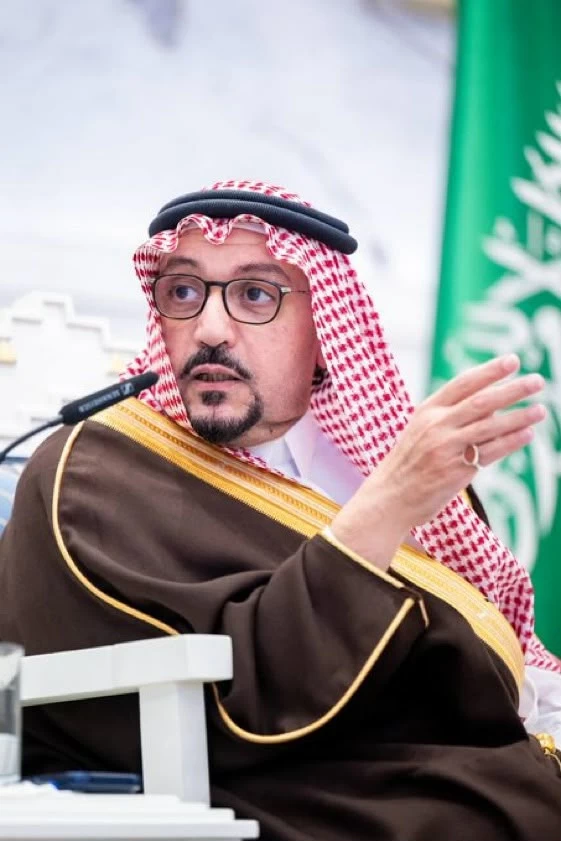
أكد أمير منطقة القصيم الأمير الدكتور فيصل بن مشعل بن سعود بن عبدالعزيز، أن التطور المتسارع في وسائل الاتصال والتقنيات الرقمية أوجد تحديات أمام مصداقية المحتوى الإعلامي، مع اتساع النشر واختلاط المعلومات الصحيحة بالمزيفة، محذراً من تنامي الشائعات والتضليل والتشكيك في المصادر الرسمية، وما يترتب على ذلك من آثار تمس وعي المجتمع وقيمه وتماسكه.
جاء ذلك خلال استقبال الأمير، بحضور نائب أمير المنطقة الأمير فهد بن سعد بن فيصل بن سعد، عدداً من أصحاب الفضيلة والمسؤولين المدنيين والعسكريين، في قصر التوحيد بمدينة بريدة. وشهد الاستقبال لقاءً بعنوان «الفارق بين التوثيق والتصوير»، تناول مسؤولية الأفراد والمؤسسات الإعلامية في التعامل مع المحتوى الرقمي، والتمييز بين تسجيل الأحداث وتوثيقها ونشرها وفق الضوابط المهنية والأخلاقية.
وقال أمير القصيم: «أصبح كل شخص يحمل منصة إعلامية في جيبه»، موضحاً أن الأجهزة الحديثة أتاحت للأفراد إنتاج المحتوى ونشره والوصول إلى الجمهور، ما يضاعف مسؤوليتهم في تحري الدقة وصون الحقوق.
وأشار إلى أن مسؤولية مواجهة التضليل الإعلامي والفكري تشمل منتجي المحتوى وناشريه ومتلقيه، مؤكداً أن وعي المواطن وحسن تمييزه بين الحقيقة والتضليل يمثلان خط الدفاع الأول لحماية أمن المجتمع وتماسكه.
ودعا إلى الارتقاء بالمحتوى المنشور، وإبراز القدوات الإيجابية والنماذج الوطنية المشرفة، وترسيخ أخلاقيات الإعلام المسؤول بما يحمي النشء، ويحافظ على اللحمة الوطنية، ويعزز الوعي في مواجهة محاولات تزييف الحقائق.
ونوّه بدور الهيئة العامة لتنظيم الإعلام في تطوير القطاع وتنظيمه وتعزيز الامتثال للأنظمة واللوائح، مؤكداً أهمية تكامل جهودها مع المؤسسات التعليمية والإعلامية والأسر لبناء ثقافة رقمية واعية تجعل المصداقية واحترام الإنسان أساساً للممارسة الإعلامية.
واستعرض رئيس الهيئة العامة لتنظيم الإعلام الدكتور عبداللطيف بن محمد العبداللطيف مهام الهيئة واختصاصاتها في تنظيم قطاع الإعلام وتطويره وتمكينه، موضحاً أن نطاق عملها يشمل الإعلام المرئي والمسموع والنشر والإعلانات والألعاب الإلكترونية، إلى جانب إصدار التراخيص والتصاريح، ورصد المحتوى، وتعزيز الامتثال والرقابة وفق الأنظمة واللوائح.
وتناول أبرز المخالفات المرتبطة بالتصوير والنشر، ومنها انتهاك الخصوصية وكشف البيانات الشخصية دون مسوغ نظامي، وتضليل الجمهور بالمحتوى المجتزأ أو المحرّف، والتشهير والإضرار بالسمعة، والتعدي على حقوق أصحاب الصور واستخدام أعمالهم دون الحصول على الحقوق اللازمة.
من جانبه، أوضح الأستاذ المشارك بجامعة الملك عبدالعزيز الدكتور محمد المسعودي، أثر الصور المجتزأة في تكوين انطباعات غير دقيقة لدى الجمهور وما قد ينشأ عنها من إساءة أو تضليل، مؤكداً أهمية التوثيق المهني في مواجهة الشائعات وكشف الحقائق، والمحافظة على السياق الكامل للأحداث عند تصويرها أو تداولها.
The Emir of the Al-Qassim region, Prince Dr. Faisal bin Mishaal bin Saud bin Abdulaziz, confirmed that the rapid development in communication methods and digital technologies has created challenges for the credibility of media content, with the expansion of publication and the mixing of accurate information with falsehoods. He warned of the growing spread of rumors, misinformation, and skepticism towards official sources, and the resulting effects on the awareness, values, and cohesion of society.
This came during the prince's reception, in the presence of the Deputy Emir of the region, Prince Fahd bin Saad bin Faisal bin Saad, along with a number of esteemed individuals and civil and military officials, at the Al-Tawheed Palace in the city of Buraidah. The reception featured a meeting titled "The Difference Between Documentation and Photography," which addressed the responsibility of individuals and media institutions in dealing with digital content, and the distinction between recording events, documenting them, and publishing them according to professional and ethical standards.
The Emir of Al-Qassim stated: "Every person now carries a media platform in their pocket," explaining that modern devices have enabled individuals to produce content, publish it, and reach audiences, which multiplies their responsibility to ensure accuracy and protect rights.
He pointed out that the responsibility to combat media and intellectual misinformation includes content producers, publishers, and recipients, emphasizing that the awareness of citizens and their ability to distinguish between truth and deception represent the first line of defense in protecting the security and cohesion of society.
He called for elevating the published content, highlighting positive role models and honorable national figures, and instilling the ethics of responsible media that protect the youth, maintain national unity, and enhance awareness in facing attempts to distort the truth.
He praised the role of the General Commission for Media Regulation in developing and organizing the sector and enhancing compliance with regulations and laws, stressing the importance of integrating its efforts with educational, media, and family institutions to build a conscious digital culture that makes credibility and respect for individuals the foundation of media practice.
The Chairman of the General Commission for Media Regulation, Dr. Abdul Latif bin Mohammed Al-Abdul Latif, reviewed the commission's tasks and responsibilities in organizing and developing the media sector and empowering it, explaining that its scope of work includes visual and audio media, publishing, advertising, and electronic games, in addition to issuing licenses and permits, monitoring content, and enhancing compliance and oversight according to regulations and laws.
He discussed the most significant violations related to photography and publication, including violations of privacy and the disclosure of personal data without legal justification, misleading the public with edited or distorted content, defamation and harm to reputation, and infringing on the rights of image owners and using their works without obtaining the necessary rights.
For his part, Associate Professor at King Abdulaziz University, Dr. Mohammed Al-Masoudi, explained the impact of edited images in forming inaccurate impressions among the public and the potential harm or misinformation that may arise from them, emphasizing the importance of professional documentation in combating rumors and revealing truths, while maintaining the complete context of events when photographing or circulating them.