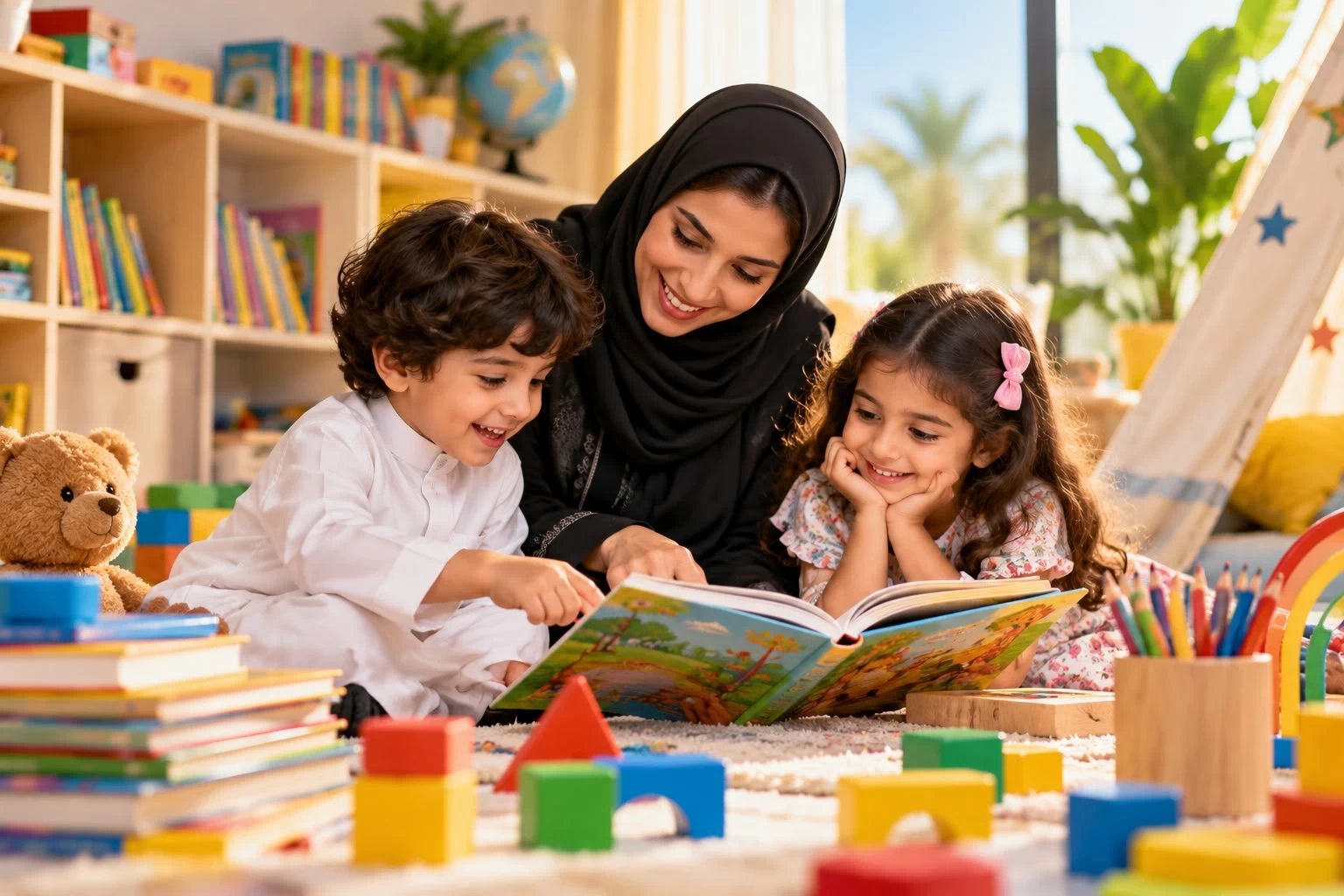
كشفت الهيئة العامة للإحصاء، في نتائج «إحصاءات تنمية الطفولة المبكرة ورفاهية الطفل لعام 2026»، أن 85.3% من الأطفال الذين تتراوح أعمارهم بين 24 و59 شهراً يسيرون على المسار الصحيح للنمو في مجالات الصحة والتعلم والرفاه النفسي والاجتماعي، فيما بلغت نسبة الملتحقين ببرامج تعليم الطفولة المبكرة من الفئة العمرية بين 36 و59 شهراً 17.6% فقط.
بيئة منزلية محفزة
أظهرت النتائج أن 89.6% من الأطفال بين 36 و59 شهراً يعيشون في بيئة منزلية إيجابية ومحفزة للتعلم، مقابل 10.4% خارج هذه الفئة. ويبرز التفاوت بين هذا المؤشر ونسبة الالتحاق بالتعليم المبكر أهميةً دراسة مدى توافر البرامج التعليمية وسهولة الوصول إليها، والعوامل الأسرية والاقتصادية والجغرافية المؤثرة في التحاق الأطفال بها.
الكتب وأدوات اللعب
أفادت الإحصاءات بأن 32.3% من الأطفال دون الخامسة لديهم كتاب أطفال واحد أو كتابان، فيما بلغت نسبة الأطفال الذين يلعبون بنوعين أو أكثر من أدوات اللعب 72.9%. وتبرز هذه النتائج أهميةً تعزيز توافر الكتب والمواد التعليمية في المنازل، وتشجيع القراءة واللعب التفاعلي لتنمية المهارات اللغوية والمعرفية والاجتماعية. ولا تعني النسبة المتبقية من مؤشر الكتب أن الأطفال لا يمتلكون كتباً، إذ قد تشمل من لديهم عدد أكبر.
التعلم المنظم
سجل معدل المشاركة في التعلم المنظم خلال السنة السابقة لسن الالتحاق الرسمي بالتعليم الابتدائي 74.8%، مقابل 25.2% خارج نطاق المشاركة المحددة في المؤشر. ويختلف هذا المؤشر عن الالتحاق ببرامج الطفولة المبكرة البالغ 17.6%، لاختلاف الفئة العمرية المستهدفة وتعريف كل مؤشر.
تفاوت يستدعي الدراسة
تبرز النتائج أهميةً دراسة انتشار برامج التعليم المبكر، وتوافر الموارد التعليمية المنزلية، والعوامل المؤثرة في مشاركة الأطفال بالأنشطة المنظمة، إلى جانب تحليل الفروق بين المناطق والفئات الاجتماعية والاقتصادية لتحديد الحاجات وتوسيع فرص الوصول إلى البرامج التعليمية.
ويرى المتخصص في علم الاجتماع عبدالله البقعاوي أن ارتفاع نسبة الأطفال الذين يعيشون في بيئة منزلية محفزة إلى 89.6%، مقابل التحاق 17.6% فقط ببرامج الطفولة المبكرة، يستدعي دراسةً العوامل الاجتماعية والاقتصادية المؤثرة في قرارات الأسر ومدى توافر البرامج وسهولة الوصول إليها. وأكد أهميةً تعزيز الشراكة بين الأسرة والمؤسسات التعليمية، وترسيخ القراءة واللعب التفاعلي لتنمية مهارات الأطفال المعرفية والاجتماعية.
The General Authority for Statistics revealed in the results of the "Early Childhood Development and Child Well-Being Statistics for 2026" that 85.3% of children aged between 24 and 59 months are on the right track for growth in health, learning, and psychological and social well-being, while the percentage of those enrolled in early childhood education programs for the age group between 36 and 59 months is only 17.6%.
Stimulating Home Environment
The results showed that 89.6% of children between 36 and 59 months live in a positive and stimulating home environment for learning, compared to 10.4% outside this category. The disparity between this indicator and the enrollment rate in early education highlights the importance of studying the availability of educational programs and their accessibility, as well as the family, economic, and geographical factors influencing children's enrollment.
Books and Play Tools
Statistics indicated that 32.3% of children under five have one or two children's books, while the percentage of children playing with two or more types of play tools is 72.9%. These results underscore the importance of enhancing the availability of books and educational materials in homes, and encouraging reading and interactive play to develop language, cognitive, and social skills. The remaining percentage of the book indicator does not mean that children do not own books, as it may include those with a larger number.
Organized Learning
The participation rate in organized learning during the year prior to the official enrollment age for primary education recorded 74.8%, compared to 25.2% outside the defined participation scope in the indicator. This indicator differs from the enrollment in early childhood programs, which stands at 17.6%, due to the differing target age group and the definition of each indicator.
Disparity Requiring Study
The results highlight the importance of studying the spread of early education programs, the availability of home educational resources, and the factors influencing children's participation in organized activities, along with analyzing the differences between regions and social and economic groups to identify needs and expand access to educational programs.
Sociologist Abdullah Al-Buqai believes that the high percentage of children living in a stimulating home environment at 89.6%, compared to only 17.6% enrolled in early childhood programs, necessitates a study of the social and economic factors affecting family decisions and the availability and accessibility of programs. He emphasized the importance of strengthening the partnership between families and educational institutions, and reinforcing reading and interactive play to develop children's cognitive and social skills.