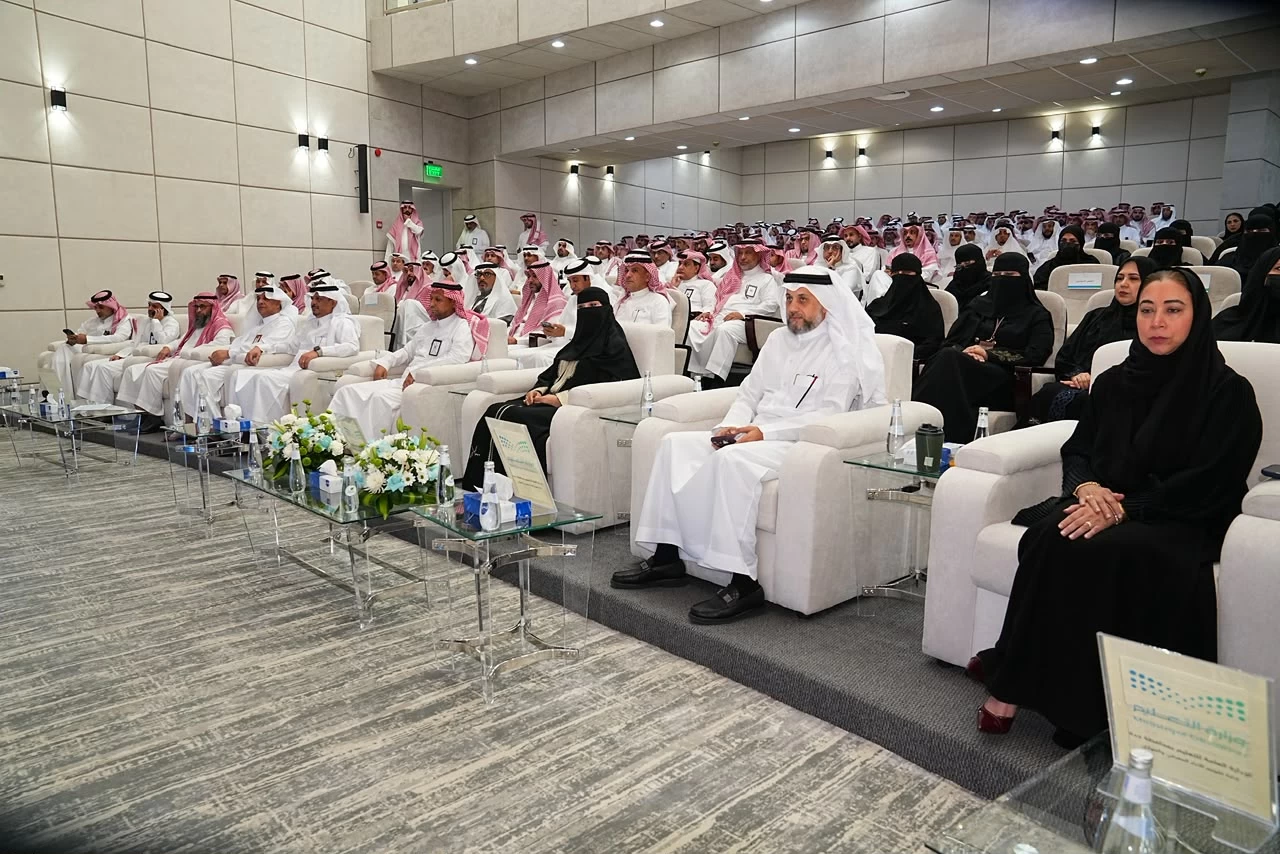
لم تعد نتائج الاختبارات الوطنية مجرد أرقام ترصد مستويات التحصيل الدراسي، بل أصبحت مؤشرات تكشف واقع الممارسات التعليمية، وتفتح آفاقا أوسع للتطوير، وتضع المدرسة أمام مسؤولية تحويل نتائج التقويم إلى منجزات ملموسة داخل الفصول الدراسية. ومن هذا المنطلق، عقدت الإدارة العامة للتعليم بمحافظة جدة، اليوم (الإثنين)، لقاء «ما وراء الأرقام – نافس 2026.. قراءة أعمق وأثر أبعد»، بحضور المدير العام للتعليممنال بنت مبارك اللهيبي، ومشاركة القيادات التعليمية ومديري ومديرات المدارس، وذلك على مسرح الإدارة، في خطوة تستهدف الانتقال من قراءة النتائج إلى استثمار دلالاتها في تحسين جودة التعليم والارتقاء بنواتج التعلم.
وأكدت اللهيبي، في كلمتها، أن القيمة الحقيقية لنتائج الاختبارات الوطنية «نافس» تكمن في القدرة على تحليل مؤشراتها، والكشف عن فرص التحسين، وترجمتها إلى ممارسات تعليمية فاعلة تنعكس على مستوى التحصيل الدراسي وكفاءة الأداء المدرسي. وشددت على أهمية توجيه بوصلة العمل التعليمي نحو نواتج التعلم، وجعل المهارات الأساسية أولوية يومية داخل المدرسة، والانتقال بالبيانات من مجرد نتائج إحصائية إلى أدوات لصناعة القرار وإثراء الحوار المهني، بما يؤسس لقيادة مدرسية واعية قادرة على إحداث أثر تعليمي مستدام.
وشهد اللقاء جلستين تناولتا عددا من القضايا المرتبطة بتطوير الأداء التعليمي، حيث خصصت الجلسة الأولى لقراءة نتائج تعليم جدة في المدارس الحكومية من منظور تنفيذي وتحليلي، ومناقشة الممارسات التقويمية المرتبطة بقياس نواتج التعلم، إلى جانب إبراز دور التقويم التكويني في تشخيص جوانب القوة والاحتياج، وتحسين مسارات التعلم بصورة مستمرة. أما الجلسة الثانية، فانتقلت إلى واقع الميدان التعليمي، مستعرضة رحلة مدير المدرسة في الاختبارات الوطنية «نافس»، والممارسات الداعمة لرفع كفاءة الأداء، ومنظومة دعم نواتج التعلم في الصفوف الأولية، فضلا عن مناقشة الامتثال والالتزام التعليمي بوصفهما ركيزتين في بناء بيئة مدرسية أكثر انضباطا وفاعلية.
واختتم اللقاء بتوصيات ركزت على توظيف نتائج التقويم والاختبارات الوطنية في تحديد الأولويات التطويرية، ومعالجة جوانب القصور، وتعزيز الممارسات التعليمية المؤثرة، بما يضمن استمرارية التحسين ورفع جودة الأداء المدرسي. ويعكس اللقاء التوجه نحو ترسيخ ثقافة تعليمية لا تكتفي بقياس ما تعلمه الطالب، بل تتجاوز ذلك إلى فهم أسباب النتائج، وتطوير أدوات التعليم، وقياس أثر التحسين داخل الصف الدراسي، لتصبح الأرقام نقطة انطلاق نحو تعليم أكثر جودة، ومدرسة أكثر قدرة على صناعة الفارق.
National test results are no longer just numbers that reflect academic achievement levels; they have become indicators that reveal the reality of educational practices, open broader horizons for development, and place the school in a position of responsibility to transform assessment results into tangible achievements within the classrooms. From this standpoint, the General Administration of Education in Jeddah held today (Monday) the meeting "Beyond the Numbers - Nafes 2026... A Deeper Reading and Further Impact," attended by the Director General of Education, Manal bint Mubarak Al-Luhaybi, along with educational leaders and school principals, at the administration's theater. This step aims to shift from merely reading results to investing their implications in improving the quality of education and enhancing learning outcomes.
Al-Luhaybi emphasized in her speech that the true value of the national test results "Nafes" lies in the ability to analyze their indicators, reveal opportunities for improvement, and translate them into effective educational practices that reflect on academic achievement levels and school performance efficiency. She stressed the importance of directing the educational work compass towards learning outcomes, making essential skills a daily priority within the school, and transforming data from mere statistical results into tools for decision-making and enriching professional dialogue, thereby establishing a conscious school leadership capable of creating a sustainable educational impact.
The meeting included two sessions that addressed several issues related to improving educational performance. The first session was dedicated to analyzing the results of Jeddah's education in public schools from an executive and analytical perspective, discussing assessment practices related to measuring learning outcomes, as well as highlighting the role of formative assessment in diagnosing strengths and needs, and continuously improving learning pathways. The second session shifted to the reality of the educational field, reviewing the journey of school principals in the national tests "Nafes," the supporting practices to enhance performance efficiency, and the support system for learning outcomes in the early grades, in addition to discussing compliance and educational commitment as two pillars in building a more disciplined and effective school environment.
The meeting concluded with recommendations that focused on utilizing assessment results and national tests to identify developmental priorities, address areas of deficiency, and enhance impactful educational practices, ensuring the continuity of improvement and raising the quality of school performance. The meeting reflects the trend towards establishing an educational culture that does not merely measure what the student has learned but goes beyond that to understand the reasons behind the results, develop educational tools, and measure the impact of improvements within the classroom, making the numbers a starting point for higher quality education and a school more capable of making a difference.