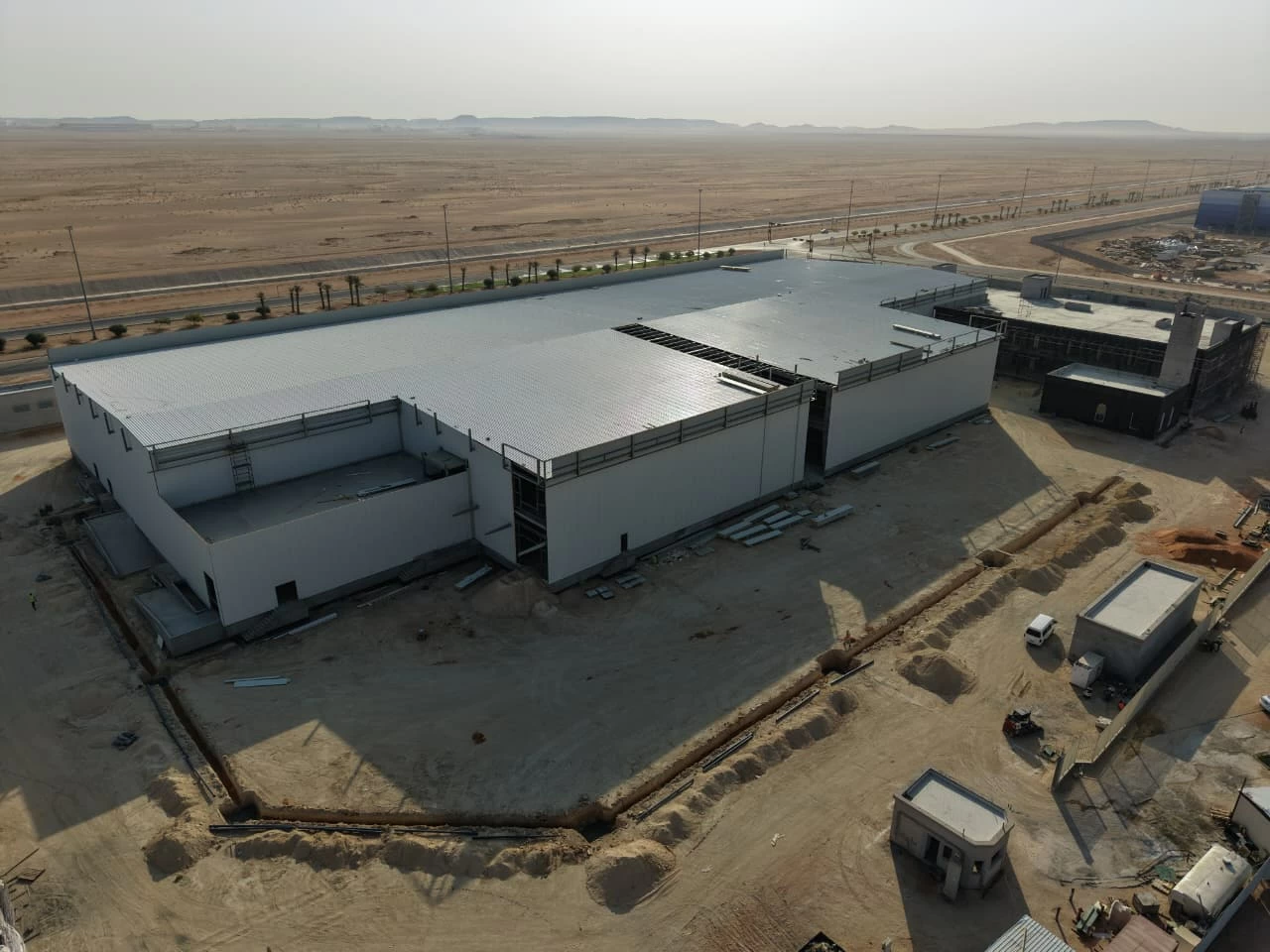
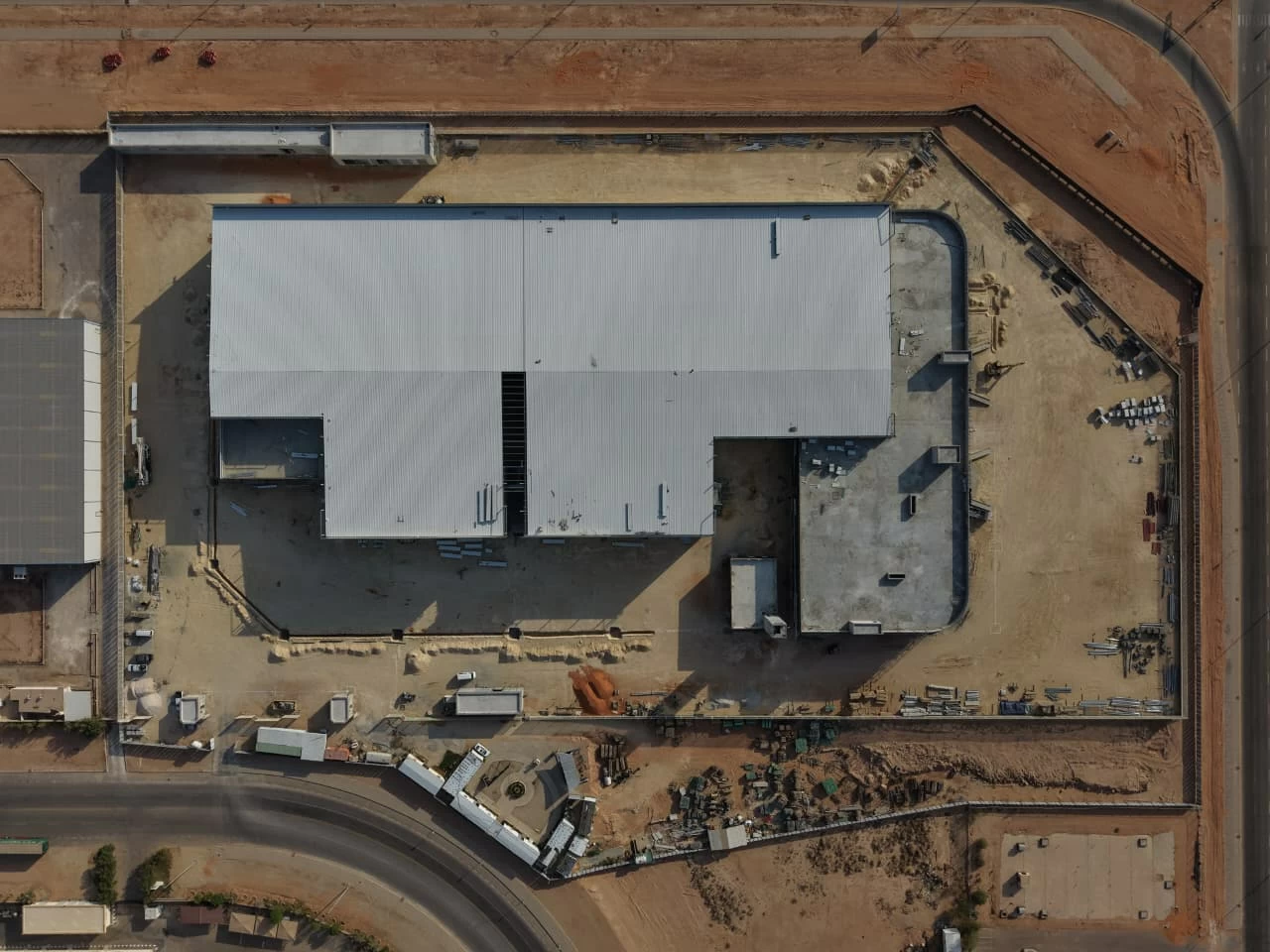
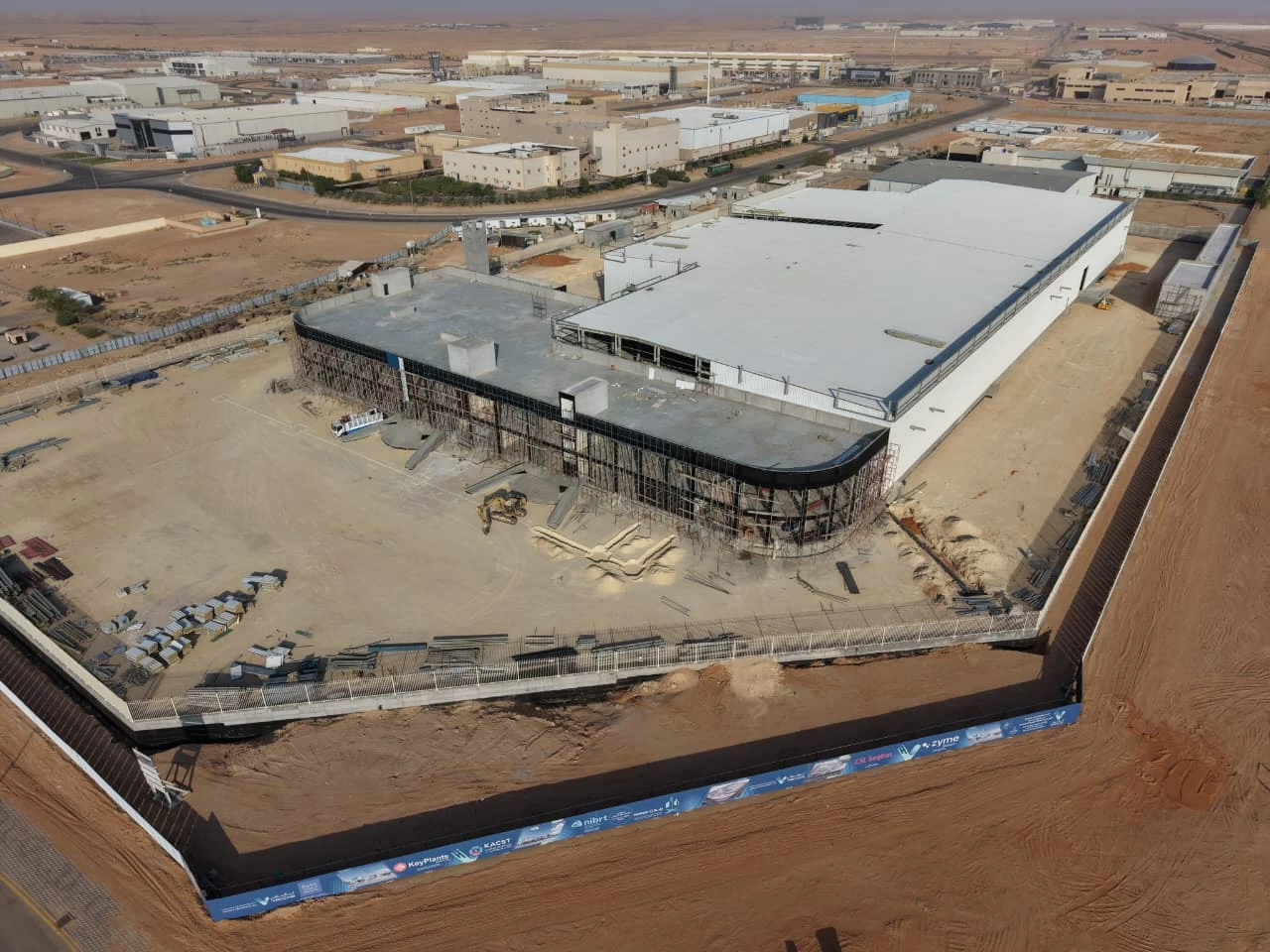
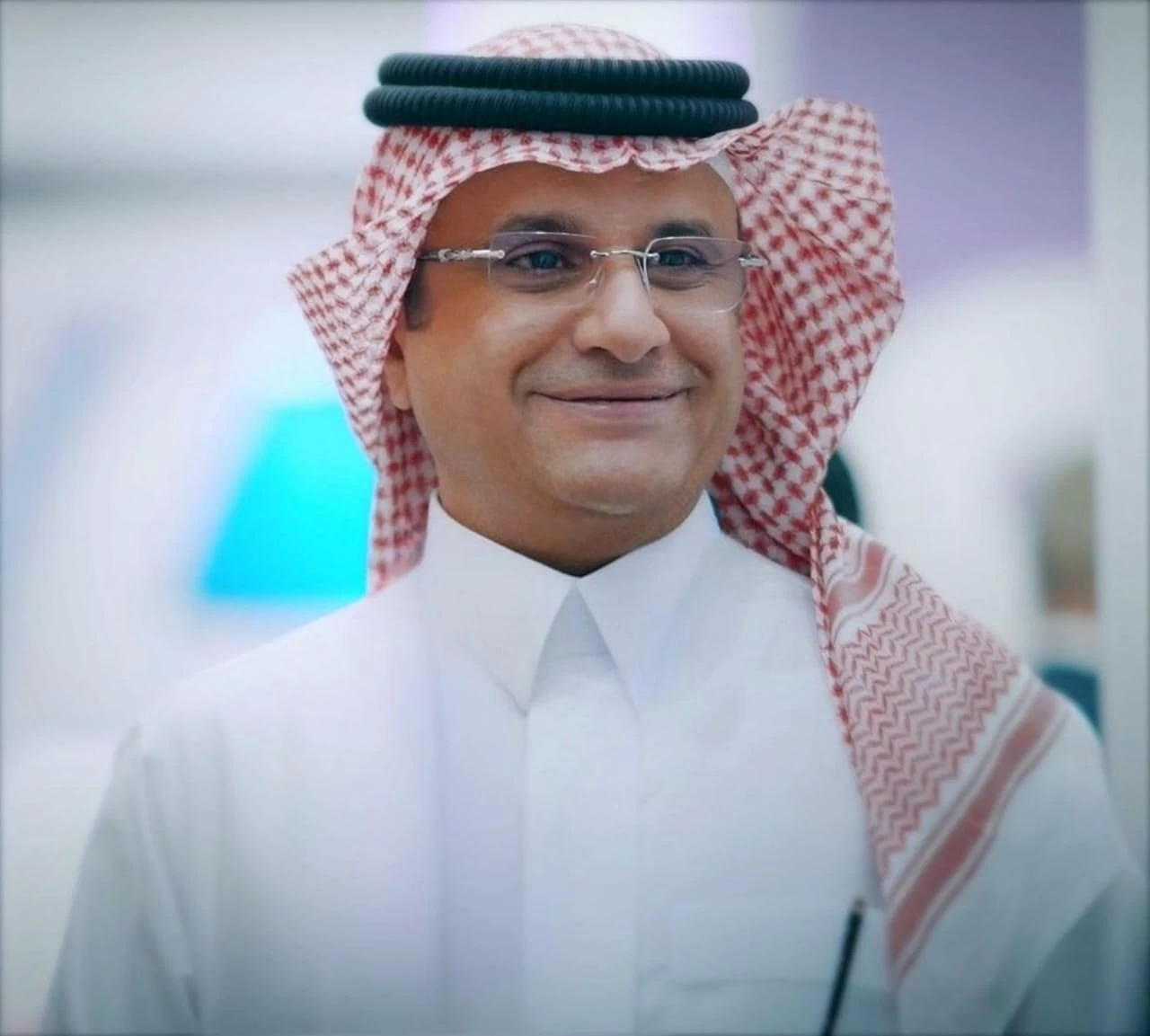
كشف رئيس مجموعة توطين الصناعات الطبية الحيوية الدكتور خالد الموسى أن مشروع توطين صناعة اللقاحات البشرية في المملكة يسير نحو مراحله النهائية، إذ بلغت نسبة الإنجاز في الأعمال الإنشائية نحو 80%، استعداداً لبدء الإنتاج خلال العام القادم. وأوضح أن المشروع يستهدف تصنيع ما يصل إلى 80% من اللقاحات الأساسية التي تحتاجها المملكة، بما يعزز الأمن الدوائي ويقلل الاعتماد على الاستيراد.
تصنيع لقاح الإنفلونزا الموسمية
وبيّن الموسى أن المشروع سيعمل على توطين مجموعة واسعة من اللقاحات، تشمل لقاحات المكورات السحائية، والمكورات الرئوية، والروتا، والتهاب الكبد A وB، والجدري المائي، وفيروس الورم الحليمي البشري (HPV)، إضافة إلى لقاحات مركبة للأطفال، وذلك وفق مراحل وخطط تنظيمية معتمدة.
وأشار إلى أن من أوائل المنتجات التي سيتم تصنيعها محلياً لقاح الإنفلونزا الموسمية بتقنية الخلايا (Cell-Based)، والذي جرى تسجيله لأول مرة في المملكة لدى الهيئة العامة للغذاء والدواء، وهو مسجل أيضاً لدى إدارة الغذاء والدواء الأمريكية، تمهيداً لتوطين إنتاجه بالتعاون مع شريك عالمي متخصص.
وأكد الموسى أن المشروع سيوفر نحو 250 وظيفة في مرحلة التعبئة والإنتاج، مع التركيز على تأهيل وتمكين الكفاءات السعودية ونقل المعرفة والخبرات العالمية إليها، بما يسهم في بناء كوادر وطنية متخصصة في صناعة اللقاحات والتقنية الحيوية.
مستقبل صناعة اللقاحات
ويُنفَّذ المشروع الوطني الإستراتيجي بقيادة شركة لقاح للصناعة (VIC)، من خلال إنشاء أكبر مصنع للقاحات في الشرق الأوسط والأول من نوعه في المملكة، بمدينة سدير للصناعة والأعمال، على مساحة 42 ألف متر مربع، انسجاماً مع الإستراتيجية الوطنية للتقنية الحيوية ومستهدفات رؤية السعودية 2030.
وختم الموسى بأن مستقبل صناعة اللقاحات في المملكة يتجاوز التصنيع المحلي إلى نقل وتوطين التقنية، وتطوير البحث والابتكار، وتعزيز الاستعداد للأوبئة، وصولاً إلى صناعة وطنية قادرة على تلبية الاحتياج المحلي والتوسع نحو الأسواق الإقليمية، مؤكداً أن المملكة تمتلك فرصة كبيرة لتكون مركزاً إقليمياً رائداً في الصناعات الحيوية المتقدمة.
The head of the Biomedical Industries Localization Group, Dr. Khalid Al-Mousa, revealed that the project to localize the production of human vaccines in the Kingdom is progressing towards its final stages, with the construction work achieving about 80% completion, in preparation for starting production next year. He explained that the project aims to manufacture up to 80% of the essential vaccines needed by the Kingdom, which enhances pharmaceutical security and reduces reliance on imports.
Manufacturing Seasonal Influenza Vaccine
Al-Mousa indicated that the project will work on localizing a wide range of vaccines, including meningococcal, pneumococcal, rotavirus, hepatitis A and B, varicella, and human papillomavirus (HPV) vaccines, in addition to combination vaccines for children, according to approved phases and organizational plans.
He pointed out that one of the first products to be manufactured locally will be the seasonal influenza vaccine using cell-based technology, which has been registered for the first time in the Kingdom with the Saudi Food and Drug Authority, and is also registered with the U.S. Food and Drug Administration, in preparation for localizing its production in collaboration with a specialized global partner.
Al-Mousa confirmed that the project will provide about 250 jobs in the packaging and production phase, focusing on qualifying and empowering Saudi talents and transferring global knowledge and expertise to them, contributing to building a national workforce specialized in vaccine production and biotechnology.
The Future of Vaccine Production
The national strategic project is being implemented under the leadership of Vaccine Industry Company (VIC), through the establishment of the largest vaccine factory in the Middle East and the first of its kind in the Kingdom, in the city of Sudair for Industry and Business, covering an area of 42,000 square meters, in line with the national biotechnology strategy and the targets of Saudi Vision 2030.
Al-Mousa concluded that the future of vaccine production in the Kingdom goes beyond local manufacturing to include technology transfer and localization, developing research and innovation, and enhancing preparedness for pandemics, aiming for a national industry capable of meeting local needs and expanding into regional markets, emphasizing that the Kingdom has a significant opportunity to become a leading regional hub in advanced biotechnology industries.