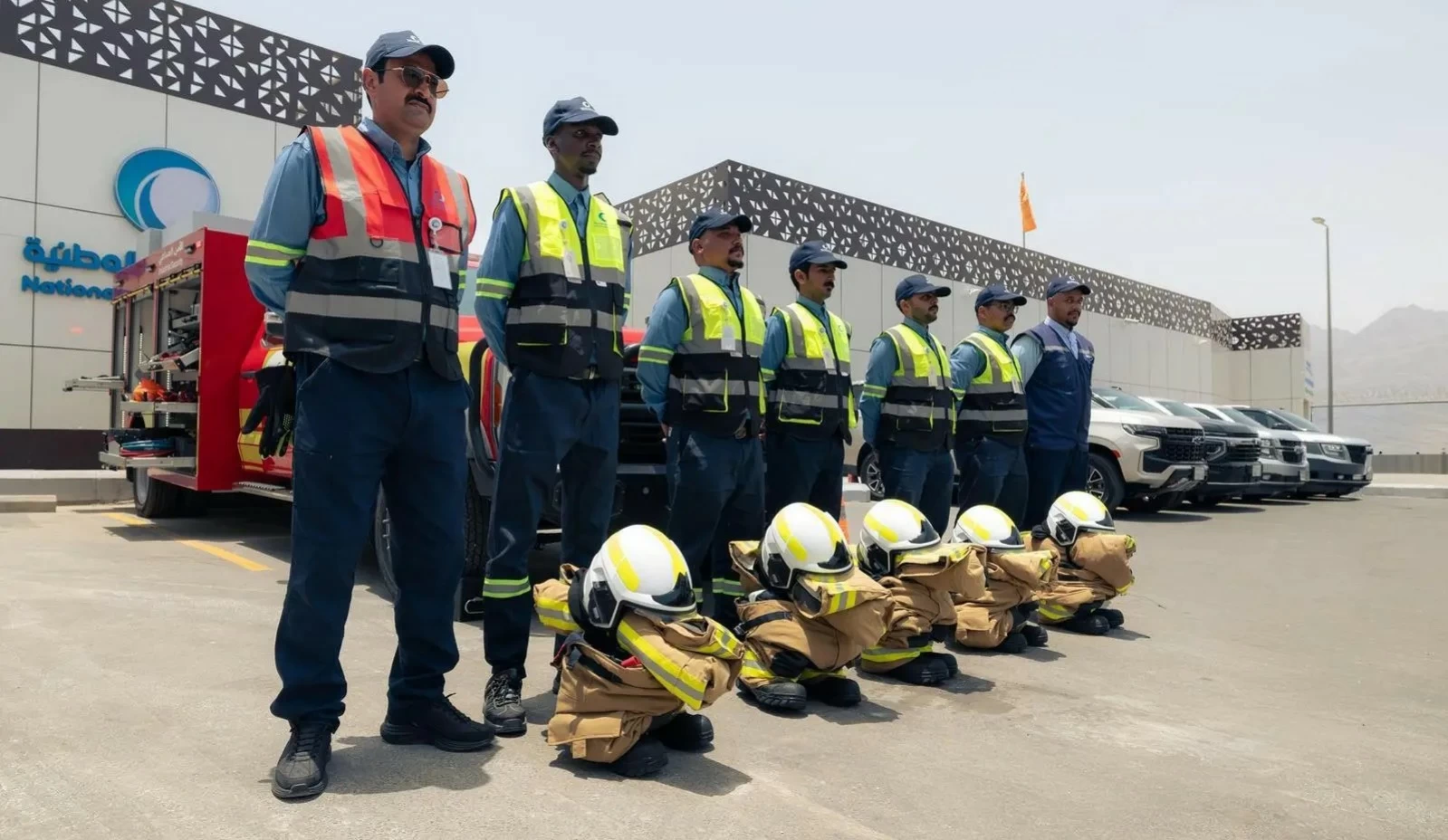
تفقد وزير البيئة والمياه والزراعة المهندس عبدالرحمن بن عبدالمحسن الفضلي، ميدانياً، جاهزية منظومة البيئة والمياه والزراعة في مكة المكرمة والمشاعر المقدسة لتقديم أفضل الخدمات لضيوف الرحمن خلال موسم حج 1447هـ.
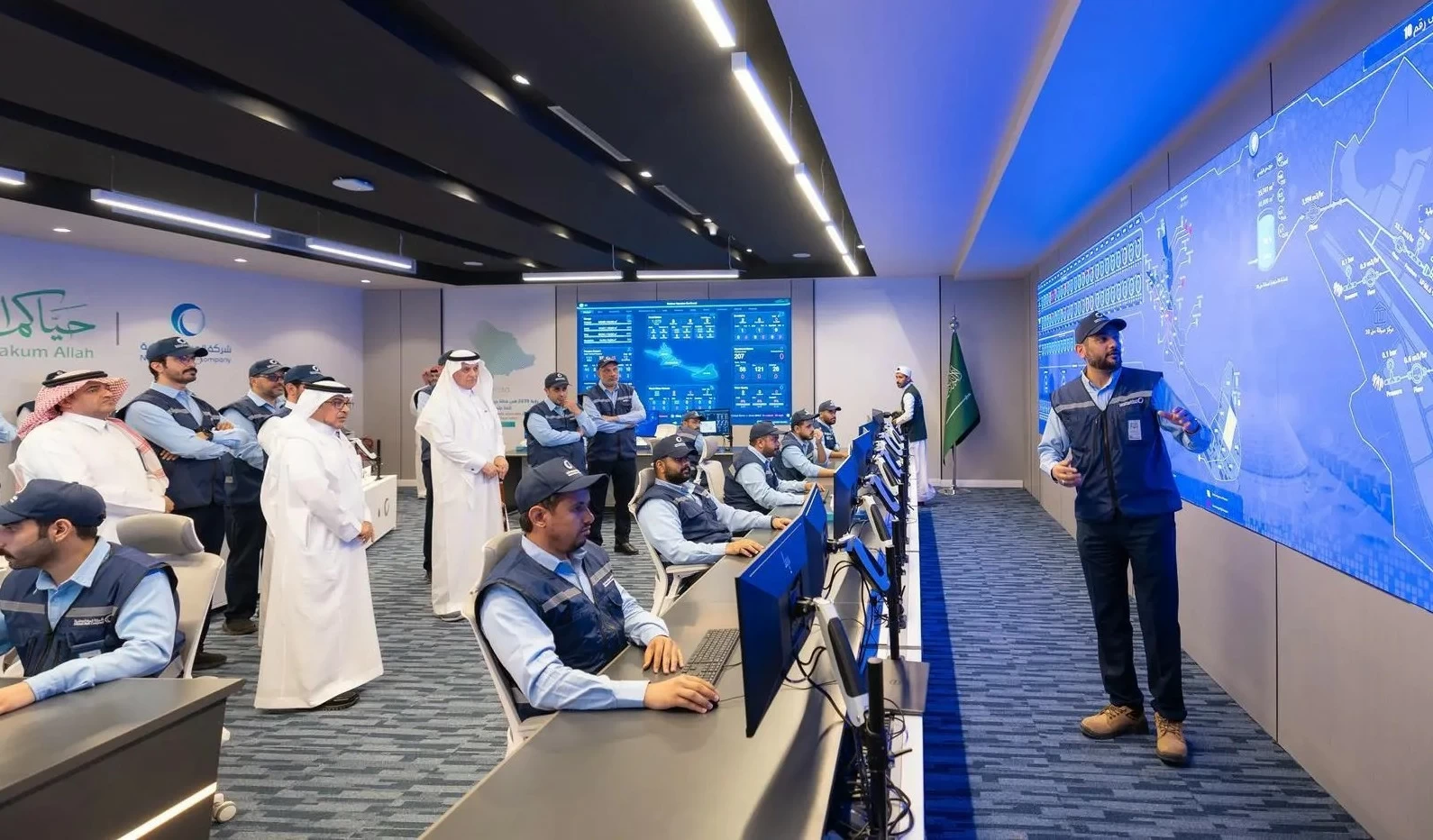
وتفقد المهندس الفضلي خلال الجولة التي رافقه فيها عدد من قيادات قطاعات المنظومة، جاهزية مشاريع المياه، ومستوى الاستعدادات الفنية والتشغيلية لحج هذا العام، بما يشمل الإنتاج والنقل والخزن والتوزيع، ضمن جهود تهدف إلى تأمين الإمداد المائي لضيوف الرحمن، والارتقاء بجودة الخدمات المقدمة لهم، إذ وقف ميدانياً على مرافق الخزن الإستراتيجي في «المغمّس»، ومحطات الضخ، وشبكات التوزيع، وصولاً إلى محطات المعالجة، فضلاً عن خطط الإمداد الإضافي وخطط الطوارئ، إضافةً إلى مركز التشغيل والصيانة؛ أحد مراكز التشغيل والصيانة من أصل 27 مركزاً في المشاعر المقدسة، والتي تعمل على مباشرة الأحداث التشغيلية، والاستجابة للبلاغات من خلال الفرق الميدانية المؤهلة، كما زودت المراكز بأنظمة تقنية بالمواءمة مع مركز المراقبة والتحكم في مشعر منى، الذي يعمل بدوره على متابعة العمليات التشغيلية ومراقبة الأداء التشغيلي على مدار الساعة، بما في ذلك الخزن المائي وعمليات الضخ، وقياس مستوى الضغط في الشبكات، مما يضمن جودة الخدمات المقدمة لضيوف الرحمن.
ووقف ميدانياً على سير الأعمال في المختبر المتنقل وتقنيات «الدرونز» و«ROV» التابعة للمركز الوطني للالتزام البيئي، والجهود المكثفة باستخدام الأقمار الصناعية لرصد التحديات البيئية بسرعة فائقة، وتمكين فرق الطوارئ البيئية من التوجه إلى المواقع المتضررة بسرعة، واستخدام التقنية في الرقابة على جميع الأوساط البيئية المحيطة بالمشاعر المقدسة؛ لضمان الامتثال البيئي، بما يعكس التزام المملكة بتقديم بيئة صحية وآمنة خلال موسم الحج.
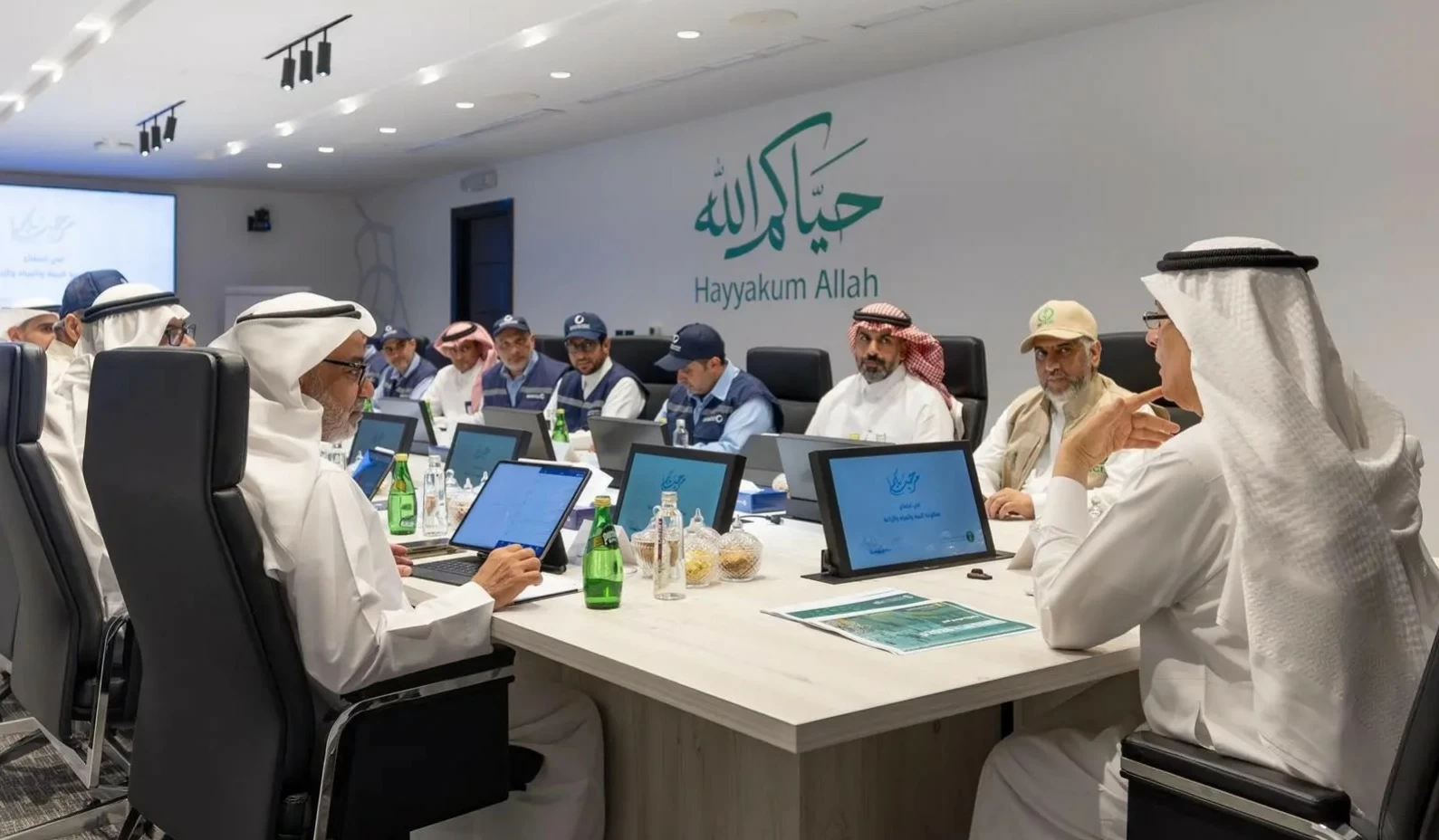
ورأس الفضلي اجتماعاً في مقر شركة المياه الوطنية بمشعر منى لمتابعة التنسيق بين جهات المنظومة، واستعراض الخطط التشغيلية لضمان توفر الإمدادات المائية، وسلامة الأغذية، وجودة الهواء، وإدارة النفايات، ومراقبة الامتثال البيئي، ومكافحة الآفات؛ مؤكداً اكتمال استعدادات كافة جهات المنظومة وجاهزيتها لتوفير أفضل الخدمات لضيوف بيت الله الحرام، وتمكينهم من أداء مناسكهم بيسر وطمأنينة.
واطّلع خلال الاجتماع على الخطة التشغيلية لشركة المياه الوطنية، التي يعمل على تنفيذها أكثر من 2400 موظف، لضمان الضخ المستمر على مدار الساعة خلال أيام الموسم، بمتوسط يومي يتجاوز 760 ألف متر مكعب، وقد تصل الكميات إلى مليون متر مكعب يومي عرفة وعيد الأضحى المبارك، إضافة إلى إنجاز 12 مشروعاً للبنية التحتية بأطوال تتجاوز 24 ألف متر طولي، وإجراء 4000 فحص مخبري يومياً.
وفي جانب تعزيز الأمن الغذائي، أكدت الهيئة العامة للأمن الغذائي وفرة مخزونات الدقيق بمنطقتي مكة المكرمة والمدينة المنورة بأكثر من 500 ألف كيس (وزن 45 كجم)، إضافة إلى وجود مخزونات احتياطية من القمح بأكثر من 600 ألف طن لدى شركات المطاحن والشركة الوطنية لإمدادات الحبوب، إضافة إلى مخزونات احتياطية من القمح بمناطق المملكة الأخرى تبلغ أكثر من 900 ألف طن جاهزة للضخ عند الحاجة، بجانب بواخر القمح المجدول وصولها لميناء جدة الإسلامي وميناء ينبع التجاري.
واستعرض المركز الوطني لإدارة النفايات (موان) جهوده خلال موسم حج هذا العام، مؤكداً اعتماده دليل «الضوابط والأدلة الفنية لإدارة النفايات في موسم الحج»، والتنسيق مع وزارة الحج والعمرة لتعميم وثيقة «اشتراطات إدارة النفايات داخل المخيمات خلال موسم الحج» على مقدمي خدمات الحج لتطبيقها خلال هذا الموسم؛ وذلك بهدف رفع كفاءة إدارة النفايات في المشاعر المقدسة، كما عمل المركز على رفع الجاهزية النظامية لدى المنشآت فيما يخص إدارة نفايات المسالخ بمكة المكرمة، ومن ذلك إعداد آلية لمنح التراخيص الموسمية لنشاط الجمع والنقل، وكذلك الإعداد لتطبيق وثيقة النقل الإلكترونية على كامل مسار نفايات الهدي والأضاحي، وضمان الجاهزية النظامية والفنية للخلية الهندسية الثانية في مردم «العكيشية» المخصصة للتخلص الآمن من النفايات الصلبة للمسالخ الأهلية خلال موسم الحج وذلك بالتعاون مع الشركة الوطنية للخدمات الزراعية، كما تمت مراجعة الجاهزية النظامية والفنية لإدارة النفايات بمشروع (أضاحي) الممثلة في محطة الترميد للنفايات الصلبة، ووحدة المعالجة وإعادة التدوير لما يزيد على 25 ألف متر مكعب من النفايات السائلة خلال موسم الحج 1447هـ، مما يعد امتداداً لجهود «موان» للتوسع في المعالجة البيئية للنفايات السائلة الناتجة عن الهدي والأضاحي التي بدأها المركز منذ موسم حج 1444هـ.
وأكد «موان» أهمية المشروع الذي سيدشن من قبل مسلخ أميرال (مدينة الأنعام النموذجية) الذي سيسهم في معالجة نفايات المسالخ الصلبة بطاقة تصل إلى 2000 طن سنوياً، و500 طن سنوياً لنفايات الدم، إذ يستوفي المشروع جميع الاشتراطات النظامية والفنية المعتمدة من المركز.
من جانبها، استعرضت الشركة الوطنية للخدمات الزراعية جهودها خلال هذا الموسم، والمتمثلة في التأكد من جاهزية الأسواق والمسالخ الأهلية، وجاهزية الخلية الهندسية في مردم «العكيشية» للتخلص الآمن من النفايات الصلبة للمسالخ خلال موسم الحج، وإصدار أذونات الاستيراد إلكترونياً للإرساليات النباتية والحيوانية بعد التأكد من مطابقتها للشروط الصحية، بجانب تقديم الخدمات المحجرية وتشمل: التحقق من المستندات والشهادات الصحية، والكشف الظاهري، والتشخيص والتحليل المخبري للعينات، ومن ثم فسح الإرساليات لتغطية الطلب المحلي في موسم الحج والإرساليات الخاصة بمشروع المملكة للإفادة من الهدي والأضاحي، مؤكدةً فسح أكثر من 1.084 مليون رأس من الماشية (أغنام، أبقار، إبل) منذ بداية الموسم حتى اليوم في المحجر الحيواني والنباتي بميناء جدة الإسلامي، إذ يعمل أكثر من 80 كادراً على مدار الساعة في عدد من المحاجر الرئيسية، وتشمل: محجر ميناء جدة الإسلامي، ومحجر مطار الملك عبدالعزيز الدولي، ومحجر ميناء الملك عبدالله برابغ، ومحجر مطار الأمير محمد بن عبدالعزيز، إلى جانب عدد من المحاجر المساندة مثل محجر «الخُمرة» بجدة.
بدوره، كثّف المركز الوطني للوقاية من الآفات النباتية والأمراض الحيوانية ومكافحتها (وقاء) استعداداته وأعماله الميدانية في منطقتي مكة المكرمة والمدينة المنورة عبر 189 كادراً بواقع 9 فرق للطوارئ؛ تعزيزاً لسلامة ضيوف الرحمن وضماناً للصحة الحيوانية والنباتية بما يحقق المحافظة على الصحة العامة، إذ أكمل «وقاء» في منطقة مكة المكرمة فحص أكثر من 82 ألفاً من الأغنام، و534 من الأبقار، وأكثر من مليوني طائر من الدواجن. وفي سياق مكافحة نواقل الأمراض، نفذت الفرق الميدانية 786 جولة للتقصي اليرقي والحشري حتى الآن، و696 جولة للمكافحة، فيما بلغ عدد المواقع المستكشفة 139 موقعاً، والعينات المرسلة 132 عينة من المواقع المستكشفة، إضافة إلى مراقبة أسواق النفع التي بلغ عدد الجولات فيها 1885 جولة، وتنفيذ ما يصل إلى 1530 جولة إرشادية لتقديم التوعية والتثقيف في أسواق النفع العام.
وفي منطقة المدينة المنورة، تركزت أعمال «وقاء» على سوق الأنعام والمسالخ، بتنفيذ 125 جولة رقابية في أسواق الأنعام، وفحص 53311 من الأغنام الواردة، و415 من الأبقار الواردة، بجانب تنفيذ 264 جولة على المسالخ، وأكثر من 1000 جولة لمكافحة الحشرات ونواقل الأمراض، إذ يأتي هذا الحراك الميداني تحت شعار «حياكم الله»، تأكيداً على التزام مركز «وقاء» بتسخير كافة إمكاناته البشرية والتقنية لضمان بيئة صحية وآمنة لضيوف بيت الله الحرام وزوار المسجد النبوي الشريف.
وأكمل المركز الوطني للأرصاد استعداداته الفنية والتقنية والبشرية لتقديم خدمات أرصادية دقيقة وشاملة خلال موسم الحج، إذ حقق نسبة تغطية بلغت 100% لأجواء المشاعر المقدسة، إضافة إلى المنافذ الحيوية لخدمة ضيوف الرحمن، والتي تشمل: المنافذ الجوية المتمثلة في مطارات جدة، والمدينة المنورة، والطائف، وينبع، والمنافذ البحرية في ميناء جدة الإسلامي، وميناء ينبع، والمنافذ البرية (المواقيت)، وتتضمن: ذات عرق، والجحفة، وذو الحليفة، ويلملم، وقرن المنازل.
وسخّر المركز منظومة الرصد المتكاملة لتعزيز سلامة الأرواح والممتلكات، ورفع الجاهزية التشغيلية، والمتمثلة في شبكة رصد ميدانية شاملة تضم 92 وحدة رصد موزعة بدقة، تشمل محطات مأهولة، ونظم رادارات لمراقبة الطقس، ونظم رصد طبقات الجو العليا، إضافة إلى الرصد عبر الأقمار الاصطناعية.
وفي مكة المكرمة والمشاعر المقدسة، فعّل المركز منظومة رصد متكاملة تضم 15 محطة أوتوماتيكية، و3 محطات مأهولة، إلى جانب نظام متخصص لرصد طبقات الجو العليا، بما يعزز دقة المتابعة الجوية على مدار الساعة، وعزز قدراته التشغيلية في جدة والمدينة المنورة عبر 41 محطة أوتوماتيكية، و4 محطات متنقلة، إضافة إلى رادار دوبلر ونظم رصد متقدمة، لدعم أعمال المراقبة والتحليل والتنبؤات الجوية بدقة وكفاءة عالية، وفي الطائف وينبع، شملت منظومة الرصد 11 محطة أوتوماتيكية، ومحطتين متنقلتين، ومحطتين مأهولتين؛ بهدف تعزيز التغطية الجوية ورفع مستوى الجاهزية في المواقع الحيوية المرتبطة بخدمة ضيوف الرحمن.
كما اطّلع على استعدادات فرعي الوزارة بمكة المكرمة والمدينة المنورة، التي تشمل الإشراف والرقابة على المسالخ الأهلية، وأسواق النفع العام، والخدمات اللوجستية بالعاصمة المقدسة والمدينة المنورة، إضافة إلى جهود الاستجابة للبلاغات والطوارئ والتنسيق مع الجهات ذات العلاقة.
The Minister of Environment, Water, and Agriculture, Engineer Abdulrahman bin Abdulmohsen Al-Fadli, conducted a field visit to assess the readiness of the environment, water, and agriculture system in Mecca and the holy sites to provide the best services to the guests of Allah during the Hajj season of 1447 AH.
During the tour, which was accompanied by several leaders from the sectors of the system, Engineer Al-Fadli inspected the readiness of water projects and the level of technical and operational preparations for this year's Hajj, including production, transportation, storage, and distribution, as part of efforts aimed at securing water supply for the guests of Allah and enhancing the quality of services provided to them. He conducted a field visit to the strategic storage facilities in "Al-Mughamis," pumping stations, distribution networks, and treatment plants, in addition to additional supply plans and emergency plans, as well as the operation and maintenance center; one of 27 operation and maintenance centers in the holy sites, which work on managing operational events and responding to reports through qualified field teams. The centers are equipped with technological systems in coordination with the monitoring and control center in Mina, which in turn monitors operational processes and operational performance around the clock, including water storage and pumping operations, and measuring pressure levels in the networks, ensuring the quality of services provided to the guests of Allah.
He also conducted a field visit to the mobile laboratory and the "drones" and "ROV" technologies affiliated with the National Center for Environmental Compliance, and the intensive efforts using satellites to quickly monitor environmental challenges, enabling environmental emergency teams to quickly reach affected sites, and utilizing technology to monitor all environmental media surrounding the holy sites; to ensure environmental compliance, reflecting the Kingdom's commitment to providing a healthy and safe environment during the Hajj season.
Al-Fadli chaired a meeting at the headquarters of the National Water Company in Mina to follow up on coordination among the system entities and review operational plans to ensure the availability of water supplies, food safety, air quality, waste management, monitoring environmental compliance, and pest control; confirming the readiness of all system entities to provide the best services to the guests of the Sacred House of Allah, enabling them to perform their rituals with ease and reassurance.
During the meeting, he reviewed the operational plan of the National Water Company, which is being implemented by more than 2,400 employees, to ensure continuous pumping around the clock during the season days, with a daily average exceeding 760,000 cubic meters, and quantities may reach one million cubic meters on the days of Arafah and Eid al-Adha. Additionally, 12 infrastructure projects have been completed with lengths exceeding 24,000 linear meters, and 4,000 laboratory tests are conducted daily.
In terms of enhancing food security, the General Authority for Food Security confirmed the abundance of flour stocks in the Mecca and Medina regions with more than 500,000 bags (weighing 45 kg), in addition to the existence of reserve stocks of wheat exceeding 600,000 tons with milling companies and the National Grain Supply Company, along with reserve stocks of wheat in other regions of the Kingdom amounting to more than 900,000 tons ready for pumping when needed, in addition to scheduled wheat shipments arriving at the Islamic Port of Jeddah and the commercial port of Yanbu.
The National Center for Waste Management (Mwan) reviewed its efforts during this year's Hajj season, confirming its adoption of the "Regulations and Technical Guidelines for Waste Management During Hajj" and coordination with the Ministry of Hajj and Umrah to generalize the document "Waste Management Requirements Inside Camps During Hajj" to Hajj service providers for implementation during this season; aiming to enhance the efficiency of waste management in the holy sites. The center also worked to raise the regulatory readiness of establishments regarding the management of slaughterhouse waste in Mecca, including preparing a mechanism for granting seasonal licenses for collection and transportation activities, as well as preparing to implement the electronic transportation document along the entire route of waste from the sacrificial animals, ensuring regulatory and technical readiness for the second engineering cell in the "Al-Akeeshiah" landfill designated for the safe disposal of solid waste from private slaughterhouses during the Hajj season in cooperation with the National Agricultural Services Company. Additionally, the regulatory and technical readiness for waste management in the (Udhiyah) project was reviewed, represented in the incineration station for solid waste and the treatment and recycling unit for more than 25,000 cubic meters of liquid waste during the Hajj season of 1447 AH, which extends the efforts of "Mwan" to expand the environmental treatment of liquid waste resulting from the sacrificial animals that the center began since the Hajj season of 1444 AH.
"Mwan" emphasized the importance of the project that will be launched by the Amir Al-Slah Slaughterhouse (Model Livestock City), which will contribute to processing solid slaughterhouse waste with a capacity of up to 2,000 tons annually, and 500 tons annually for blood waste, as the project meets all regulatory and technical requirements approved by the center.
For its part, the National Agricultural Services Company reviewed its efforts during this season, which include ensuring the readiness of markets and private slaughterhouses, and the readiness of the engineering cell in the "Al-Akeeshiah" landfill for the safe disposal of solid waste from slaughterhouses during the Hajj season, and issuing import permits electronically for plant and animal shipments after ensuring their compliance with health conditions, in addition to providing quarantine services, which include: verifying documents and health certificates, visual inspection, diagnosis, and laboratory analysis of samples, and then clearing shipments to meet local demand during the Hajj season and shipments related to the Kingdom's project for the benefit of sacrificial animals, confirming the clearance of more than 1.084 million heads of livestock (sheep, cattle, camels) since the beginning of the season until today at the animal and plant quarantine at the Islamic Port of Jeddah, where more than 80 personnel work around the clock at several main quarantine sites, including: the Islamic Port of Jeddah, King Abdulaziz International Airport quarantine, King Abdullah Port in Rabigh, and Prince Mohammed bin Abdulaziz Airport quarantine, along with several supporting quarantine sites such as the "Khumerah" quarantine in Jeddah.
In turn, the National Center for Plant and Animal Pest Prevention and Control (Waqaa) intensified its preparations and fieldwork in the Mecca and Medina regions through 189 personnel in 9 emergency teams; enhancing the safety of the guests of Allah and ensuring animal and plant health to maintain public health. "Waqaa" completed in the Mecca region the inspection of more than 82,000 sheep, 534 cattle, and more than two million poultry. In the context of combating disease vectors, field teams have conducted 786 rounds for larval and insect surveys so far, and 696 rounds for control, while the number of explored sites reached 139, and 132 samples were sent from the explored sites, in addition to monitoring benefit markets, which included 1,885 rounds, and implementing up to 1,530 advisory rounds to provide awareness and education in general benefit markets.
In the Medina region, "Waqaa" focused its efforts on the livestock market and slaughterhouses, conducting 125 monitoring rounds in livestock markets, inspecting 53,311 incoming sheep, and 415 incoming cattle, in addition to conducting 264 rounds on slaughterhouses, and more than 1,000 rounds for insect and disease vector control. This field activity comes under the slogan "Welcome," confirming the commitment of the "Waqaa" center to harness all its human and technical resources to ensure a healthy and safe environment for the guests of the Sacred House of Allah and visitors to the Prophet's Mosque.
The National Center of Meteorology has completed its technical, technical, and human preparations to provide accurate and comprehensive meteorological services during the Hajj season, achieving a coverage rate of 100% for the weather in the holy sites, in addition to vital outlets serving the guests of Allah, which include: air outlets represented in the airports of Jeddah, Medina, Taif, and Yanbu, and marine outlets at the Islamic Port of Jeddah and the port of Yanbu, and land outlets (miqat), including: Dhul-Hulaifah, Al-Juhfa, Dhul-Hulayfah, Yalamlam, and Qarn Al-Manazil.
The center has harnessed an integrated monitoring system to enhance the safety of lives and property, and raise operational readiness, represented in a comprehensive field monitoring network that includes 92 monitoring units distributed accurately, including manned stations, radar systems for weather monitoring, and upper atmospheric monitoring systems, in addition to satellite monitoring.
In Mecca and the holy sites, the center activated an integrated monitoring system that includes 15 automatic stations and 3 manned stations, along with a specialized system for monitoring upper atmospheric layers, enhancing the accuracy of air monitoring around the clock. It has strengthened its operational capabilities in Jeddah and Medina through 41 automatic stations and 4 mobile stations, in addition to a Doppler radar and advanced monitoring systems, to support monitoring, analysis, and weather forecasting with high accuracy and efficiency. In Taif and Yanbu, the monitoring system included 11 automatic stations, 2 mobile stations, and 2 manned stations; aimed at enhancing air coverage and raising the level of readiness in vital locations related to serving the guests of Allah.
It also reviewed the preparations of the ministry's branches in Mecca and Medina, which include supervision and monitoring of private slaughterhouses, general benefit markets, and logistical services in the holy capital and Medina, in addition to efforts in responding to reports and emergencies and coordinating with relevant authorities.