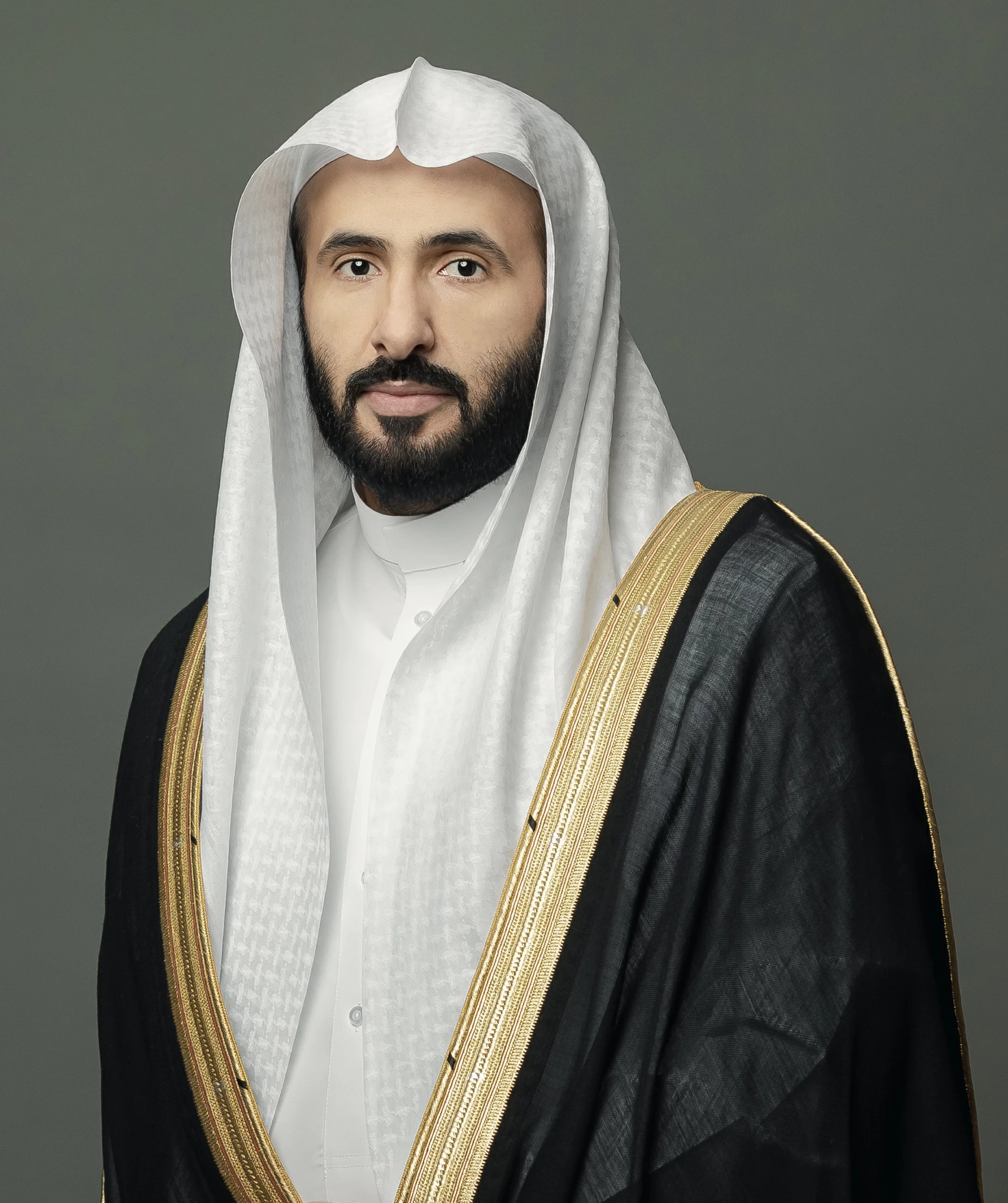
رفع وزير العدل الدكتور وليد بن محمد الصمعاني التهنئة لمقام خادم الحرمين الشريفين الملك سلمان بن عبدالعزيز آل سعود، وولي العهد رئيس مجلس الوزراء الأمير محمد بن سلمان بن عبدالعزيز آل سعود، بمناسبة صدور التقرير السنوي لرؤية المملكة 2030 لعام 2025، وما عكسه من تقدم في مستهدفاتها، وأثرٍ متنامٍ على الاقتصاد والمجتمع.
وأكد وزير العدل أن ما تحقق في القطاع العدلي يأتي امتدادًا للدعم الكريم من خادم الحرمين الشريفين، والدعم والمتابعة المستمرة من ولي العهد، التي أسهمت في تطوير الإجراءات العدلية، ورفع كفاءتها، وتعزيز موثوقيتها؛ بما يعكس مستوى النضج المؤسسي الذي مكّن القطاع من تعظيم أثر خدماته، وترسيخ دوره في تمكين الأفراد، ودعم بيئة الأعمال، وتعزيز تنافسية الاقتصاد الوطني.
وأشار إلى أن التحول في القطاع العدلي ارتكز على إعادة تصميم الإجراءات، وتيسير رحلة المستفيد، وتوظيف التقنية لرفع كفاءة الأداء؛ حيث بلغت نسبة الخدمات العدلية المقدمة إلكترونيًا 91% عبر أكثر من 140 خدمة، فيما اكتملت رقمنة الإجراءات القضائية وإجراءات التنفيذ بنسبة 100% للأحكام والتبليغات وطلبات التنفيذ.
وأضاف أن 96% من الجلسات القضائية نُفذت عن بُعد، إلى جانب خفض متوسط مدة إصدار الوكالة إلى نحو 5 دقائق، بما يعكس كفاءة الخدمات وسرعة الإنجاز، ويعزز سهولة الوصول إلى العدالة.
وبيّن الوزير الصمعاني أن هذه المنجزات تأتي ضمن منظومة إصلاحات تشريعية وتنظيمية تقودها رؤية المملكة 2030 بقيادة ولي العهد رئيس مجلس الوزراء الأمير محمد بن سلمان بن عبدالعزيز؛ أسهمت في رفع موثوقية التعاملات، وتعزيز البيئة العدلية والتجارية، وهو ما انعكس على تقدم المملكة في مؤشرات التنافسية العالمية.
وأكد أن هذا التطور يعزز تحقيق العدالة من خلال وضوح الإجراءات، وتسريع الفصل في القضايا، وكفاءة إنفاذ الحقوق، وتوسيع نطاق الوقاية من النزاعات.
The Minister of Justice, Dr. Walid bin Mohammed Al-Samaani, extended his congratulations to the Custodian of the Two Holy Mosques, King Salman bin Abdulaziz Al Saud, and to the Crown Prince and Prime Minister, Prince Mohammed bin Salman bin Abdulaziz Al Saud, on the occasion of the issuance of the annual report for the Kingdom's Vision 2030 for the year 2025, which reflects the progress in its targets and the growing impact on the economy and society.
The Minister of Justice affirmed that the achievements in the judicial sector are a continuation of the generous support from the Custodian of the Two Holy Mosques and the ongoing support and follow-up from the Crown Prince, which have contributed to the development of judicial procedures, enhancing their efficiency, and boosting their reliability; reflecting the level of institutional maturity that has enabled the sector to maximize the impact of its services, establish its role in empowering individuals, supporting the business environment, and enhancing the competitiveness of the national economy.
He pointed out that the transformation in the judicial sector was based on redesigning procedures, facilitating the beneficiary's journey, and employing technology to enhance performance efficiency; where the percentage of judicial services provided electronically reached 91% through more than 140 services, while the digitization of judicial procedures and execution procedures was completed at a rate of 100% for rulings, notifications, and execution requests.
He added that 96% of court sessions were conducted remotely, alongside reducing the average time to issue a power of attorney to about 5 minutes, reflecting the efficiency of services and the speed of completion, and enhancing ease of access to justice.
Minister Al-Samaani indicated that these achievements are part of a system of legislative and regulatory reforms led by the Kingdom's Vision 2030 under the leadership of the Crown Prince and Prime Minister, Prince Mohammed bin Salman bin Abdulaziz; which have contributed to enhancing the reliability of transactions and strengthening the judicial and commercial environment, reflected in the Kingdom's advancement in global competitiveness indicators.
He emphasized that this development enhances the realization of justice through the clarity of procedures, speeding up the resolution of cases, the efficiency of enforcing rights, and expanding the scope of dispute prevention.