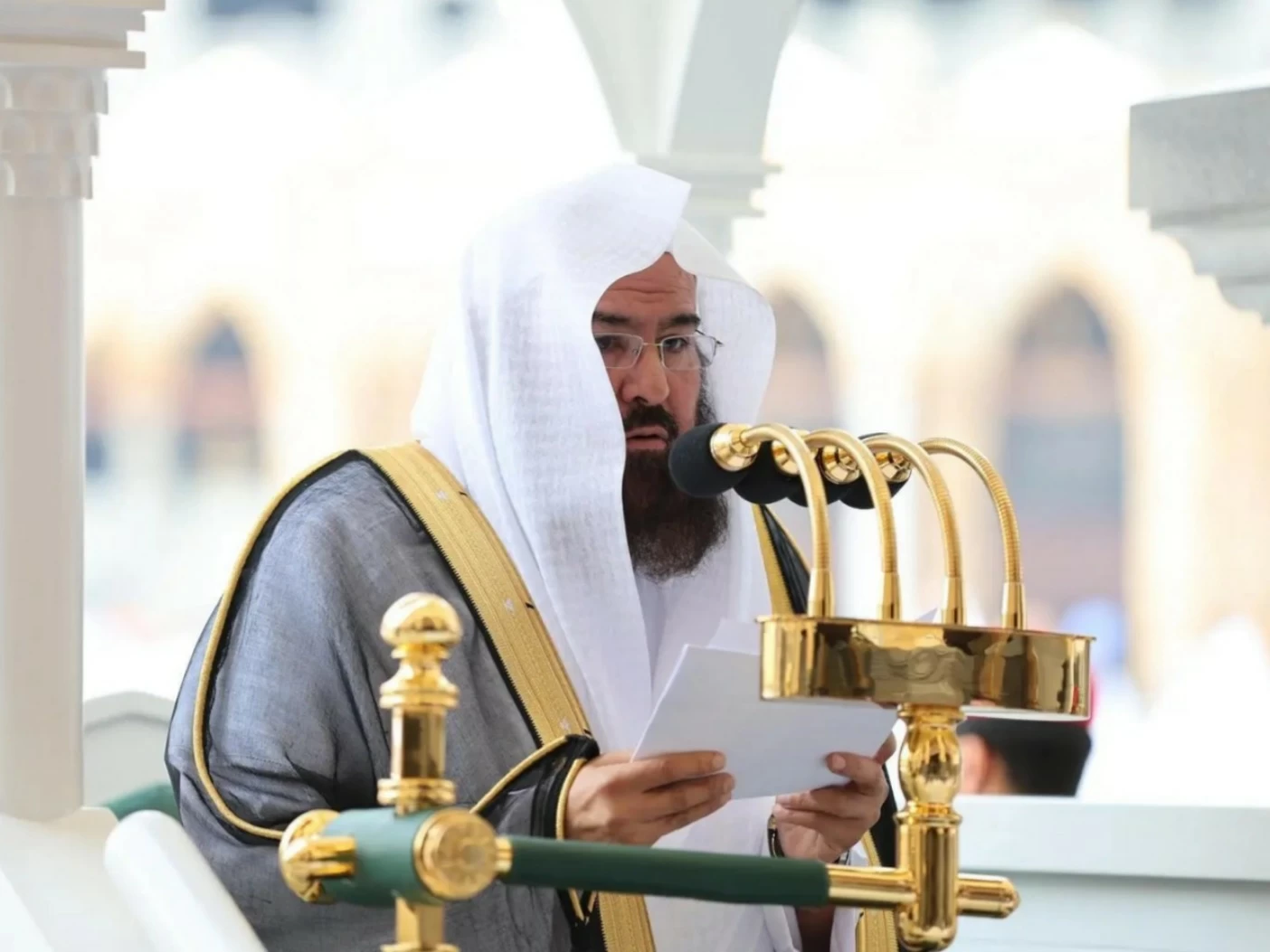
أوصى إمام وخطيب المسجد الحرام الشيخ الدكتور عبدالرحمن بن عبدالعزيز السديس المسلمين بتقوى الله عزّ وجلّ، والمسارعة إلى اغتنام مواسم الخير والطاعات، مؤكدًا أن فريضة الحج من أعظم شعائر الإسلام التي تتجلى فيها معاني الهداية والبركة، في رحاب البيت الحرام الذي جعله الله تعالى: (مُبَارَكًا وَهُدًى لِلْعَالَمِينَ).
وأوضح خلال خطبة الجمعة التي ألقاها في المسجد الحرام أن مكة المكرمة حباها الله بمكانة فريدة، فهي مهبط الوحي، ومبعث الأنبياء، ومهوى أفئدة المسلمين، وفيها أول بيت وضع للناس لعبادة الله، مصداقًا لقوله تعالى: (إِنَّ أَوَّلَ بَيْتٍ وُضِعَ لِلنَّاسِ لَلَّذِي بِبَكَّةَ مُبَارَكًا وَهُدًى لِلْعَالَمِينَ).
وأشار الشيخ السديس إلى أن من أعظم خصائص البيت العتيق ما اختصه الله به من الأمن والطمأنينة، مستشهدًا بقوله سبحانه: (جَعَلَ اللَّهُ الْكَعْبَةَ الْبَيْتَ الْحَرَامَ قِيَامًا لِلنَّاسِ)، وقوله جلّ وعلا: (وَمَنْ دَخَلَهُ كَانَ آمِنًا)، مؤكدًا أن هذا الأمن راسخ بحكم الله إلى يوم القيامة، كما جاء في حديث النبي صلّى الله عليه وسلّم: «إن هذا البلد حرّمه الله يوم خلق السماوات والأرض، فهو حرام بحرمة الله إلى يوم القيامة».
وقال فضيلته: «إن الحج عبادة عظيمة تقوم على تحقيق التوحيد الخالص لله سبحانه وتعالى، امتثالًا لقوله تعالى: (وَإِذْ بَوَّأْنَا لِإِبْرَاهِيمَ مَكَانَ الْبَيْتِ أَنْ لَا تُشْرِكْ بِي شَيْئًا)، والاقتداء بهدي النبي صلّى الله عليه وسلّم»، مبينًا أن من أعظم ثمراته ما ورد في الحديث الصحيح: «من حج لله فلم يرفث ولم يفسق رجع كيوم ولدته أمه».
وشدد فضيلته على ضرورة تعظيم حرمة المكان، واستحضار قدسيته، واجتناب كل ما ينافي مقاصد الشريعة، مؤكدًا أن البيت الحرام أحاطه الله بسياج من الهيبة والتعظيم، فلا يُعتدى فيه، ولا يُفسد، ولا يُروّع فيه آمن، امتثالًا لقول الله تعالى: (وَمَنْ يُرِدْ فِيهِ بِإِلْحَادٍ بِظُلْمٍ نُذِقْهُ مِنْ عَذَابٍ أَلِيمٍ).
كما نبّه الدكتور السديس إلى أهمية وعي الأمة الإسلامية بما تتعرض له من حملات مضللة ودعوات فتنة، مؤكدًا أن المرحلة تتطلب التثبت والحكمة واجتماع الكلمة، وتعزيز الوعي بمكانة الحرمين الشريفين بوصفهما قبلة المسلمين ومهوى أفئدتهم، داعيًا حجاج بيت الله الحرام إلى شكر الله تعالى على نعمة الوصول إلى هذه البقاع المقدسة، والتحلي بحسن الخلق، وجعل ذلك عنوانًا لسلوكهم، مع الحث على التعاون، ومساعدة الضعفاء، والالتزام بالسكينة والرفق، وتجنب التزاحم والتدافع.
وأكد إمام وخطيب المسجد الحرام أهمية الالتزام بالأنظمة والتعليمات المنظمة للحج، ومن ذلك أداء الفريضة بتصريح، تحقيقًا للمقاصد الشرعية في حفظ الأنفس وتنظيم الحشود، مشيدًا بجهود الجهات المعنية في خدمة ضيوف الرحمن، وما تبذله من أعمال تنظيمية وأمنية تسهم في تيسير أداء المناسك، سائلًا الله تعالى أن يحفظ حجاج بيته الحرام، وأن يتم عليهم مناسكهم بالأمن واليسر، وأن يديم على المملكة نعمة الأمن والاستقرار، وأن يوفق ولاة الأمر لكل ما فيه خدمة الإسلام والمسلمين.
كما أوصى إمام وخطيب المسجد النبوي الشيخ الدكتور عبدالباري الثبيتي، المسلمين بتقوى الله تعالى، وطاعة المولى الكريم للفوز بالمغفرة والأجر العظيم، قال تعالى: (يَا أَيُّهَا الَّذِينَ آمَنُوا اتَّقُوا اللَّهَ وَقُولُوا قَوْلًا سَدِيدًا يُصْلِحْ لَكُمْ أَعْمَالَكُمْ وَيَغْفِرْ لَكُمْ ذُنُوبَكُمْ وَمَن يُطِعِ اللَّهَ وَرَسُولَهُ فَقَدْ فَازَ فَوْزًا عَظِيمًا).
وقال فضيلته: إذا تأملت حركة الحياة، رأيت الناس كلهم يسعون، لا يكاد أحد يسكن، ولا يكف أحد عن العمل، ويجلي القرآن هذا المشهد بقوله: (إِنَّ سَعْيَكُمْ لَشَتَّى)، هو سعي واحد في الظاهر للناس، لكنه في الميزان مختلف، إذ تتشابه الأعمال وتفترق المقاصد، فهذا يعمل للدنيا وذاك يعمل للآخرة، وثالث يسعى ولا يدري لم يسعى، فحركة الأيدي واحدة لكن اتجاه القلوب هو الذي يصنع الفارق، إذ تعلو الأعمال بصدق المقاصد.
ومضى فضيلته قائلًا: السعي في الإسلام ليس محصورًا في صلاة أو عبادة ظاهرة، بل هو أوسع من ذلك وأشمل، هو حركة الإنسان كلها، في عمله، وفي بيته، وفي تجارته، وتعليمه، وعلاقاته، وقراءاته، فالمعلم سعي، والتاجر سعي، والطبيب سعي، ورب الأسرة سعي، وكل واحد منهم إما أن يسعى إلى الله، أو يسعى بعيدًا عنه، ومن هنا تتجلى القاعدة التي تضبط هذا الاتساع في السعي بقوله سبحانه: (وَلِكُلٍّ وِجْهَةٌ هُوَ مُوَلِّيهَا).
وبين فضيلته أن العمل قد يتشابه، لكن الذي يرفعه أو يضعه هو الوجهة التي يتجه إليها القلب، في التعليم قد يتعلم اثنان، فيرتفع أحدهما لأنه أراد الإصلاح، ويخسر الآخر لأنه أراد السمعة، وفي التجارة قد يتاجر اثنان، فيبارك لأحدهما لأنه قصد الحلال وخدمة الناس، ويحرم الآخر لأنه جعل غايته مجرد الكسب.
وأشار فضيلته إلى أن على هذا ينقسم السعي إلى سعي حميد، وسعي ضائع، فأما السعي الحميد، فهو الذي امتلأت به الحياة، لكنه اتجه إلى الله، فالعمل الدنيوي بنية صالحة يتحول إلى عبادة، ويبارك أثره ويكبر، فالنوم بنية التقوى طاعة، والعمل بإتقان عبادة، والإنفاق على الأهل قربة، والسعي في قضاء حوائج الناس إحسان، وأما السعي الضائع فهو الذي يكثر فيه التعب، وتغيب عنه النية، وتضيع فيه الوجهة.
وبين إمام وخطيب المسجد النبوي في ختام الخطبة أنه من أراد الآخرة صدقَ القلب، وقوم الوجهة، وسعى لها سعيًا منضبطًا على هدي الشرع، بإيمان يُحيي العمل ويبارك أثره، وإذا استحضر المسلم هذا الفضل العظيم، وعلى سعة العطاء، جاء النداء الرباني العملي: (فَاسْتَبِقُوا الْخَيْرَاتِ)، نداء يوقظ قلب المسلم، ويستنهض همته، ليجعل حياته ميدان سباق، بل يجعل حياته كلها لله، في عمله وراحته وفي كسبه وعطائه.
The Imam and preacher of the Grand Mosque, Sheikh Dr. Abdulrahman bin Abdulaziz Al-Sudais, advised Muslims to fear Allah Almighty and to hasten to seize the seasons of goodness and acts of worship, affirming that the obligation of Hajj is one of the greatest symbols of Islam in which the meanings of guidance and blessing are manifested, in the sacred house that Allah Almighty has made: (A BLESSING AND GUIDANCE FOR THE WORLDS).
He explained during the Friday sermon he delivered at the Grand Mosque that Mecca has been granted a unique status by Allah, as it is the place of revelation, the birthplace of the prophets, and the destination of the hearts of Muslims. It is also home to the first house established for people to worship Allah, in accordance with His saying: (THE FIRST HOUSE ESTABLISHED FOR PEOPLE IS THE ONE IN MECCA, A BLESSING AND GUIDANCE FOR THE WORLDS).
Sheikh Al-Sudais pointed out that one of the greatest characteristics of the ancient house is the security and tranquility that Allah has bestowed upon it, citing His words: (ALLAH MADE THE KAABA, THE SACRED HOUSE, A STANDING PLACE FOR PEOPLE), and His saying: (AND WHOEVER ENTERS IT SHALL BE SAFE), emphasizing that this security is firmly established by the decree of Allah until the Day of Judgment, as mentioned in the hadith of the Prophet, peace be upon him: "Indeed, this city was made sacred by Allah on the day He created the heavens and the earth, and it remains sacred by the sanctity of Allah until the Day of Judgment."
He said: "Hajj is a great act of worship that aims to achieve pure monotheism for Allah, in compliance with His saying: (AND WHEN WE DESIGNATED FOR IBRAHIM THE PLACE OF THE HOUSE, [SAYING], 'DO NOT ASSOCIATE ANYTHING WITH ME'), and to follow the guidance of the Prophet, peace be upon him," explaining that one of its greatest fruits is what is mentioned in the authentic hadith: "Whoever performs Hajj for Allah and does not engage in obscenity or wrongdoing will return as on the day his mother bore him."
He emphasized the necessity of honoring the sanctity of the place, recognizing its holiness, and avoiding anything that contradicts the objectives of Sharia, affirming that the sacred house is surrounded by a fence of reverence and veneration, and that no one should violate it, corrupt it, or frighten those who feel secure within it, in compliance with Allah's saying: (AND WHOEVER SEEKS IN IT [TO COMMIT] DEVIATION BY INJUSTICE - WE WILL MAKE HIM TASTE OF A PAINFUL PUNISHMENT).
Dr. Al-Sudais also alerted the Islamic nation to the importance of being aware of the misleading campaigns and calls for sedition that it faces, emphasizing that the current phase requires verification, wisdom, unity of words, and enhancing awareness of the status of the Two Holy Mosques as the qibla of Muslims and the destination of their hearts. He called on the pilgrims of the Sacred House of Allah to thank Allah for the blessing of reaching these sacred places, to embody good character, and to make this the hallmark of their behavior, while urging cooperation, helping the weak, maintaining calmness and gentleness, and avoiding crowding and pushing.
The Imam and preacher of the Grand Mosque emphasized the importance of adhering to the regulations and instructions governing Hajj, including performing the obligation with a permit, in order to achieve the Sharia objectives of preserving lives and organizing crowds. He praised the efforts of the relevant authorities in serving the guests of Allah, and the organizational and security measures they undertake to facilitate the performance of the rituals, asking Allah to protect the pilgrims of His Sacred House, to complete their rituals with safety and ease, and to continue bestowing security and stability upon the Kingdom, and to grant the leaders success in all that serves Islam and Muslims.
Similarly, the Imam and preacher of the Prophet's Mosque, Sheikh Dr. Abdulbari Al-Thubaiti, advised Muslims to fear Allah Almighty and to obey the gracious Lord to attain forgiveness and great reward. Allah says: (O YOU WHO HAVE BELIEVED, FEAR ALLAH AND SPEAK A WORD OF APPROPRIATE KINDNESS. HE WILL [THEN] DIRECT FOR YOU YOUR DEEDS AND FORGIVE YOU YOUR SINS. AND WHOEVER OBEYS ALLAH AND HIS MESSENGER HAS CERTAINLY ACHIEVED A GREAT VICTORY).
He said: If you contemplate the movement of life, you will see that all people are striving; hardly anyone is at rest, and no one ceases to work. The Quran illustrates this scene with His saying: (YOUR STRIVING IS DISTINCT). It is one outward striving for people, but in the balance, it is different, as actions may appear similar but intentions differ. Some work for this world, others for the Hereafter, and a third strives without knowing why he strives. Thus, the movement of hands is the same, but the direction of hearts is what makes the difference, as actions are elevated by sincere intentions.
He continued: Striving in Islam is not limited to prayer or visible worship; rather, it is broader and more comprehensive. It encompasses all human activity, in work, at home, in trade, in education, in relationships, and in reading. The teacher strives, the trader strives, the doctor strives, and the head of the household strives. Each of them either strives towards Allah or strives away from Him. Hence, the principle that governs this vastness of striving is His saying: (AND FOR EVERYONE IS A DIRECTION TOWARD WHICH HE TURNS).
He clarified that while actions may seem similar, what elevates or diminishes them is the direction to which the heart is directed. In education, two may learn, and one may excel because he seeks reform, while the other fails because he seeks reputation. In trade, two may engage in commerce, and one may be blessed because he aimed for what is lawful and serving people, while the other may be deprived because his goal was merely profit.
He pointed out that striving can be divided into praiseworthy striving and wasted striving. Praiseworthy striving is that which fills life but is directed towards Allah; thus, worldly work with good intention transforms into worship, and its effects are blessed and magnified. Sleeping with the intention of piety is obedience, working with excellence is worship, spending on family is a good deed, and striving to fulfill the needs of people is kindness. On the other hand, wasted striving is that which involves much effort, lacks intention, and loses direction.
In conclusion, the Imam and preacher of the Prophet's Mosque stated that whoever seeks the Hereafter must have a sincere heart, correct direction, and strive towards it with a disciplined effort in accordance with the guidance of Sharia, with faith that enlivens the work and blesses its effects. If a Muslim is mindful of this great virtue and the vastness of the bounty, the divine call is: (SO RACE TO GOODNESS), a call that awakens the heart of the Muslim and stirs his ambition, making his life a field of competition, indeed making his entire life for Allah, in his work, rest, earning, and giving.