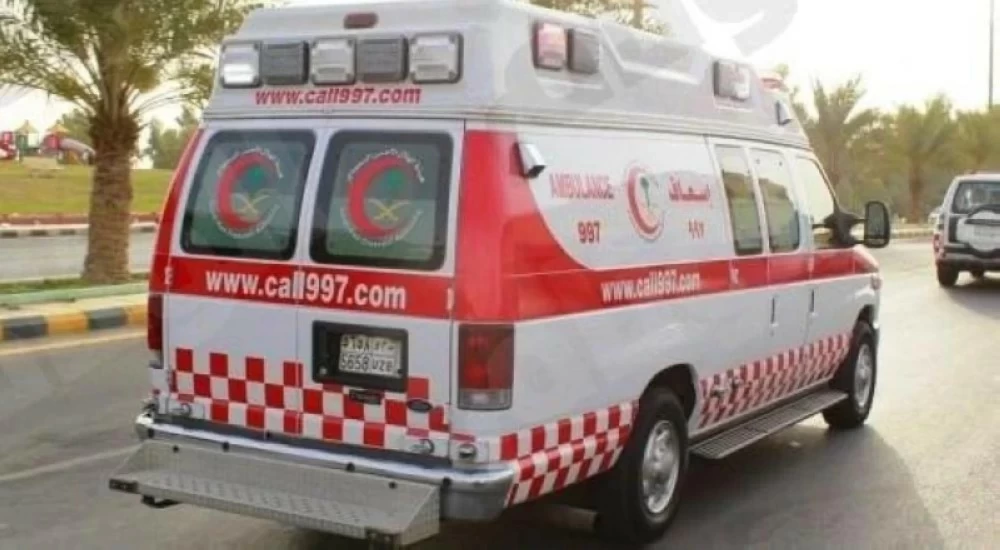
أسهم تفعيل مسار الجلطات القلبية في هيئة الهلال الأحمر السعودي بمنطقة الرياض في إعادة النبض لمريض تعرض لتوقف قلبي تنفسي في حي المربع، وذلك بعد تدخل إسعافي عاجل في موقع الحالة.
وأوضح فرع الهيئة أن البلاغ ورد عن حالة فاقدة للوعي، إذ باشرت الفرق الإسعافية الموقع بزمن استجابة بلغ 6 دقائق، وتبيّن عند الوصول أن الحالة في توقف كامل للقلب والتنفس، مع مؤشرات لحالة قلبية حادة، ما استدعى البدء الفوري بإجراءات الإنعاش القلبي الرئوي.
وأضافت الهيئة أنه وبالتوازي مع التعامل الميداني، تم تفعيل مسار الجلطات القلبية من قبل التحكم الطبي وفق البروتوكولات المعتمدة، وهو مسار يتيح نقل الحالة مباشرة إلى مختبر القسطرة القلبية دون المرور بإجراءات قسم الطوارئ؛ بهدف تسريع التدخل العلاجي في الوقت الأمثل ورفع فرص النجاة.
وبيّنت أن هذا المسار يُعد أحد المسارات التخصصية التي تعتمد على تكامل الاستجابة الميدانية مع المنشآت الصحية، وتقليل الزمن من لحظة الاشتباه بالحالة حتى بدء التدخل العلاجي، وهو ما يسهم بشكل مباشر في تحسين نتائج الحالات الحرجة.
وأشارت إلى أن سرعة الاستجابة وبدء الإنعاش المبكر، إلى جانب تفعيل المسار، أسهمت في استعادة النبض للمريض، ومن ثم نقله بشكل عاجل لاستكمال الرعاية الطبية اللازمة.
وأكدت الهيئة أهمية المبادرة بطلب الخدمة الإسعافية عبر الرقم (997) أو من خلال تطبيق «أسعفني» عند الاشتباه بالأعراض القلبية، لما لذلك من دور حاسم في تمكين الفرق من تفعيل المسارات التخصصية ورفع فرص النجاة.
The activation of the heart attack pathway by the Saudi Red Crescent Authority in the Riyadh region played a crucial role in restoring the pulse of a patient who suffered from cardiac arrest in the Al-Murabba neighborhood, following an urgent medical intervention at the scene.
The branch of the authority explained that a report was received about an unconscious patient, and the emergency teams arrived at the site with a response time of 6 minutes. Upon arrival, it was found that the patient was in complete cardiac and respiratory arrest, with indicators of an acute cardiac condition, which necessitated the immediate initiation of cardiopulmonary resuscitation procedures.
The authority added that in parallel with the field response, the heart attack pathway was activated by medical control according to the approved protocols. This pathway allows for the direct transfer of the patient to the cardiac catheterization lab without going through the emergency department procedures, aiming to expedite therapeutic intervention at the optimal time and increase the chances of survival.
It clarified that this pathway is one of the specialized pathways that relies on the integration of field response with health facilities, reducing the time from the moment of suspicion of the condition until the start of therapeutic intervention, which directly contributes to improving the outcomes of critical cases.
It pointed out that the speed of response and the initiation of early resuscitation, along with the activation of the pathway, contributed to restoring the patient's pulse, and subsequently, the patient was urgently transferred to continue the necessary medical care.
The authority emphasized the importance of promptly requesting emergency services via the number (997) or through the "Asfini" application when suspecting cardiac symptoms, as this plays a decisive role in enabling teams to activate specialized pathways and increase the chances of survival.