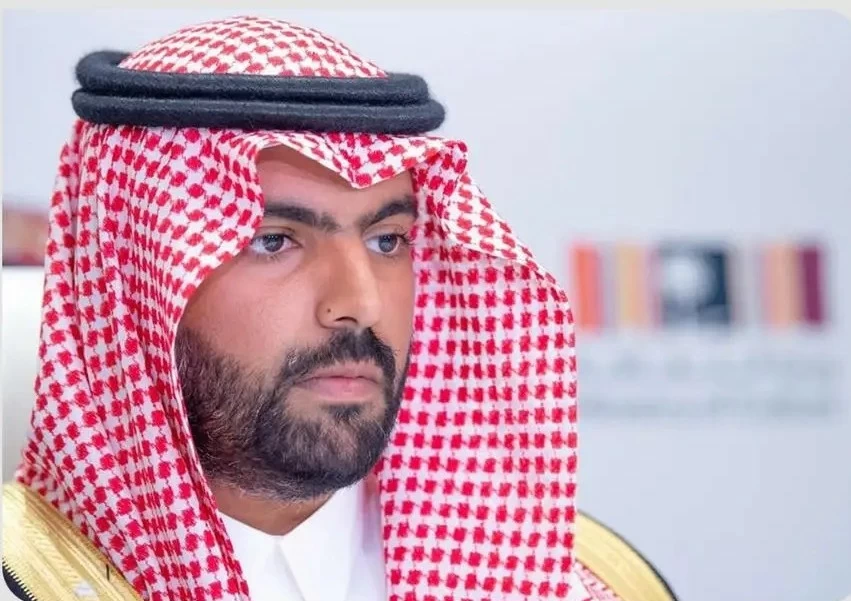
أعلن وزير الثقافة رئيس مجلس أمناء جامعة الرياض للفنون الأمير بدر بن عبدالله بن فرحان، فتح جامعة الرياض للفنون باب التقديم والتسجيل فيها خلال مايو القادم، لتبدأ الدراسة في أروقتها خلال سبتمبر القادم، لتكون مركزاً رائداً للتعليم الثقافي بالمملكة، وستقدم مجموعةً واسعة من التخصصات الأكاديمية التي تمكّن الطلاب من إثراء الصناعات الإبداعية والإسهام في تنمية القطاع الثقافي السعودي بما يتماشى مع رؤية المملكة 2030.
وقال وزير الثقافة: «نفخر بإطلاق جامعة الرياض للفنون التي تُعدّ خطوةً غير مسبوقة في تطوير القطاع الثقافي بالمملكة، وستكون حجرَ الأساس للتعليم الإبداعي والابتكار الثقافي، وستزوّد طلابَنا بالمهارات والمعرفة والرؤية التي تؤهلهم للإسهام في تشكيل مستقبل الثقافة في المملكة».
وأضاف: «كما نهدف من خلال دعم المواهب والاحتفاء بإرثنا الثقافي إلى تمكين الجيل القادم من الإسهام في نمو الاقتصاد الإبداعي وترك بصمتهم الفريدة على الساحة الثقافية المحلية والدولية».
يذكر أن الجامعة تطمح لتكون ضمن قائمة أفضل 50 جامعةً دولية متخصصة في الفنون والثقافة على مستوى العالم، عبر توفير بيئةٍ تعليمية مبتكرة تحفّز الطلاب إلى اكتشاف شغفهم، وتطوير مواهبهم، والإسهام الفاعل في الاقتصاد الإبداعي، ولتحقيق ذلك ستتبنّى الجامعة نهجاً تدريجياً يُلبّي احتياجات المستويات التعليمية، ويشمل القطاعات الثقافية كافة، مقدِّمةً برامج أكاديمية متكاملة تضمن استمرارية التعليم في مجالات الثقافة والفنون، وتشمل الدوراتِ القصيرةَ، وبرامج الدبلوم، والبكالوريوس، والدبلوم العالي، والماجستير، والدكتوراه.
ويقع الحرم الجامعي في مدينة الرياض، على أن تبدأ الجامعة عند بدء الدراسة خلال سبتمبر القادم باستقبال الطلبة في أربع كليات أوّليّة وثمانية برامج أكاديمية تابعة لكلية الموسيقى، وكلية الأفلام، وكلية المسرح والفنون الأدائية، وكلية الإدارة الثقافية على أن تتوسع لاحقاً بشكلٍ تدريجي لتصل إلى 13 كليةً تقدم برامج تعليمية متنوعة تغطي المجالات والقطاعات الثقافية.
ووقّعت الجامعة في الفترة الماضية شراكاتٍ مع مؤسساتٍ دولية رائدة؛ بهدف تصميم برامج أكاديميةٍ متطورة، والتعاون في مجال البحث العلمي، وتقديم برامجَ تعليميةٍ وثقافية ثرية فضلاً عن دعم مسار تنمية المواهب الوطنية عن طريق تعزيز الإبداع وبناء المهارات الريادية، والذي يُمكّن الفنانين، والباحثين، والقادة الثقافيين من دفع عجلة الاقتصاد الإبداعي والمستقبل الثقافي للمملكة.
وستقدم جامعة الرياض للفنون منحاً دراسية للدفعة الأولى على أن يتم الإعلان عن تفاصيلها مع بدء فتح باب القبول والتسجيل في مايو القادم، ويمكن الحصول على مزيدٍ من المعلومات عن الجامعة والبرامج الأكاديمية عبر زيارة الموقع الإلكتروني للجامعة: https://www.rua.edu.sa/ar?page=0.
وتعمل وزارة الثقافة على تطوير كافة جوانب القطاع الثقافي في المملكة، مع التركيز على تعزيز الأطر التشريعية والتنظيمية، وتحسين بيئة الاستثمار، وزيادة مساهمة القطاع في الاقتصاد الوطني بما يتماشى مع رؤية المملكة 2030.
وتسعى من خلال برامجها ومبادراتها المتنوعة إلى دعم بناء القدرات وتطوير المواهب، كما تُشرف على 11 هيئةً ثقافية، والعديد من الكيانات الثقافية الأخرى، إسهاماً في بناء منظومةٍ ثقافية متكاملة ومستدامة.
The Minister of Culture and Chairman of the Board of Trustees of the Riyadh University of Arts, Prince Badr bin Abdullah bin Farhan, announced the opening of applications and registration for the Riyadh University of Arts during the upcoming May, with classes set to begin in its halls in September. The university aims to be a leading center for cultural education in the Kingdom and will offer a wide range of academic disciplines that enable students to enrich the creative industries and contribute to the development of the Saudi cultural sector in line with the Kingdom's Vision 2030.
The Minister of Culture stated: "We are proud to launch the Riyadh University of Arts, which is an unprecedented step in developing the cultural sector in the Kingdom. It will serve as the cornerstone for creative education and cultural innovation, equipping our students with the skills, knowledge, and vision necessary to contribute to shaping the future of culture in the Kingdom."
He added: "Through supporting talents and celebrating our cultural heritage, we aim to empower the next generation to contribute to the growth of the creative economy and leave their unique mark on the local and international cultural scene."
It is noteworthy that the university aspires to be among the top 50 international universities specialized in arts and culture worldwide by providing an innovative educational environment that encourages students to discover their passions, develop their talents, and actively contribute to the creative economy. To achieve this, the university will adopt a gradual approach that meets educational level needs and encompasses all cultural sectors, offering comprehensive academic programs that ensure the continuity of education in the fields of culture and arts, including short courses, diploma programs, bachelor's degrees, higher diplomas, master's degrees, and doctorates.
The campus is located in Riyadh, and the university will begin receiving students in four initial colleges and eight academic programs under the College of Music, the College of Film, the College of Theatre and Performing Arts, and the College of Cultural Management when classes start in September. It will gradually expand to reach 13 colleges offering diverse educational programs covering cultural fields and sectors.
Recently, the university signed partnerships with leading international institutions to design advanced academic programs, collaborate in scientific research, and provide rich educational and cultural programs, in addition to supporting the development of national talents by enhancing creativity and building entrepreneurial skills, which empower artists, researchers, and cultural leaders to drive the creative economy and the cultural future of the Kingdom.
The Riyadh University of Arts will offer scholarships for the first cohort, with details to be announced when the application and registration process opens in May. More information about the university and academic programs can be found by visiting the university's website: https://www.rua.edu.sa/ar?page=0.
The Ministry of Culture is working to develop all aspects of the cultural sector in the Kingdom, focusing on enhancing legislative and regulatory frameworks, improving the investment environment, and increasing the sector's contribution to the national economy in line with the Kingdom's Vision 2030.
Through its diverse programs and initiatives, it seeks to support capacity building and talent development, and it oversees 11 cultural authorities and many other cultural entities, contributing to building an integrated and sustainable cultural system.