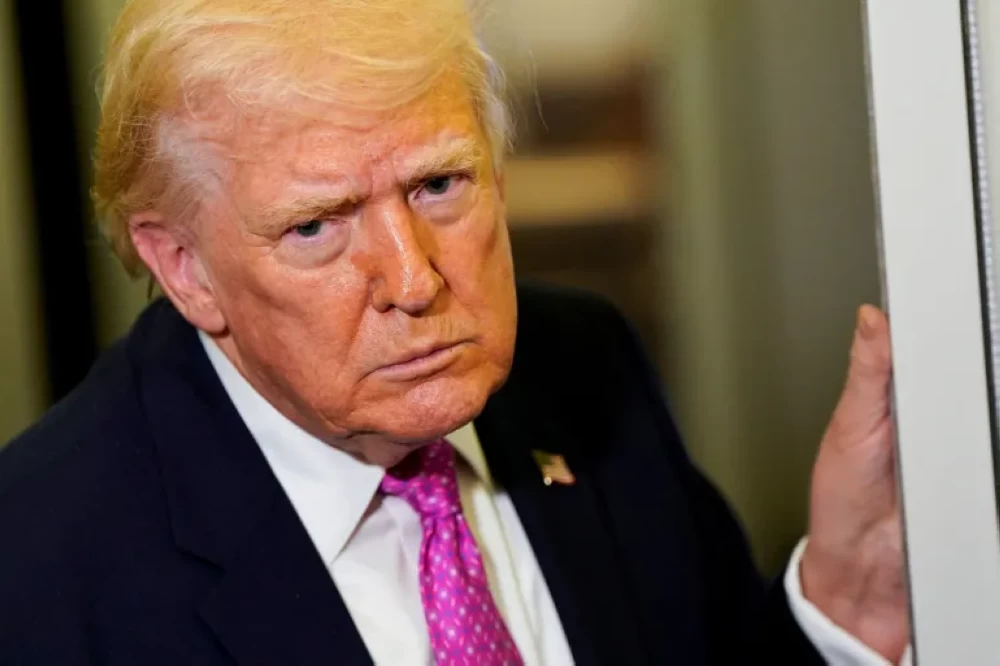
كشف الرئيس الأمريكي دونالد ترمب عن تقدم لافت في مسار التفاوض مع إيران، مؤكداً أن المحادثات تُجرى «بشكل مباشر وغير مباشر وعبر وسطاء»، وأن فرص التوصل إلى اتفاق «قريب جداً»، في وقت تحدث فيه عن «تغيير للنظام» داخل طهران، وتبدل في طبيعة القيادات التي باتت -على حد وصفه- «أكثر عقلانية».
مفاوضات بثلاثة مسارات
قال ترمب إن الاتصالات مع إيران لم تتوقف، بل تسير عبر قنوات متعددة، مشيراً إلى أن «المباحثات تمضي على نحو جيد جداً»، وأن جولة اليوم كانت «مثمرة للغاية». وأضاف: «نتعامل مع مجموعة جديدة داخل النظام الإيراني، تختلف عما كان في السابق».
وأكد أن بلاده «تقترب من نقاط مهمة جداً»، مع احتمال إعلان اتفاق خلال فترة قصيرة، رغم تحفظه بالقول: «قد نتوصل إلى اتفاق قريباً.. وقد لا نفعل».
«هدية النفط» ورسائل حسن النية
وفي إشارة لافتة، قال ترمب إن إيران قدمت «هدية جديدة» لإثبات جديتها في التفاوض، موضحاً أنها شحنات نفطية ضخمة، بينها «20 ناقلة ستعبر مضيق هرمز خلال الأيام المقبلة».
وأضاف: «لقد أعطونا ناقلات النفط كإشارة واضحة على رغبتهم في التوصل إلى اتفاق»، معتبراً أن هذه الخطوة تعكس «تقدماً في الثقة بين الطرفين».
15 بنداً على الطاولة
وكشف الرئيس الأمريكي أن طهران وافقت على «معظم» بنود القائمة الأمريكية التي تضم 15 شرطاً لإنهاء الحرب، قائلاً: «لقد وافقوا على معظم النقاط.. لماذا لا يفعلون ذلك؟».
وبحسب المعطيات، تشمل البنود:عدم امتلاك سلاح نووي ، تسليم اليورانيوم عالي التخصيب، فرض قيود على القدرات الدفاعية، إنهاء دعم الجماعات الإقليمية، إعادة فتح مضيق هرمز.
وأشار ترمب إلى أن واشنطن قد تضيف «طلبين إضافيين» إلى القائمة.
ضربات ميدانية وتصعيد مستمر
بالتوازي مع المسار السياسي، أكد ترمب أن الولايات المتحدة «ضربت المزيد من الأهداف داخل إيران»، وأنها «قضت على معظم الصواريخ الإيرانية»، في إطار العمليات العسكرية الجارية.
ولم يستبعد بقاء قوات أمريكية في مواقع استراتيجية، قائلاً: «إذا سيطرنا على جزيرة خارك فقد يتطلب ذلك بقاء قواتنا هناك لبعض الوقت».
«تغيير النظام».. قراءة أمريكية
وفي تصريح مثير، أعلن ترمب أن ما يجري في إيران «يمثل تغييراً فعلياً للنظام»، مضيفاً: «القيادة القديمة قُتلت، والنظام السابق انتهى».
وأوضح أن واشنطن تتعامل حالياً مع «مرحلة جديدة» داخل إيران، مشيراً إلى أن القيادات الحالية «أكثر عقلانية»، وهو ما يفسر -بحسب قوله- «مرونة طهران في التفاوض».
كما لفت إلى إصابة مجتبى خامنئي «إصابة بالغة»، في ظل تحولات عميقة داخل بنية السلطة الإيرانية.
وساطة باكستانية وتحركات إقليمية
تأتي هذه التطورات في وقت أعلنت فيه باكستان استعدادها لاستضافة محادثات بين واشنطن وطهران خلال الأيام القادمة، ضمن جهود إقليمية لخفض التصعيد وفتح نافذة تفاوض جديدة.
مؤشرات اتفاق.. لكن بحذر
رغم الأجواء الإيجابية التي عكسها ترمب، إلا أنه أبقى الباب مفتوحاً على جميع الاحتمالات، مؤكداً أن التقدم «حقيقي لكنه غير محسوم»، في ظل تعقيدات المشهد السياسي والعسكري.
وبين «هدية النفط» وضربات الميدان، تبدو المفاوضات الأمريكية الإيرانية أمام لحظة مفصلية قد تعيد رسم توازنات المنطقة.
U.S. President Donald Trump revealed significant progress in negotiations with Iran, confirming that talks are being conducted "directly and indirectly and through intermediaries," and that the chances of reaching an agreement are "very close," while also mentioning a "change of regime" within Tehran, and a shift in the nature of the leadership that has become - in his words - "more rational."
Negotiations on Three Tracks
Trump stated that communications with Iran have not stopped, but are proceeding through multiple channels, noting that "the discussions are going very well," and that today's round was "extremely fruitful." He added: "We are dealing with a new group within the Iranian regime, different from what it was before."
He confirmed that his country is "approaching very important points," with the possibility of announcing an agreement in a short period, despite his caution in saying: "We may reach an agreement soon... or we may not."
"The Oil Gift" and Messages of Goodwill
In a notable reference, Trump said that Iran has provided a "new gift" to demonstrate its seriousness in negotiations, clarifying that it consists of large oil shipments, including "20 tankers that will pass through the Strait of Hormuz in the coming days."
He added: "They gave us the oil tankers as a clear signal of their desire to reach an agreement," considering that this step reflects "progress in trust between the two sides."
15 Items on the Table
The U.S. president revealed that Tehran has agreed to "most" of the items on the U.S. list, which includes 15 conditions to end the war, saying: "They have agreed to most of the points... why don't they do it?"
According to the data, the items include: not possessing nuclear weapons, handing over highly enriched uranium, imposing restrictions on defensive capabilities, ending support for regional groups, and reopening the Strait of Hormuz.
Trump indicated that Washington might add "two additional requests" to the list.
Field Strikes and Ongoing Escalation
In parallel with the political track, Trump confirmed that the United States "has struck more targets inside Iran," and that it has "eliminated most of the Iranian missiles," as part of ongoing military operations.
He did not rule out the possibility of U.S. forces remaining in strategic locations, saying: "If we control Khark Island, it may require our forces to stay there for some time."
"Change of Regime" ... An American Perspective
In a striking statement, Trump announced that what is happening in Iran "represents a real change of regime," adding: "The old leadership has been killed, and the previous regime has ended."
He clarified that Washington is currently dealing with a "new phase" within Iran, pointing out that the current leadership is "more rational," which explains - according to him - "Tehran's flexibility in negotiations."
He also noted that Mojtaba Khamenei has sustained "serious injuries," amid deep transformations within the Iranian power structure.
Pakistani Mediation and Regional Movements
These developments come at a time when Pakistan announced its readiness to host talks between Washington and Tehran in the coming days, as part of regional efforts to de-escalate tensions and open a new window for negotiations.
Indicators of an Agreement ... But Cautiously
Despite the positive atmosphere reflected by Trump, he kept the door open to all possibilities, confirming that the progress is "real but not guaranteed," amid the complexities of the political and military scene.
Between "the oil gift" and field strikes, the U.S.-Iranian negotiations seem to be at a pivotal moment that could reshape the balances in the region.