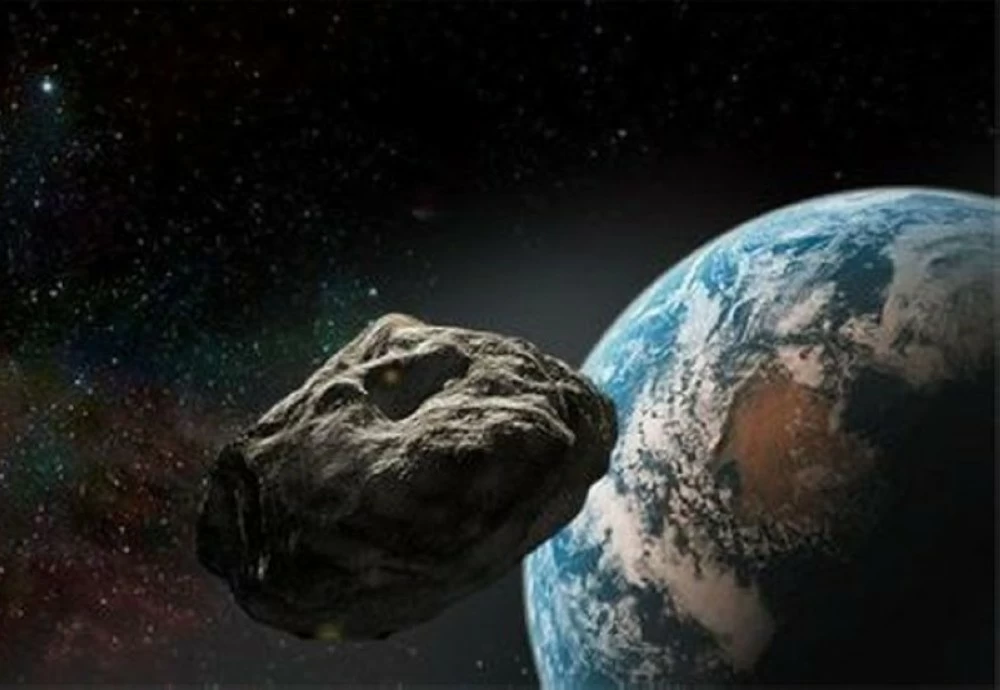
تشهد الكرة الأرضية يوم غدٍ، عبور كويكب صغير مكتشف حديثاً يُعرف باسم (2026 CR2)، ويبلغ قطره نحو (3) أمتار، ويتحرك بسرعة عالية نسبياً ضمن نطاق الكويكبات القريبة من الأرض.
وأشار رئيس الجمعية الفلكية بجدة ماجد أبو زاهرة إلى أن الكويكب سيصل إلى أقرب نقطة من الأرض على مسافة تُقدّر بنحو (136.500) كيلومتر، أي أقل من نصف متوسط المسافة بين الأرض والقمر التي تبلغ نحو (385.000) كيلومتر، مبيناً أن هذا الاقتراب لا يُشكّل أي تهديد على كوكب الأرض.
وأكد أن الكويكب يُعد صغيراً جداً وفق المعايير الفلكية المتعارف عليها، وهو غير مرئي بالعين المجردة عند اقترابه، لافتاً إلى أنه في حال افتراض مسار اصطدام محتمل مع الغلاف الجوي للأرض، فإنه سيتحول إلى كرة نارية أثناء دخوله، وهو حدث طبيعي يتكرر عدة مرات سنوياً لصخور فضائية بهذا الحجم، مبيناً أن هناك، وفق بعض التقديرات، مئات الملايين من الكويكبات الصغيرة المشابهة لـ(2026 CR2)، إلا أن اكتشافها يُعد أمراً بالغ الصعوبة ولا يتم غالباً إلا عند اقترابها الشديد من الأرض، مشيراً إلى أن الغالبية العظمى منها تمر بأمان على مسافات أكبر بكثير، وغالباً أبعد من القمر.
وأوضح أبو زاهرة أن العثور على هذه الكويكبات الصغيرة يُعد إنجازاً علمياً مهماً، نظراً لسرعتها العالية وقِصر النافذة الزمنية المتاحة لرصدها، والتي قد تمتد لبضعة أيام قبل أو بعد أقرب اقتراب لها من الأرض، إذ يكون الكويكب قريباً بما يكفي لرصده عبر التلسكوبات، دون أن تكون حركته السريعة في السماء عائقاً أمام اكتشافه.
The Earth will witness tomorrow the passage of a small asteroid recently discovered, known as (2026 CR2), which has a diameter of about (3) meters and is moving at a relatively high speed within the range of near-Earth asteroids.
The head of the Astronomical Society in Jeddah, Majid Abu Zahra, indicated that the asteroid will reach its closest point to Earth at a distance estimated at about (136,500) kilometers, which is less than half the average distance between the Earth and the Moon, approximately (385,000) kilometers, noting that this approach does not pose any threat to the planet Earth.
He confirmed that the asteroid is considered very small by astronomical standards and is not visible to the naked eye as it approaches, pointing out that in the event of a hypothetical collision course with the Earth's atmosphere, it would turn into a fireball upon entry, which is a natural event that occurs several times a year for space rocks of this size. He explained that, according to some estimates, there are hundreds of millions of small asteroids similar to (2026 CR2), but their discovery is extremely difficult and usually only happens when they are very close to Earth, noting that the vast majority of them pass safely at much greater distances, often farther than the Moon.
Abu Zahra clarified that finding these small asteroids is considered an important scientific achievement due to their high speed and the short time window available for observing them, which may extend for a few days before or after their closest approach to Earth, as the asteroid is close enough to be observed through telescopes, without its rapid movement in the sky being an obstacle to its discovery.