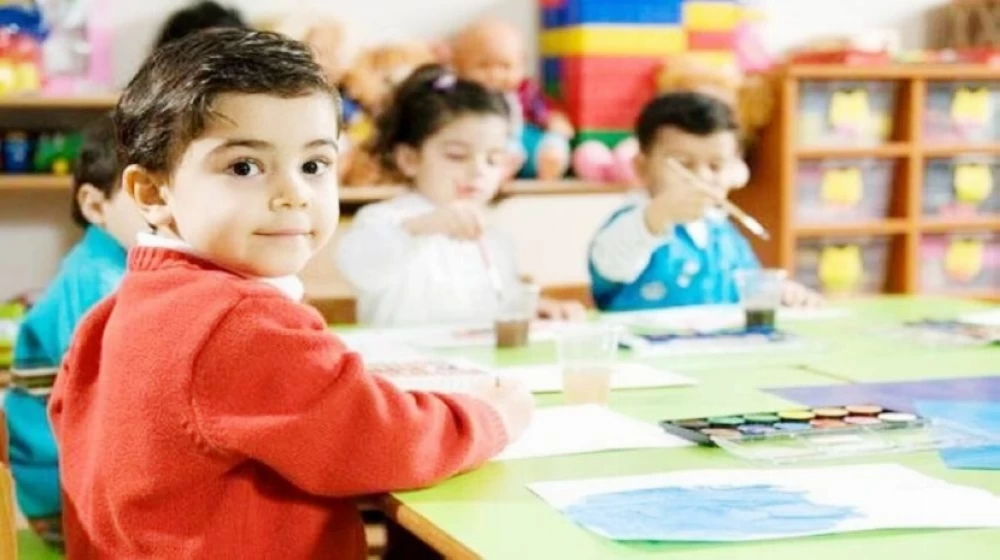
مكنت وزارة التعليم أولياء الأمور من الاستفادة من الروضة الافتراضية الإلكترونية لتعليم أبنائهم وبناتهم عن بعد عبر منصة «روضتي». الروضة الافتراضية التي أطلقتها الوزارة نمط تعليمي يتيح للأطفال فرصة التعلم عن بُعد من خلال محتوى رقمي وأنشطة تفاعلية مناسبة لخصائصهم العمرية واحتياجاتهم النمائية. وتقدم الروضة محتوى تعليمياً رقمياً مناسباً لعمر الطفل وأنشطة تفاعلية تعزز التعلم والاستكشاف وفرص تنمية المهارات والقدرات ومرونة في أوقات التعلم ومساحة تعليمية مرنة بهدف صنع فرص جديدة للتعلم والنمو.
وأوضحت الوزارة، أن التسجيل متاح بالدخول إلى بوابة التعليم وتسجيل الدخول بحساب ولي الأمر ومن ثم من قائمة الطلبة المؤهلين للتسجيل واختيار الطفل والضغط على بدء التسجيل وقراءة شروط التسجيل والموافقة على الإقرارات وبعدها اختيار «التعليم الإلكتروني» من خيارات نظام الحضور، واستكمال البيانات المطلوبة واختيار «الروضة الافتراضية» من قائمة الروضات وأخيراً مراجعة البيانات واستكمال تقديم طلب التسجيل.
من جانب آخر، أكدت الوزارة، أن الأسرة شريك في الحد من التنمر الإلكتروني لطلاب وطالبات التعليم العام.
وبينت، أنه يتعين على الأسرة أن تنبه أبناءها وبناتها إلى 7 مكونات رئيسية للحد من التنمر الإلكتروني وتتمثل المكونات في الحديث مع الأبناء عن مفهوم التنمر الإلكتروني وكيفية التعامل معه وتعليم الأبناء حماية كلمات المرور الخاصة على الإنترنت ومساعدة الأبناء في تحديد التطبيقات المناسبة وغير المناسبة لهم ووضع قواعد تحدد مقدار الوقت المناسب لاستخدام الأبناء للأجهزة والإنترنت والاطلاع الدائم على أحدث التطبيقات المستخدمة من قبل الأطفال والمراهقين وتفعيل خاصية التحكم الأبوي في الأجهزة الإلكترونية للأبناء وتشجيع الأبناء على إبلاغ الوالدين في حال تعرضهم للتنمر.
The Ministry of Education has enabled parents to benefit from the virtual electronic kindergarten to educate their sons and daughters remotely through the "Rawdaty" platform. The virtual kindergarten launched by the ministry is an educational model that allows children the opportunity to learn remotely through digital content and interactive activities suitable for their age characteristics and developmental needs. The kindergarten provides age-appropriate educational digital content and interactive activities that enhance learning and exploration, opportunities for skill and ability development, and flexibility in learning times, creating a flexible educational space aimed at creating new opportunities for learning and growth.
The ministry clarified that registration is available by accessing the education portal, logging in with the parent's account, then selecting the eligible students for registration, choosing the child, clicking on "Start Registration," reading the registration conditions, and agreeing to the declarations. After that, select "E-Learning" from the attendance system options, complete the required information, choose "Virtual Kindergarten" from the list of kindergartens, and finally review the information and complete the registration application.
On another note, the ministry confirmed that the family is a partner in reducing cyberbullying among students in general education.
It indicated that families should alert their sons and daughters to 7 main components to reduce cyberbullying. These components include discussing the concept of cyberbullying with children and how to deal with it, teaching children to protect their online passwords, assisting children in identifying suitable and unsuitable applications for them, setting rules that define the appropriate amount of time for children to use devices and the internet, staying updated on the latest applications used by children and teenagers, activating parental control features on electronic devices for children, and encouraging children to inform their parents if they experience bullying.