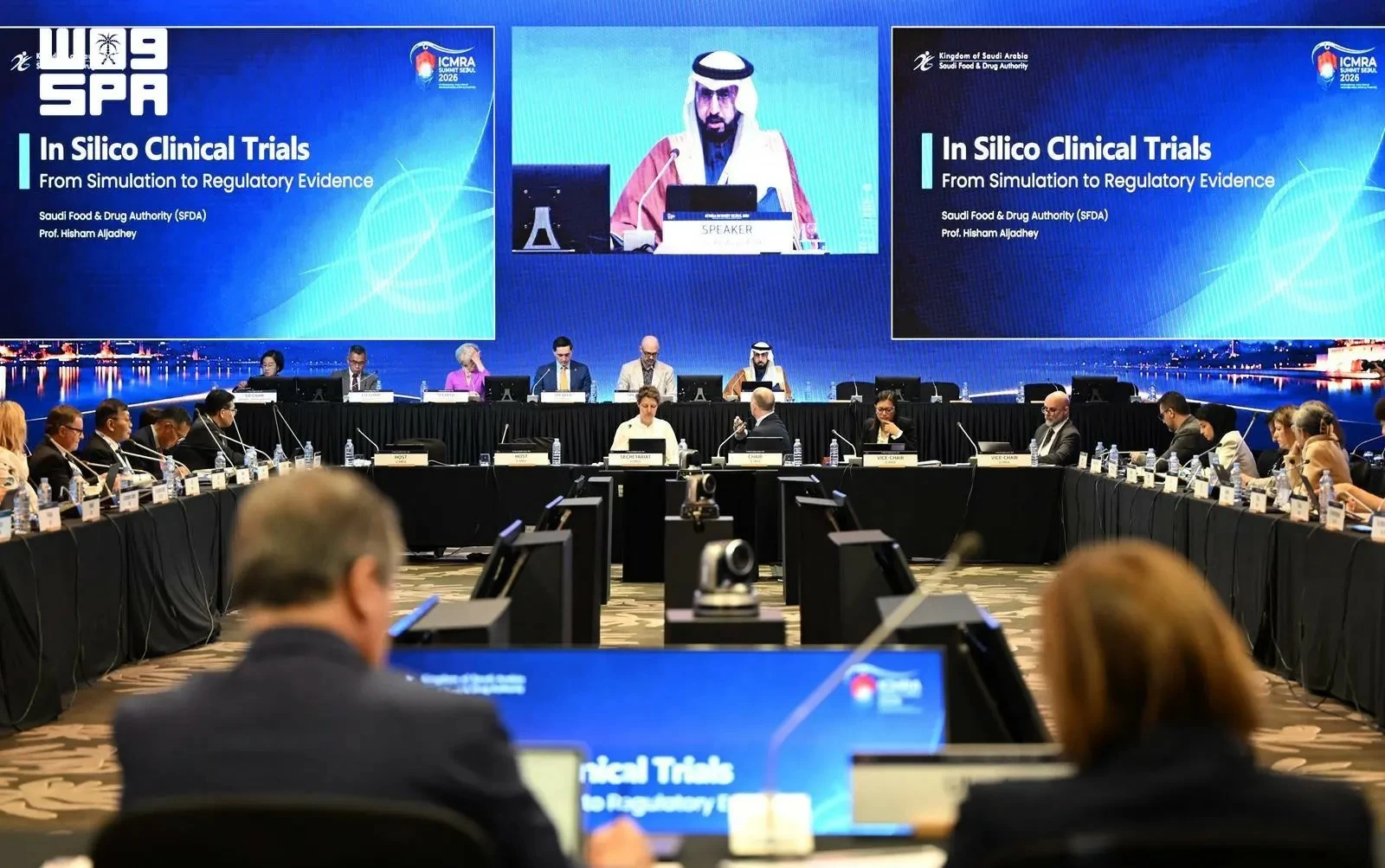
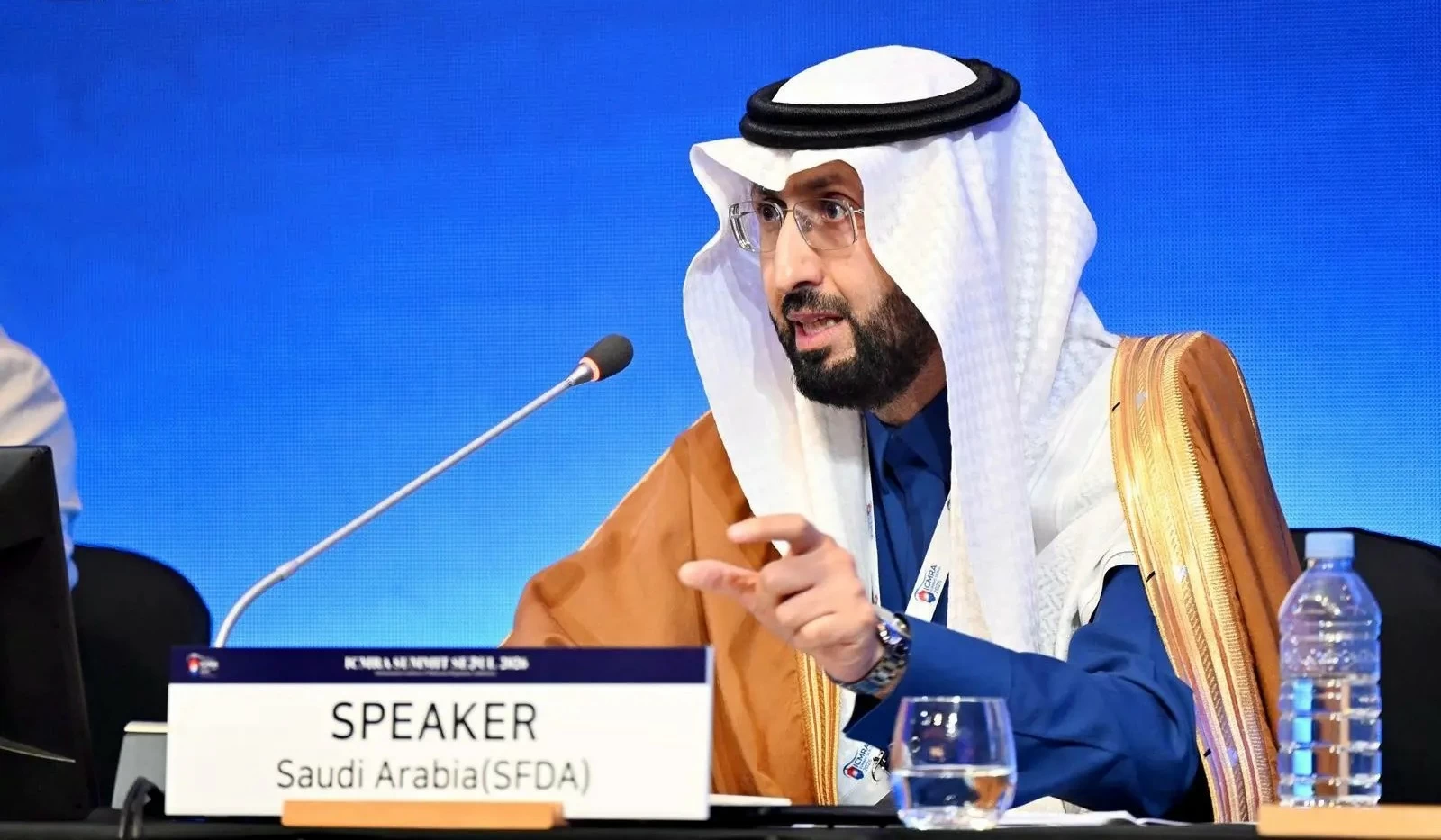
أكد الرئيس التنفيذي للهيئة العامة للغذاء والدواء الأستاذ الدكتور هشام بن سعد الجضعي أن الذكاء الاصطناعي والمحاكاة الحاسوبية يمثلان فرصًا واعدة لتسريع تطوير الأدوية وتعزيز كفاءة الدراسات السريرية، بما يسهم في توفير أدلة علمية موثوقة تدعم القرارات التنظيمية، وتسهّل وصول المرضى إلى العلاجات الآمنة والفعالة، لا سيما في مجال الأمراض النادرة.
جاء ذلك ضمن العرض الذي قدمه خلال مشاركته في القمة السنوية لمنظمة السلطات التنظيمية لائتلاف الأدوية الدولي (ICMRA)، التي تستضيفها وزارة سلامة الغذاء والدواء الكورية في العاصمة سيئول، بمشاركة قيادات وممثلي الجهات الرقابية من مختلف دول العالم.
وقدم معاليه عرضًا بعنوان «التجارب السريرية القائمة على المحاكاة الحاسوبية» خلال جلسة «الاتجاهات العالمية والإستراتيجيات العملية لاستخدام الذكاء الاصطناعي في تنظيم الأدوية»، استعرض فيه دور الذكاء الاصطناعي والمحاكاة الحاسوبية في إحداث تحول في تطوير الأدوية، من خلال تسريع الدراسات السريرية، وتعزيز الأدلة العلمية الداعمة للقرارات التنظيمية، وتقليل الأعباء على المرضى، مع المحافظة على متطلبات الجودة والسلامة والفعالية.
وأكد أهمية توظيف هذه التقنيات في تطوير علاجات الأمراض النادرة، التي تواجه تحديات في إجراء الدراسات السريرية التقليدية، نتيجة محدودية أعداد المرضى وصعوبة استقطاب المشاركين، مشيرًا إلى أن المحاكاة الحاسوبية تتيح فرصًا لاستكمال الدراسات التقليدية وتحسين تصميمها، والاستعاضة عن بعض أجزائها في الحالات المناسبة، بما يسهم في تسريع تطوير العلاجات وإتاحتها للمرضى.
وأوضح أن الهيئة تعمل على تهيئة البيئة التنظيمية الداعمة لهذا التحول، من خلال برنامج «نادر» لأدوية الأمراض النادرة، وإرشادات استخدام الذكاء الاصطناعي في التطوير السريري، إلى جانب إنشاء مختبر «سيل» للذكاء الاصطناعي لدعم اختبار التطبيقات وتقييمها في العلوم التنظيمية، مشددًا على أن الاستفادة من هذه التقنيات ترتبط بموثوقية الأدلة الناتجة عنها وصلاحيتها لدعم القرارات التنظيمية، بما يستلزم جودة البيانات، والتحقق من النماذج، والشفافية، والإشراف البشري، وتعزيز التعاون الدولي وتبادل الخبرات.
وتناولت الجلسة تجارب وتوجهات عدد من الجهات الرقابية الدولية في توظيف الذكاء الاصطناعي في تنظيم الأدوية والمستحضرات الحيوية، ودعم اتخاذ القرارات التنظيمية، وتطوير أساليب التواصل، والاستفادة من الدروس التنظيمية في تطبيقاته بقطاع الرعاية الصحية، بمشاركة ممثلين عن إدارة الغذاء والدواء الأمريكية، ووكالة الأدوية الأوروبية، والوكالة البريطانية لتنظيم الأدوية ومنتجات الرعاية الصحية، والوكالة الإسبانية للأدوية والمنتجات الصحية، والوكالة الوطنية للمراقبة الصحية بالبرازيل.
وتعكس مشاركة الهيئة دورها في تطوير الممارسات التنظيمية الدولية ومواكبة التحولات التقنية في القطاع الدوائي، بصفتها أول جهة رقابية من منطقة الشرق الأوسط وشمال أفريقيا تحصل على العضوية الكاملة في الائتلاف، بما يتيح لها الإسهام في صياغة سياساته وقراراته، وتعزيز كفاءة المنظومة الرقابية وتسريع وصول العلاجات الآمنة والفعالة إلى المرضى.
ويُعد الائتلاف تجمعًا دوليًا يضم رؤساء الهيئات الرقابية والتنظيمية للأدوية من مختلف دول العالم، ويهدف إلى تعزيز التعاون والتنسيق وتبادل المعلومات والخبرات، وتوحيد الجهود لمواجهة الأزمات الصحية العالمية، بما يسهم في ضمان سلامة الأدوية واللقاحات وجودتها وفعاليتها، ودعم الابتكار وتسريع إتاحة العلاجات الجديدة وفق معايير السلامة.
The CEO of the Saudi Food and Drug Authority, Dr. Hisham bin Saad Al-Jad'ai, confirmed that artificial intelligence and computational simulation represent promising opportunities to accelerate drug development and enhance the efficiency of clinical studies, contributing to the provision of reliable scientific evidence that supports regulatory decisions and facilitates patient access to safe and effective treatments, especially in the field of rare diseases.
This was stated during his presentation at the annual summit of the International Coalition of Medicines Regulatory Authorities (ICMRA), hosted by the Korean Ministry of Food and Drug Safety in the capital, Seoul, with the participation of leaders and representatives from regulatory bodies from various countries around the world.
He delivered a presentation titled "Computer Simulation-Based Clinical Trials" during the session "Global Trends and Practical Strategies for Using Artificial Intelligence in Drug Regulation," where he reviewed the role of artificial intelligence and computational simulation in transforming drug development by accelerating clinical studies, enhancing the scientific evidence supporting regulatory decisions, and reducing the burden on patients while maintaining quality, safety, and efficacy requirements.
He emphasized the importance of employing these technologies in developing treatments for rare diseases, which face challenges in conducting traditional clinical studies due to the limited number of patients and the difficulty of recruiting participants, noting that computational simulation provides opportunities to complement traditional studies and improve their design, replacing some of their components in suitable cases, which contributes to accelerating the development of treatments and making them available to patients.
He explained that the authority is working to create a supportive regulatory environment for this transformation through the "Rare" program for rare disease drugs, guidelines for using artificial intelligence in clinical development, as well as establishing an AI "Cell" laboratory to support the testing and evaluation of applications in regulatory sciences, stressing that the benefits of these technologies are linked to the reliability of the evidence produced and its validity to support regulatory decisions, which requires data quality, model verification, transparency, human oversight, and enhancing international cooperation and knowledge exchange.
The session addressed the experiences and trends of several international regulatory bodies in employing artificial intelligence in drug and biological product regulation, supporting regulatory decision-making, developing communication methods, and benefiting from regulatory lessons in its applications in the healthcare sector, with the participation of representatives from the U.S. Food and Drug Administration, the European Medicines Agency, the UK Medicines and Healthcare products Regulatory Agency, the Spanish Agency for Medicines and Health Products, and the National Health Surveillance Agency of Brazil.
The authority's participation reflects its role in developing international regulatory practices and keeping pace with technological transformations in the pharmaceutical sector, being the first regulatory body from the Middle East and North Africa to obtain full membership in the coalition, allowing it to contribute to shaping its policies and decisions, enhancing the efficiency of the regulatory system, and accelerating the availability of safe and effective treatments to patients.
The coalition is an international gathering that includes heads of regulatory and supervisory authorities for medicines from various countries around the world, aiming to enhance cooperation, coordination, information and experience exchange, and unify efforts to address global health crises, contributing to ensuring the safety, quality, and efficacy of medicines and vaccines, supporting innovation, and accelerating the availability of new treatments according to safety standards.