في ظل التحولات المتسارعة التي يشهدها سوق العمل، وتغير المهارات المطلوبة في العديد من القطاعات والمهن، تتزايد أهمية التكامل بين المؤسسات الأكاديمية وأصحاب الأعمال، بما يضمن تطوير فرص تعلم تستجيب للاحتياجات الفعلية للقطاعات، وتمنح الأفراد مهارات أكثر ارتباطًا بمستقبلهم المهني.
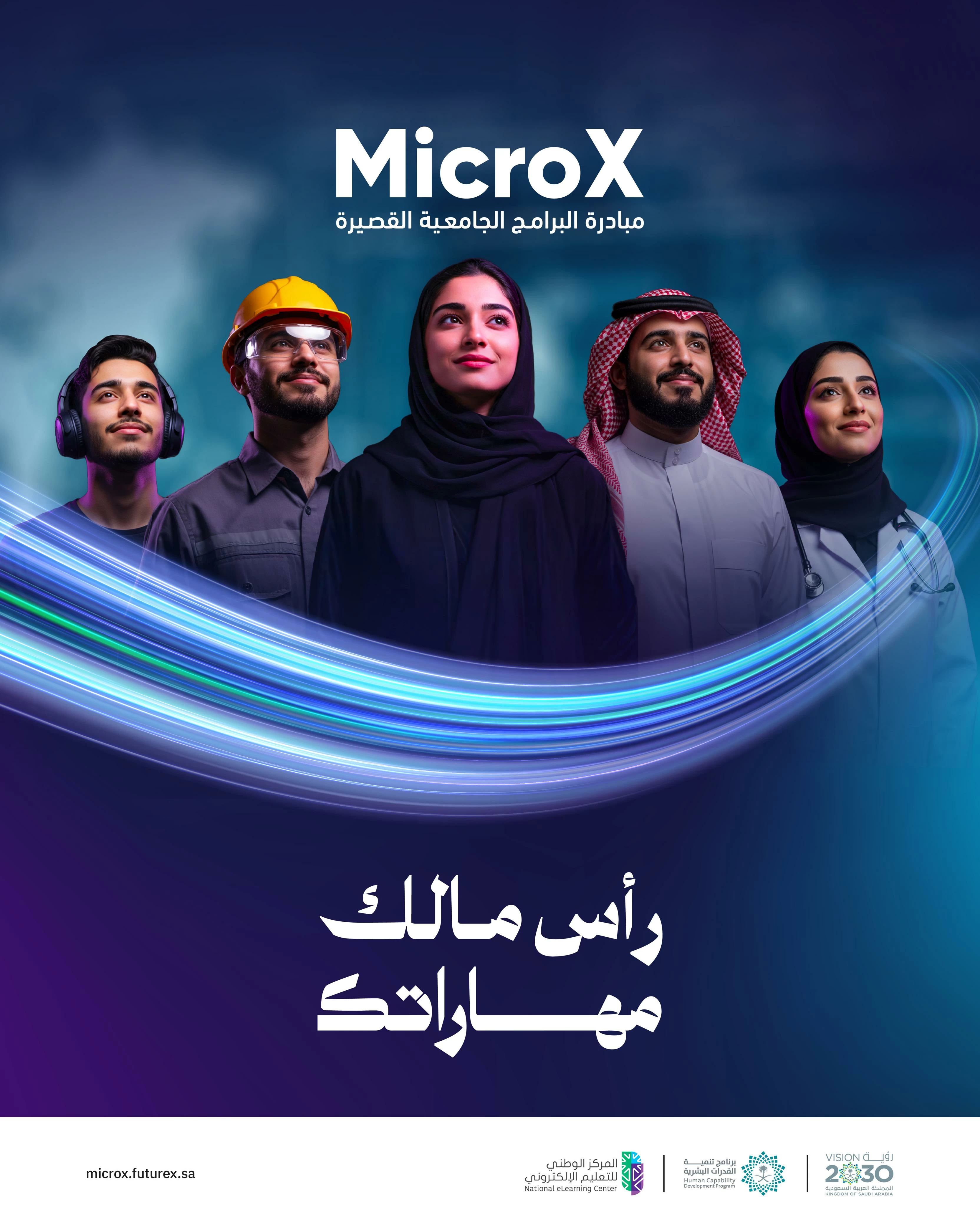
ومن هذا المنطلق، تأتي مبادرة البرامج الجامعية القصيرة «MicroX»، إحدى مبادرات برنامج تنمية القدرات البشرية -أحد برامج تحقيق رؤية السعودية 2030-، لتقدم نموذجًا يقوم على شراكة الجامعات السعودية مع أصحاب الأعمال في تطوير وتقديم برامج جامعية قصيرة، معتمدة ومرنة، ترتبط بالمهارات والجدارات التي يحتاجها سوق العمل السعودي.
وتتولى الجامعات السعودية تقديم برامج MicroX والإشراف على جوانبها الأكاديمية ومنح شهاداتها، فيما تسهم الوزارات والهيئات والجهات الحكومية ومؤسسات القطاع الخاص وأصحاب الأعمال في تحديد الاحتياجات والمهارات المطلوبة في القطاعات المختلفة؛ ليجتمع بذلك البعد الأكاديمي مع المعرفة المباشرة باحتياجات المهن وسوق العمل.
ويمنح هذا التكامل الجامعات قدرة أكبر على تطوير برامج تستجيب للتحولات التي تشهدها القطاعات، انطلاقًا من احتياجات مهنية واضحة، وبمشاركة الجهات الأكثر معرفة بطبيعة الوظائف والمهارات المطلوبة فيها، بما يعزز مواءمة فرص التعلم مع الأولويات الاقتصادية والمهنية للمملكة.
ويعمل المركز الوطني للتعليم الإلكتروني في المبادرة على التنسيق والتنظيم وتمكين التكامل بين الجامعات وأصحاب الأعمال والجهات المشاركة، فيما تبقى الجامعات هي الجهات المقدمة للبرامج والمسؤولة عن المحتوى الأكاديمي والشهادات المرتبطة بها.
من احتياج القطاع إلى برنامج جامعي
تبدأ القيمة الأساسية لهذا النموذج من وجود علاقة أكثر تكاملًا بين احتياجات القطاعات وما تقدمه الجامعات من فرص لتطوير المهارات؛ إذ يشارك أصحاب الأعمال في تحديد المهارات والجدارات التي تحتاجها المهن الحالية والناشئة، فيما توظف الجامعات خبراتها الأكاديمية في تحويل هذه الاحتياجات إلى برامج تعليمية مركزة ذات نواتج تعلم واضحة.
ويسهم ذلك في تقديم برامج تتواءم مع المتطلبات الحالية والمتغيرة لسوق العمل، وتواكب التحولات التقنية والمهنية التي تشهدها قطاعات المملكة، خصوصًا مع ظهور وظائف جديدة وتغير طبيعة عدد من المهارات المطلوبة لممارسة وظائف قائمة.
وتستهدف المبادرة إطلاق 350 برنامجًا جامعيًا قصيرًا خلال أربع سنوات، بالشراكة مع الجامعات وأصحاب الأعمال في القطاعات التخصصية، لتشمل مجالات متنوعة ترتبط بالقطاعات الحيوية والواعدة، مثل الذكاء الاصطناعي والتقنيات الرقمية، والصحة، والطاقة، والنقل والخدمات اللوجستية، والتصنيع، والسياحة والضيافة، والثقافة والترفيه، والابتكار وريادة الأعمال، وغيرها من المجالات.
برامج مرنة لاحتياجات مهنية متنوعة
ولا يقتصر مفهوم البرامج الجامعية القصيرة على مدة البرنامج فحسب، بل يقوم على تقديم تجربة تعلم أكثر مرونة وقابلية للتخصيص؛ إذ يستطيع المتعلم اختيار البرامج التي تتناسب مع احتياجاته المهنية واهتماماته وخبراته السابقة، وبناء رحلة تعلم تتطور معه وفق أهدافه الشخصية والمهنية.
وتُقدم البرامج بالنمط الرقمي من خلال الجامعات السعودية، بما يوفر للمستفيد مرونة في الوصول إلى فرص التعلم والتطوير، سواء كان طالبًا جامعيًا يرغب في تعزيز جاهزيته المهنية، أو خريجًا أو باحثًا عن عمل يسعى إلى اكتساب مهارات مرتبطة بمجال وظيفي محدد، أو موظفًا يرغب في تحديث مهاراته ومواكبة المتغيرات التي يشهدها قطاعه.
وتتكون البرامج الجامعية القصيرة من مقررين على الأقل، وبحد أدنى ثلاث ساعات معتمدة وحد أقصى 23 ساعة معتمدة، وتركز على مهارات أو جدارات محددة، وتنتهي بعمليات تقييم محوكمة تقيس تحقق نواتج التعلم المستهدفة.
كما تتميز البرامج بقابليتها للتجميع، بما يتيح للمتعلم الاستفادة مما أنجزه في بناء مسار تعليمي أوسع يمكن أن يقوده إلى مؤهلات علمية أعلى، وفق الأطر والضوابط الأكاديمية المعتمدة.
الطالب والموظف والباحث عن عمل في قلب المبادرة
ويتيح تنوع البرامج للفئات المستهدفة الاستفادة منها في مراحل مختلفة من الرحلة التعليمية والمهنية؛ فالطالب الجامعي يستطيع إضافة مهارات مرتبطة بالقطاع الذي يتطلع إلى العمل فيه، بما يعزز استعداده المبكر لسوق العمل.
أما الباحث عن عمل، فيمكنه تطوير مهارات مهنية أكثر ارتباطًا باحتياجات القطاعات والوظائف المستهدفة، فيما يستطيع من هم على رأس العمل مواصلة تطوير قدراتهم، واكتساب مهارات جديدة أو تحديث مهاراتهم الحالية بما يتلاءم مع التغيرات التي تشهدها وظائفهم وقطاعاتهم.
وتعزز هذه المرونة مفهوم التعلم مدى الحياة، بحيث يصبح تطوير المهارات عملية مستمرة لا ترتبط بمرحلة عمرية أو تعليمية محددة، وإنما تتطور مع تغير احتياجات الفرد وسوق العمل.
شراكة تعزز جاهزية الكفاءات الوطنية
ويمثل التعاون بين الجامعات السعودية وقطاع الأعمال أحد أهم عناصر مبادرة MicroX؛ فالجامعة تقدم المعرفة والخبرة الأكاديمية، فيما يقدم أصحاب الأعمال فهمًا مباشرًا للمهارات والتحديات التي تشهدها القطاعات، ويعمل التكامل بينهما على بناء برامج أكثر ارتباطًا بالواقع المهني.
ويعكس هذا النموذج توجه برنامج تنمية القدرات البشرية نحو تعزيز المواءمة بين مخرجات التعليم واحتياجات سوق العمل، وتوفير فرص تعلم وتطوير تدعم جاهزية المواطن في مختلف مراحل حياته، وتسهم في بناء رأس مال بشري يمتلك المهارات والقدرات اللازمة للمشاركة في القطاعات الحالية والواعدة.
ومن خلال هذا التكامل، تصبح البرامج الجامعية القصيرة مساحة تلتقي فيها خبرة الجامعات مع احتياجات سوق العمل؛ لتحويل المتغيرات المهنية والاقتصادية إلى فرص تعلم نوعية، ودعم قدرة الكفاءات الوطنية على التطور المستمر والمنافسة في سوق عمل سريع التغير.
In light of the rapid transformations taking place in the labor market and the changing skills required in many sectors and professions, the importance of integration between academic institutions and employers is increasing, ensuring the development of learning opportunities that respond to the actual needs of sectors and provide individuals with skills more relevant to their professional future.
From this perspective, the initiative of short university programs "MicroX," one of the initiatives of the Human Capacity Development Program - one of the programs to achieve Saudi Vision 2030 - comes to present a model based on the partnership of Saudi universities with employers in developing and offering short, accredited, and flexible university programs that are linked to the skills and competencies needed in the Saudi labor market.
Saudi universities are responsible for offering MicroX programs and overseeing their academic aspects and awarding certificates, while ministries, agencies, government entities, private sector institutions, and employers contribute to identifying the needs and skills required in various sectors; thus, combining the academic dimension with direct knowledge of the needs of professions and the labor market.
This integration grants universities greater capacity to develop programs that respond to the transformations occurring in sectors, starting from clear professional needs, with the participation of the entities most knowledgeable about the nature of jobs and the skills required for them, enhancing the alignment of learning opportunities with the economic and professional priorities of the Kingdom.
The National Center for E-Learning in the initiative works on coordinating, organizing, and enabling integration between universities, employers, and participating entities, while universities remain the providers of the programs and are responsible for the academic content and the associated certificates.
From Sector Needs to University Programs
The core value of this model begins with a more integrated relationship between sector needs and what universities offer in terms of skill development opportunities; employers participate in identifying the skills and competencies required for current and emerging professions, while universities leverage their academic expertise to transform these needs into focused educational programs with clear learning outcomes.
This contributes to offering programs that align with the current and changing requirements of the labor market, keeping pace with the technological and professional transformations occurring in the Kingdom's sectors, especially with the emergence of new jobs and the changing nature of several skills required for existing positions.
The initiative aims to launch 350 short university programs over four years, in partnership with universities and employers in specialized sectors, covering various fields related to vital and promising sectors, such as artificial intelligence and digital technologies, health, energy, transport and logistics services, manufacturing, tourism and hospitality, culture and entertainment, innovation and entrepreneurship, and other fields.
Flexible Programs for Diverse Professional Needs
The concept of short university programs is not limited to the duration of the program alone but is based on providing a more flexible and customizable learning experience; learners can choose programs that suit their professional needs, interests, and previous experiences, building a learning journey that evolves with their personal and professional goals.
The programs are offered in a digital format through Saudi universities, providing beneficiaries with flexibility in accessing learning and development opportunities, whether they are university students looking to enhance their professional readiness, graduates or job seekers aiming to acquire skills related to a specific job field, or employees wishing to update their skills and keep pace with the changes occurring in their sector.
Short university programs consist of at least two courses, with a minimum of three credit hours and a maximum of 23 credit hours, focusing on specific skills or competencies, and concluding with rigorous assessment processes that measure the achievement of the targeted learning outcomes.
The programs are also characterized by their modularity, allowing learners to benefit from what they have accomplished in building a broader educational pathway that can lead them to higher academic qualifications, according to the approved academic frameworks and regulations.
The Student, Employee, and Job Seeker at the Heart of the Initiative
The diversity of programs allows the target groups to benefit from them at different stages of their educational and professional journey; university students can add skills related to the sector they aspire to work in, enhancing their early readiness for the labor market.
As for job seekers, they can develop professional skills more closely related to the needs of targeted sectors and jobs, while those already in employment can continue to develop their capabilities, acquiring new skills or updating their current skills to align with the changes occurring in their jobs and sectors.
This flexibility reinforces the concept of lifelong learning, making skill development a continuous process not tied to a specific age or educational stage, but evolving with the changing needs of the individual and the labor market.
Partnerships that Enhance the Readiness of National Competencies
The collaboration between Saudi universities and the business sector is one of the most important elements of the MicroX initiative; the university provides knowledge and academic expertise, while employers offer direct understanding of the skills and challenges faced by sectors, and the integration between them works to build programs more closely aligned with professional reality.
This model reflects the Human Capacity Development Program's direction towards enhancing the alignment between educational outcomes and labor market needs, providing learning and development opportunities that support citizens' readiness at various stages of their lives and contribute to building human capital equipped with the skills and capabilities necessary to participate in current and promising sectors.
Through this integration, short university programs become a space where university expertise meets labor market needs; transforming professional and economic changes into quality learning opportunities, and supporting the ability of national competencies to continuously evolve and compete in a rapidly changing labor market.