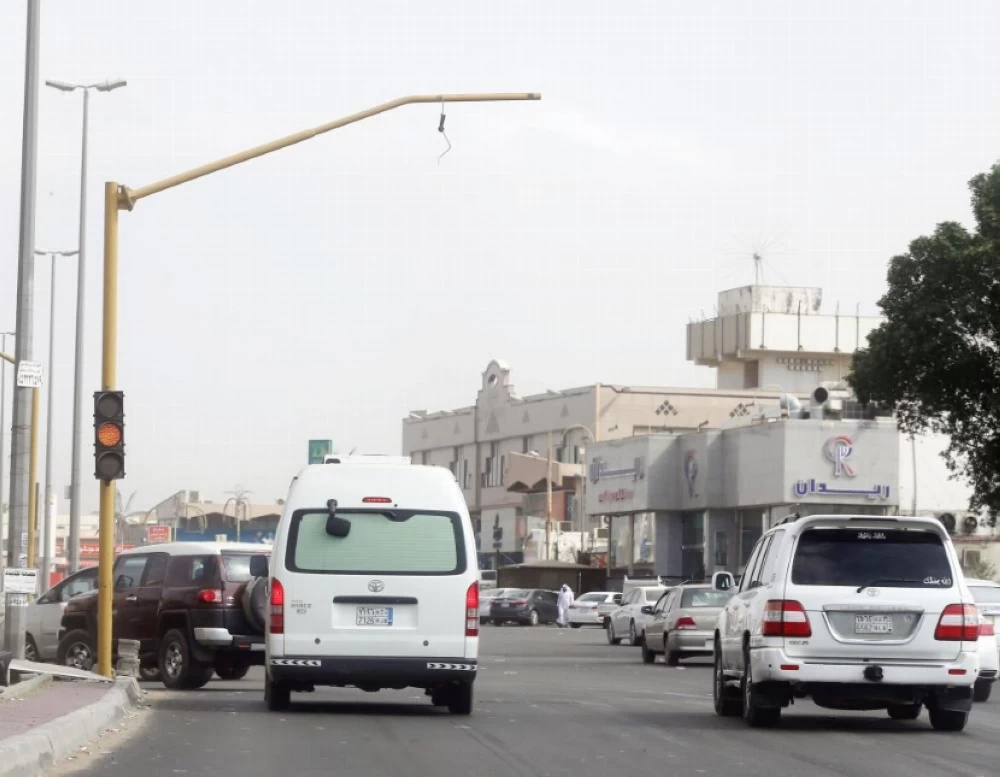
يشترط كود الطرق السعودي على مواقع مواقف السيارات على جانب الطريق ترك مسافة لا تقل عن 15 متراً بين منطقة التوقف عند الإشارة المرورية وأول موقف للسيارات عند التقاطعات المزودة بإشارات مرورية، ومسافة لا تقل عن 6 أمتار بين التقاطع وأول موقف عند التقاطعات غير المزودة بإشارات ضوئية.
كما نصّت الاشتراطات على ترك مسافة آمنة بين معابر المشاة وأول موقف للسيارات، وتقسيم المواقف الموازية بفواصل؛ لمنع تحوّل المساحات الفارغة بينها إلى مسار للمركبات.
وأوضحت الهيئة العامة للطرق أن كود الطرق السعودي يستهدف تعزيز مستوى السلامة المرورية، ورفع مستويات الأمان والكفاءة في شبكة الطرق في السعودية، وأن الكود هو المرجع الشامل لجميع الجهات المسؤولة عن قطاع الطرق من وزارات وهيئات تطوير المدن وأمانات المناطق وبلديات المدن والمحافظات، والعمل المشترك على توحيد المعايير الفنية والتشغيلية بما يُمكّن الجهات المالكة للطرق من رفع جودة أعمالها بشكل منهجي ومستدام، عبر معايير شاملة تغطي دورة حياة الطريق بجميع مراحلها، بدءاً من التصميم والإنشاء، وصولاً إلى التشغيل والصيانة المستمرة.
The Saudi Road Code requires that parking areas along the roadside maintain a distance of no less than 15 meters between the stopping area at traffic signals and the first parking space at intersections equipped with traffic lights, and a distance of no less than 6 meters between the intersection and the first parking space at intersections not equipped with traffic lights.
The regulations also stipulate leaving a safe distance between pedestrian crossings and the first parking space, as well as dividing parallel parking with separators to prevent the empty spaces between them from becoming a pathway for vehicles.
The General Authority for Roads clarified that the Saudi Road Code aims to enhance traffic safety, improve security and efficiency in the road network in Saudi Arabia, and that the code serves as the comprehensive reference for all entities responsible for the road sector, including ministries, urban development authorities, regional municipalities, and city and governorate municipalities. It promotes collaborative efforts to unify technical and operational standards, enabling road-owning entities to systematically and sustainably improve the quality of their work through comprehensive standards that cover the entire lifecycle of the road at all its stages, from design and construction to ongoing operation and maintenance.