ارتبطت الطائف بتاريخ الدولة السعودية، بوصفها مصيفاً للملوك ومقراً صيفياً لأعمال الحكومة، إذ كانت الوزارات والأجهزة الحكومية تنتقل إليها خلال أشهر الصيف، وتدار شؤون الدولة منها، وتحولت في تلك الفترة إلى وجهة تستقبل الملوك والرؤساء وكبار المسؤولين من أنحاء العالم.
منذ عهد المؤسس الملك عبدالعزيز بن عبدالرحمن آل سعود، مروراً بعهود أبنائه، احتفظت الطائف بمكانتها السياسية والإدارية، وشهدت محطات تاريخية بارزة، من بينها مبايعة ملكين على أرضها.
جو معتدل وأمطار غزيرة
أوضح أستاذ التاريخ بجامعتي أم القرى والطائف سابقاً، عضو اللجنة العلمية بمركز تاريخ الطائف، الدكتور متعب القثامي لـ«عكاظ»، أن الطائف عُرفت مصيفاً للملوك منذ أقدم الأزمنة، كما كانت مصيفاً لأهالي الحجاز والجزيرة العربية، إذ اعتاد أهالي مكة المكرمة وجدة قضاء فصل الصيف فيها، لما تتميز به من اعتدال الأجواء، وغزارة المياه، وتنوّع الإنتاج الزراعي والفواكه،
خصوصاً خلال فصل الصيف.
وقال: «الطائف، منذ دخولها تحت راية الدولة في عهد المؤسس الملك عبدالعزيز بن عبدالرحمن آل سعود عام 1343هـ، حظيت باهتمام المؤسس طيب الله ثراه، وامتد هذا الاهتمام في عهود أبنائه من بعده».
وأضاف: «بعد ذلك التاريخ، بدأ الملك عبدالعزيز والحكومة قضاء موسم الصيف في الطائف، إذ كانت تنتقل إليها الدوائر والوزارات، لتصبح العاصمة الصيفية ومركزاً لأعمال الحكومة خلال الموسم، الذي كان يمتد إلى أربعة أشهر وربما أكثر».
وأشار إلى أن الملك عبدالعزيز استمر في قضاء الصيف بالطائف، وكان يُقام له مخيم في ضاحية الحوية، بالقرب من الموقع الذي أُنشئ فيه لاحقاً قصر الملك سعود، وهو الموقع الذي أصبح اليوم ضمن مقر جامعة الطائف.
وكشف القثامي، أن الطائف تعد المدينة الوحيدة بعد الرياض التي بويع فيها ملكان، إذ بويع فيها الملك سعود عقب انتقال المؤسس الملك عبدالعزيز إلى جوار ربه، كما بويع فيها الملك فهد عقب انتقال الملك خالد إلى جوار ربه.
وبيّن، أنه بعد عهد الملك عبدالعزيز، استمرت الحكومة في قضاء فصل الصيف بالطائف في عهد الملك سعود، ثم الملك فيصل، فالملك خالد، واستمر ذلك خلال السنتين الأوليين من عهد الملك فهد.
ولفت إلى أن بعض أجهزة الدولة لا تزال مستمرة على البروتوكول الأول، وتفد إلى الطائف صيفاً، ومنها المحاكم والإفتاء، كما تشهد المحافظة خلال الصيف عدداً من المواسم والفعاليات، منها سباقات الفروسية والهجن، امتداداً لما كان حاضراً إبان قضاء الحكومة موسم الصيف فيها.
وأضاف القثامي: «كانت الطائف خلال وجود الحكومة فيها تشهد ازدحاماً وحراكاً كبيرين، ويقصدها رؤساء وملوك وزعماء ومسؤولون من مختلف دول العالم».
قصور تاريخية
المؤرخ عيسى القصير، أشار إلى أن ملوك السعودية كانوا يقيمون في الطائف خلال فصل الصيف، الذي كان يمتد إلى نحو أربعة أشهر، مشيراً إلى أن الملك فهد بن عبدالعزيز كان يقيم خلال الصيف في قصر يُعرف بـ«قصر الوالدة» بحي الخالدية، ثم انتقل إلى قصره في منطقة الشفا، واستمر ذلك حتى نهاية عام 1405هـ.
وأضاف: «تزخر الطائف بالعديد من القصور التاريخية التي تؤكد مكانة المحافظة بوصفها إحدى أقدم المدن في المملكة والمنطقة، ومن أبرزها قصر شبرا، وقصر جبرة، وقصر الكاتب وغيرها».
طراز معماري فريد
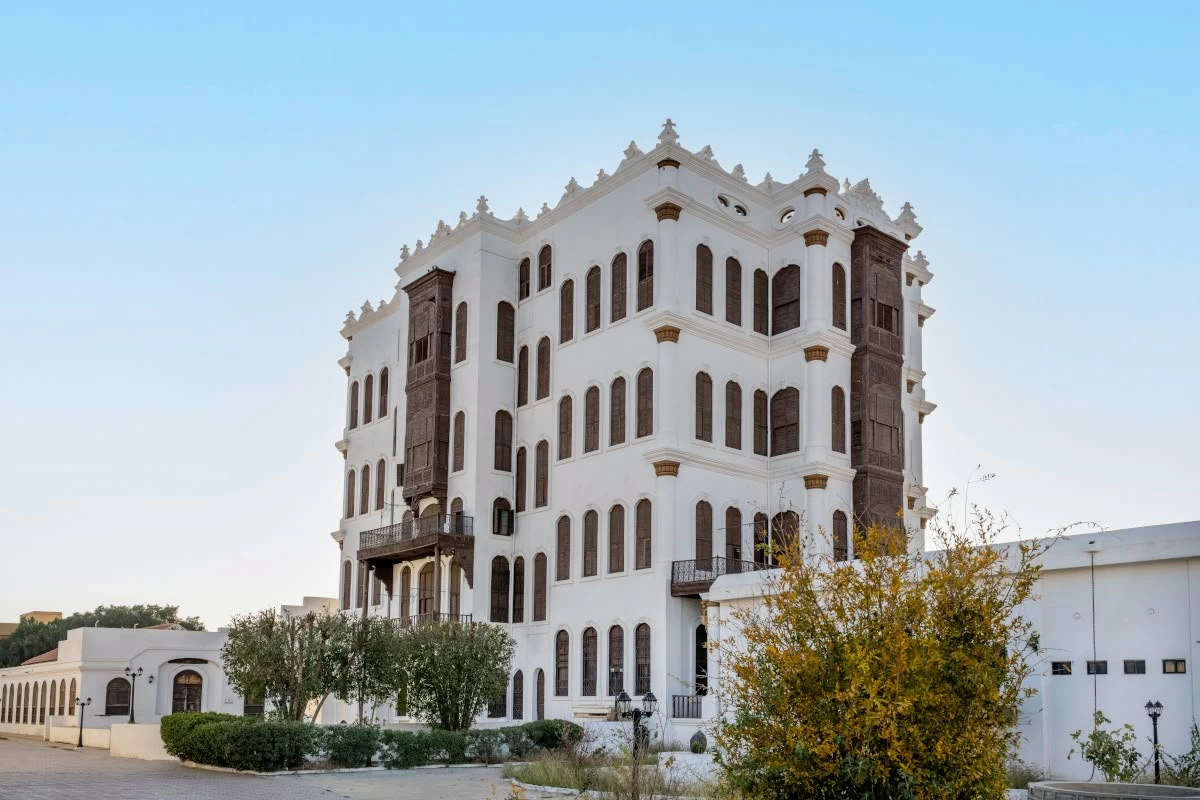
كشفت هيئة التراث، أن قصر شبرا يقع خارج سور الطائف القديم في حي شبرا، وكانت المنطقة غنية بالبساتين ووفرة المياه، وقد أمر ببناء القصر الشريف علي بن عبدالله بن عون عام 1323هـ، وبُذل في سبيل بنائه الكثير من الجهد والمال.
وأوضحت، أن القصر اكتسب شهرته بسبب طرازه المعماري الفريد الذي مزج بين الطرازين الروماني والإسلامي، ويتكوّن من المبنى الرئيسي المكون من قبو وأربعة طوابق فوقه، وملاحق تضم ديواناً للاستقبال في الناحية الشمالية من القصر، وحديقة مربعة تتوسطها نافورة، يقع خلفها مبنى مستطيل الشكل، على جانبيه غرف متقابلة بينهما ممر واسع استخدم إسطبلاً للخيل.
وارتبط تاريخ القصر بشخصيات ذات أهمية سياسية واجتماعية، وشهد كثيراً من الأحداث التي ميزته عن سائر القصور في المنطقة، إذ اتخذ منه الملك عبدالعزيز سكناً له عندما يصيف في الطائف، ثم أصبح مقراً لمجلس الوزراء في عهد الملك فيصل، وبعد ذلك مقراً رسمياً للأمير سلطان بن عبدالعزيز، وزير الدفاع والطيران آنذاك.
وفي مرحلة لاحقة، صدر أمر خادم الحرمين الشريفين الملك فهد بن عبدالعزيز آل سعود بإهداء القصر لوكالة الآثار.
Taif is linked to the history of the Saudi state, as it served as a summer resort for kings and a summer headquarters for government affairs, with ministries and government agencies relocating there during the summer months to manage state affairs. During that period, it transformed into a destination that welcomed kings, presidents, and senior officials from around the world.
Since the era of the founder King Abdulaziz bin Abdulrahman Al Saud, through the reigns of his sons, Taif has maintained its political and administrative significance and has witnessed prominent historical milestones, including the allegiance of two kings on its land.
Moderate Climate and Abundant Rainfall
Dr. Muteb Al-Qathami, a former history professor at Umm Al-Qura and Taif universities and a member of the scientific committee at the Taif History Center, explained to "Okaz" that Taif has been known as a summer resort for kings since ancient times, as well as a summer retreat for the people of Hijaz and the Arabian Peninsula. The residents of Mecca and Jeddah were accustomed to spending the summer there due to its moderate climate, abundant water, and diverse agricultural and fruit production.
Especially during the summer season.
He said: "Since Taif came under the banner of the state during the era of the founder King Abdulaziz bin Abdulrahman Al Saud in 1343 AH, it received the attention of the founder, may God have mercy on him, and this interest continued during the reigns of his sons after him."
He added: "After that date, King Abdulaziz and the government began spending the summer season in Taif, with government departments and ministries relocating there, making it the summer capital and center for government affairs during the season, which lasted for four months or more."
He pointed out that King Abdulaziz continued to spend the summer in Taif, where a camp was set up for him in the Al-Hawiya suburb, near the site where King Saud's palace was later built, which is now part of Taif University.
Al-Qathami revealed that Taif is the only city after Riyadh where two kings were pledged allegiance, as King Saud was pledged allegiance there following the passing of the founder King Abdulaziz, and King Fahd was pledged allegiance there after the passing of King Khalid.
He indicated that after the era of King Abdulaziz, the government continued to spend the summer in Taif during the reign of King Saud, then King Faisal, and King Khalid, and this continued during the first two years of King Fahd's reign.
He noted that some government agencies still adhere to the original protocol and come to Taif in the summer, including courts and fatwa offices, and the province witnesses a number of seasons and events during the summer, including horse and camel racing, continuing the traditions that were present during the government's summer season there.
Al-Qathami added: "During the government's presence in Taif, it witnessed significant crowds and activity, attracting presidents, kings, leaders, and officials from various countries around the world."
Historical Palaces
Historian Issa Al-Qaseer pointed out that the kings of Saudi Arabia used to reside in Taif during the summer, which lasted for about four months, noting that King Fahd bin Abdulaziz used to stay during the summer in a palace known as "Al-Walada Palace" in the Al-Khalidiya neighborhood, before moving to his palace in the Al-Shafa area, and this continued until the end of 1405 AH.
He added: "Taif is rich in many historical palaces that affirm the province's status as one of the oldest cities in the Kingdom and the region, among which are Shubra Palace, Jabra Palace, and Al-Katib Palace, among others."
Unique Architectural Style
The Heritage Authority revealed that Shubra Palace is located outside the old wall of Taif in the Shubra neighborhood, and the area was rich in orchards and abundant water. The palace was commissioned to be built by Sharif Ali bin Abdullah bin Aoun in 1323 AH, and a great deal of effort and money was invested in its construction.
It explained that the palace gained fame due to its unique architectural style that blends Roman and Islamic designs. It consists of a main building with a basement and four floors above it, along with annexes that include a reception hall on the northern side of the palace, and a square garden with a fountain in the center, behind which is a rectangular building, flanked by opposite rooms connected by a wide corridor that was used as a stable for horses.
The history of the palace is linked to politically and socially significant figures and has witnessed many events that distinguish it from other palaces in the region, as King Abdulaziz used it as his residence when spending summers in Taif, then it became the headquarters of the Council of Ministers during King Faisal's reign, and later a formal residence for Prince Sultan bin Abdulaziz, the Minister of Defense and Aviation at that time.
In a later phase, an order was issued by the Custodian of the Two Holy Mosques King Fahd bin Abdulaziz Al Saud to gift the palace to the Antiquities Agency.