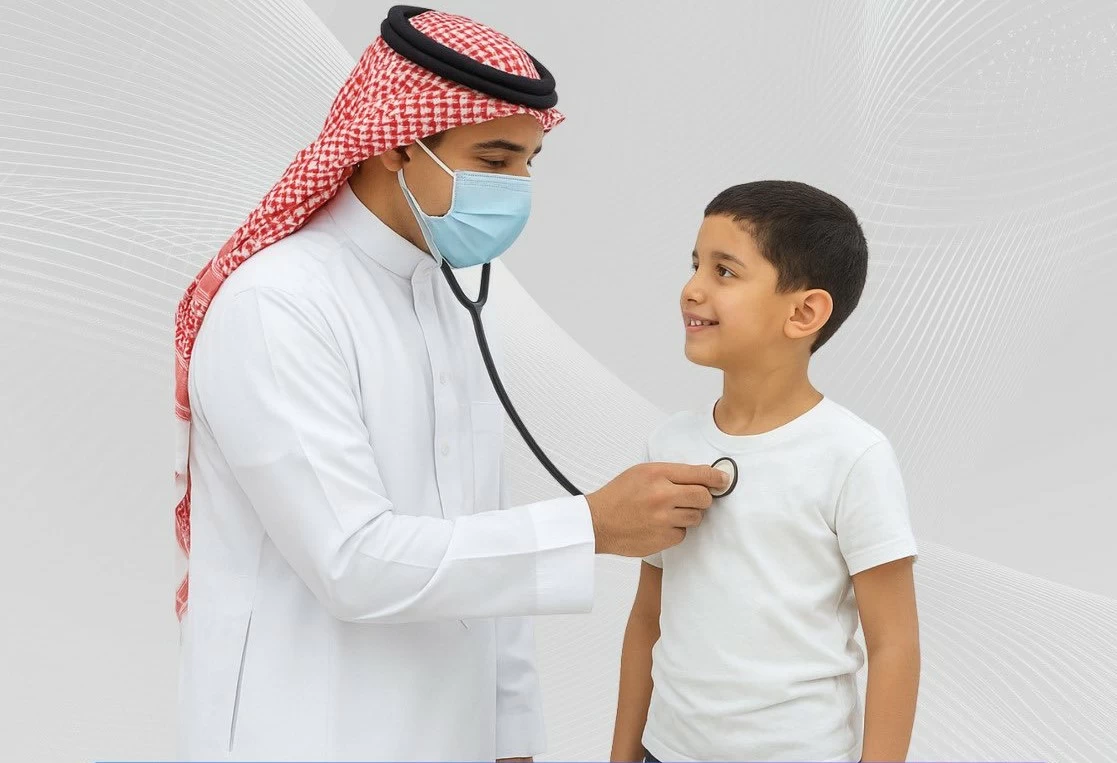
حدد دليل التعامل مع الحالات المعدية في المدارس آلية التعامل مع المرضى عند رصدها في مدارس البنين والبنات، موضحاً الإجراءات الواجب اتباعها لحماية الطلاب والعاملين والحد من انتقال العدوى.
وأوضح الدليل، الصادر عن هيئة الصحة العامة (وقاية)، بالتعاون مع وزارتي التعليم والصحة، أنه لا يتعين على المدارس فحص الطلاب أو الموظفين للكشف عن الأمراض المعدية إلا في حال وجود إرشادات خاصة بإجراء المسح والفحص للجميع بشأن مرض معين، نتيجة تفشٍّ مرضي أو ظهور جائحة.
وأشار إلى أنه يتعين إبلاغ مدير المدرسة، الذي يتولى إبلاغ الموجه الصحي لاتخاذ الإجراءات اللازمة عند ملاحظة الكادر التعليمي أعراضاً صحية عامة، غالباً ما تكون مؤشرات مبكرة للإصابة بمرض معدٍ قبل تطور الأعراض والوصول إلى التشخيص، منها: الطفح الجلدي، والصداع، والحكة، والقيء، والتعب الشديد والإرهاق، والإسهال، وارتفاع درجة الحرارة، واليرقان، والسعال، وضيق التنفس، وتشمل الإجراءات الاتصال بولي أمر الطالب لاصطحابه واستشارة الطبيب العام، وزيارة المركز الصحي عند الحاجة، مع إبقاء الطالب تحت الملاحظة داخل المدرسة بعيداً عن بقية الطلاب إلى حين وصول ولي أمره. وشدد الدليل على عدم حضور الطالب المصاب إلى المدرسة حتى شفائه سريرياً أو مخبرياً، وفق توصيات الطبيب، مع تمكينه من العودة إلى المدرسة بعد انتهاء إجازته المرضية، على أن يقدم تقريراً طبياً للمدرسة عند عودته.
The Infectious Disease Management Guide in Schools specifies the mechanism for dealing with patients when they are identified in boys' and girls' schools, outlining the procedures to be followed to protect students and staff and to limit the spread of infection.
The guide, issued by the Public Health Authority (Prevention), in collaboration with the Ministries of Education and Health, states that schools are not required to test students or staff for infectious diseases unless there are specific guidelines for screening and testing everyone regarding a particular disease, due to an outbreak or the emergence of a pandemic.
It indicated that the school principal should be informed, who will then notify the health supervisor to take the necessary actions when the educational staff notice general health symptoms, which are often early indicators of infection with a contagious disease before the symptoms develop and a diagnosis is reached. These symptoms include: rash, headache, itching, vomiting, severe fatigue and exhaustion, diarrhea, fever, jaundice, cough, and shortness of breath. The procedures include contacting the student's guardian to pick them up and consulting a general practitioner, visiting the health center if necessary, while keeping the student under observation inside the school away from other students until their guardian arrives. The guide emphasized that the infected student should not attend school until they have clinically or laboratory recovered, according to the doctor's recommendations, and they should be allowed to return to school after their sick leave ends, provided they present a medical report to the school upon their return.