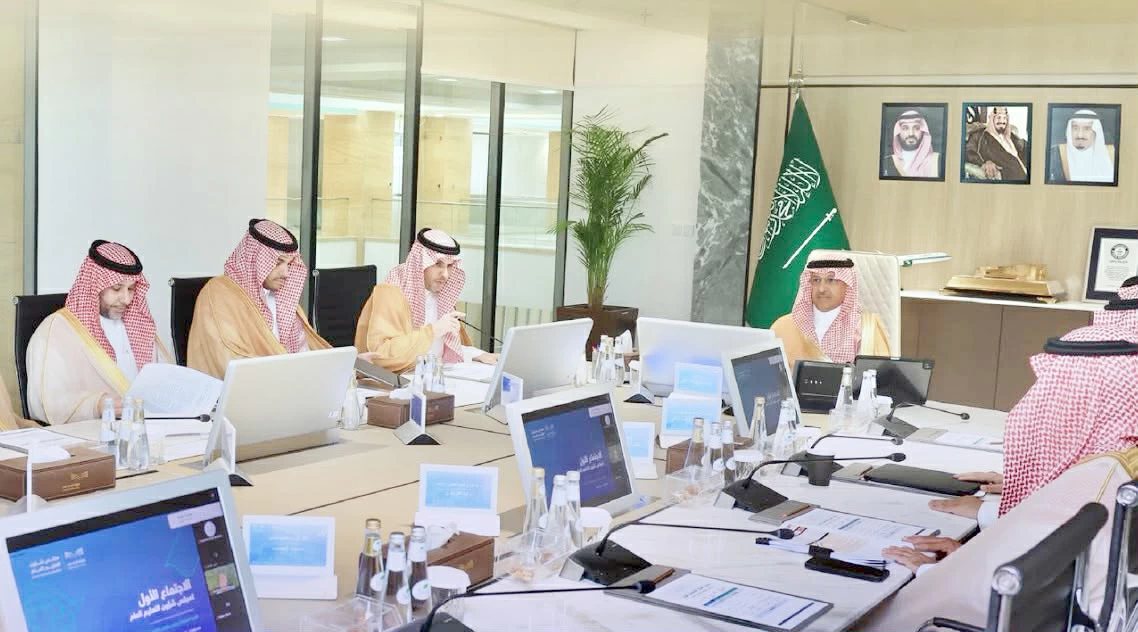
رأس وزير التعليم يوسف البنيان، الاجتماع الأول لمجلس شؤون التعليم العام، بحضور أعضاء المجلس من نواب الوزراء وممثلي الجهات ذات العلاقة.
واستعرض المجلس أربعة محاور رئيسية، شملت تكامل الأدوار بين الجهات الممثلة فيه وتوحيد الجهود في موضوعات التعليم العام، ولائحة عمل المجلس واختصاصاته وخطة أعماله، ومشروع ضوابط الإسناد للشراكة مع القطاع الخاص وغير الربحي، ومشروع اللائحة المنظمة للمؤسسات التعليمية الخاصة.
ويأتي تشكيل المجلس بموجب نظام التعليم العام، الذي وافق عليه مجلس الوزراء في شهر صفر من العام الحالي، برئاسة وزير التعليم وعضوية عدد من نواب الوزراء ورئيس هيئة تقويم التعليم والتدريب، إلى جانب أربعة مختصين في مجالات التعليم، بينهم ممثلان عن القطاعين الخاص وغير الربحي.
ويختص المجلس بإقرار الخطط والسياسات والاستراتيجيات الخاصة بالتعليم العام، وتحديد سن القبول واقتراح تعديل سنوات التعليم الإلزامي، إلى جانب تنظيم التعاقد مع المعلمين وتأهيلهم للتدريس خارج تخصصاتهم، وتنظيم المؤسسات التعليمية الخاصة والافتراضية والمراكز والاستشارات التعليمية.
كما تشمل صلاحياته تنظيم شؤون الطلاب ذوي الإعاقة والموهوبين، ومرحلتي الحضانة ورياض الأطفال، وإقرار نموذج موحد لعقود عمل المعلمين في التعليم الحكومي، والرفع بالتقويم الدراسي إلى مجلس الوزراء، فضلاً عن وضع ضوابط دعم المؤسسات التعليمية الخاصة وشغل المباني التعليمية وتشغيلها.
The Minister of Education, Yusuf Al-Bunyan, chaired the first meeting of the General Education Affairs Council, with the attendance of council members including deputy ministers and representatives of relevant entities.
The council reviewed four main axes, which included the integration of roles among the represented entities and the unification of efforts regarding general education topics, the council's work regulations and its competencies, the action plan, the project for the guidelines for partnership with the private and non-profit sectors, and the project for the regulations governing private educational institutions.
The formation of the council comes under the General Education System, which was approved by the Council of Ministers in the month of Safar of this year, chaired by the Minister of Education and including several deputy ministers, the head of the Education and Training Evaluation Commission, along with four specialists in the fields of education, including representatives from the private and non-profit sectors.
The council is responsible for approving plans, policies, and strategies related to general education, determining the age of admission, and proposing amendments to the years of compulsory education, in addition to organizing contracts with teachers and qualifying them to teach outside their specialties, as well as regulating private and virtual educational institutions and educational consulting centers.
Its powers also include organizing affairs for students with disabilities and gifted students, the nursery and kindergarten stages, approving a unified model for teachers' contracts in public education, submitting the academic calendar to the Council of Ministers, as well as establishing guidelines for supporting private educational institutions and the occupancy and operation of educational buildings.