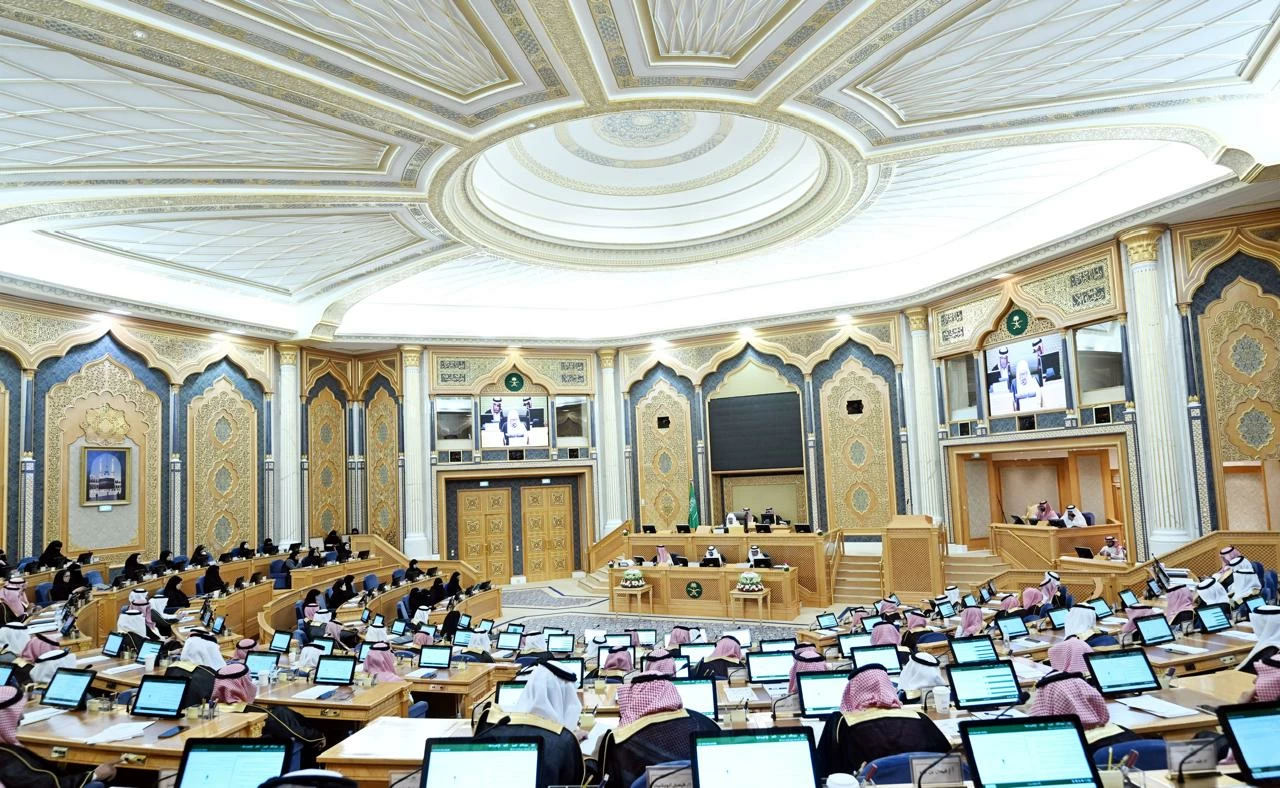
أصدر مجلس الشورى قراراً آخر طالب فيه صندوق التنمية الثقافي بمراجعة مستهدف معدل العائد الداخلي في ضوء طبيعته التنموية. ودعا المجلس خلال جلسته العادية الثانية من أعمال السنة الثالثة للدورة التاسعة المنعقدة برئاسة رئيس المجلس الدكتور عبد الله محمد آل الشيخ، صندوق التنمية الثقافي بـاعتماد إطار موحّد؛ لقياس الأثر واعتماد خطة للاستدامة المؤسسية وإدارة المعرفة تحقق الاحتفاظ بالموظفين، وتسهم في نقل الخبرات الإدارية داخل الصندوق على كافة المستويات. وتحقيق التوازن بين الأثر التنموي الثقافي والاستدامة المالية في قرارات التخصيص القطاعي والجغرافي لمحفظة التمويل.
وطالب بنك التصدير والاستيراد السعودي بـالعمل على استكمال نظم الطلبات الائتمانية للشركات وتأمين الائتمان وفق جدول زمني محدد؛ لرفع كفاءة الخدمات، وتعزيز قدرته على مواجهة تقلبات سلاسل الإمداد العالمية؛ لضمان استمرارية وصول المواد الخام ومكونات الإنتاج اللازمة للصادرات.
وناقش المجلس، التقرير السنوي لصندوق تنمية الموارد البشرية، وطالب عضو المجلس الدكتور محمد العقيل، الصندوق بإعداد وإصدار دليل موحّد ومعتمد للتعريفات، يُرفق بجميع البيانات الرقمية المنشورة، على أن يتضمن تحديدًا دقيقًا لفئات المستفيدين، والفترات الزمنية محل القياس والمقارنة، ونسبة التحول الفعلي لكل رقم مُعلن إلى توظيف مستدام للأفراد أنفسهم.
وناقش التقرير السنوي لصندوق التنمية العقارية، ودعا عضو المجلس الدكتور فيصل البواردي، الصندوق إلى تطوير مؤشر لقياس قدرة المستفيدين على تحمّل التكلفة بعد الدعم، واستخدام نتائجه في تطوير برامجه وحلوله التمويلية بما يتناسب مع قدرات المستفيدين واحتياجاتهم.
وفي نهاية المناقشات طلبت اللجان منحها مزيداً من الوقت لدراسة ما طرحه الأعضاء من آراء ومقترحات والعودة بوجهات نظرها إلى المجلس في جلسات لاحقة.
النجار لـ«عكاظ»: صندوق التنمية الصناعية بحاجة رصد التعثر
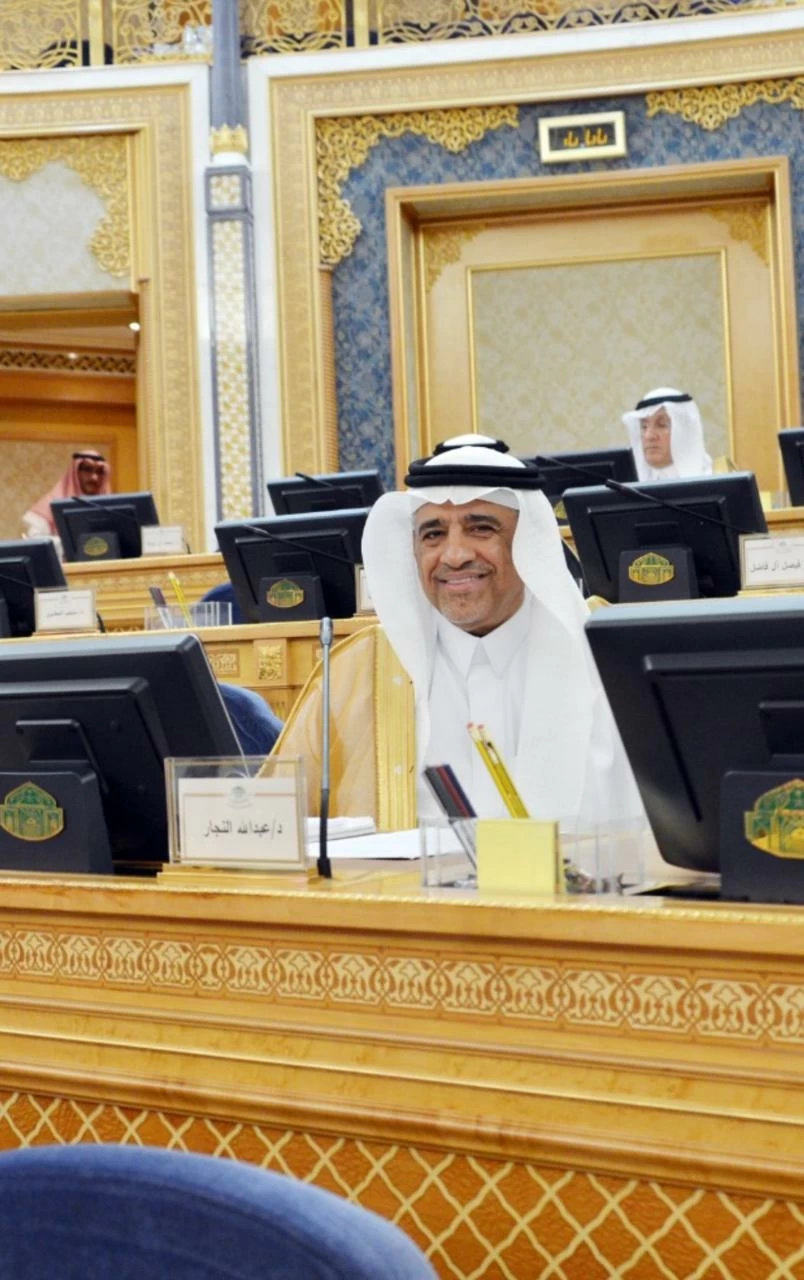
دعا عضو مجلس الشورى الدكتور عبدالله النجار خلال حديثه لـ«عكاظ»: صندوق التنمية الصناعية السعودي إلى تطوير منظومة متكاملة للإنذار المبكر والتدخل الوقائي للمشروعات الممولة لرصد مؤشرات التعثر مبكرًا واتخاذ الإجراءات التصحيحية المناسبة بما يعزّز استمرارية المشروعات وسلامة محفظة الصندوق وكفاءة استخدام موارده، والمحافظة على سلامة المحفظة التمويلية والتدخل المبكر لمعالجة المشروعات التي تواجه صعوبات قبل تحولها إلى حالات تعثر، وطالب الصندوق بتطوير أدوات قياس الأثر الاقتصادي والتنموي للمشروعات الممولة بعد الصرف وفق مؤشرات تتناسب مع طبيعة كل قطاع ومشروع، وعرض نتائج القياس ومقارنتها بالمستهدفات وخطوط الأساس ضمن تقاريره السنوية بما يعزّز توجيه موارده نحو المشروعات الأعلى أثرًا ودعم مستهدفات المرحلة الثالثة من رؤية المملكة 2030.
مدخلي لـ«عكاظ»: عقد التمويل السكني طويل الأمد
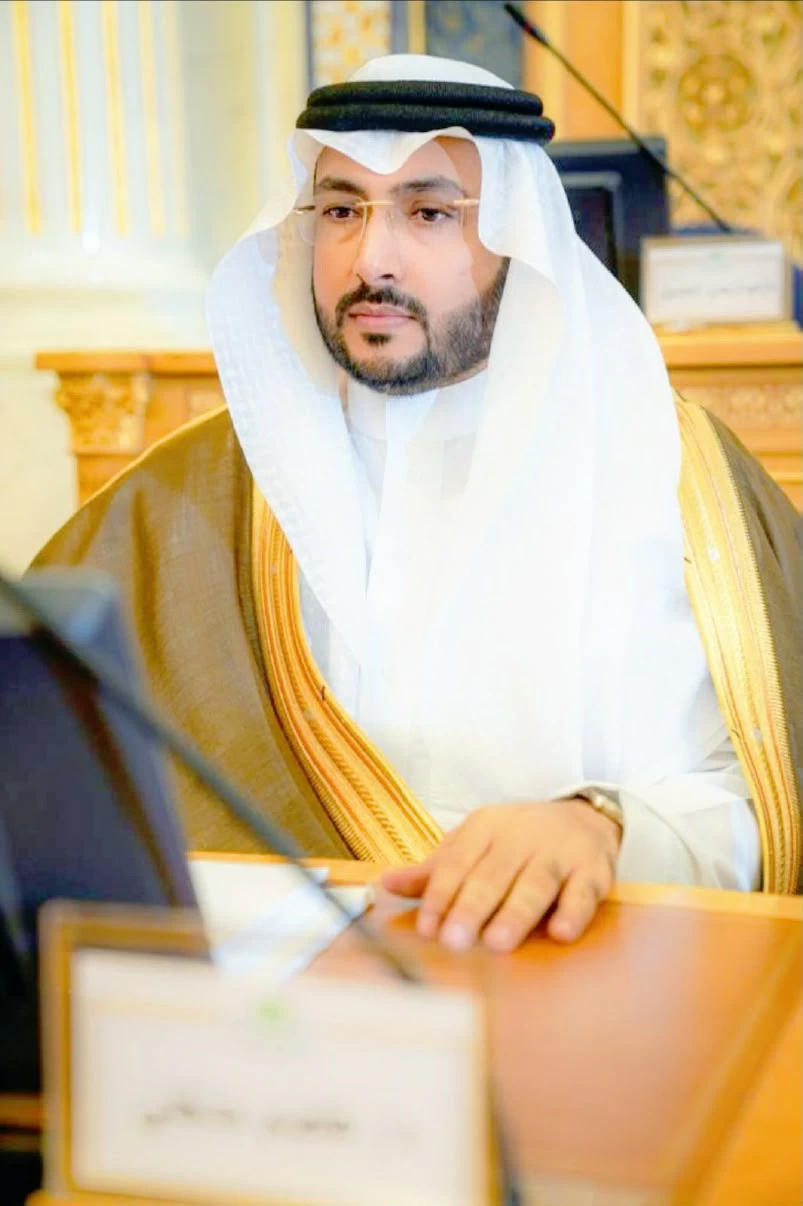
اقترح عضو المجلس الدكتور عاصم بن محمد المدخلي، على صندوق التنمية العقارية دراسة تطوير خدمة رقمية بالتنسيق مع الجهات ذات العلاقة، تحت مظلة الصندوق، تهدف إلى خدمة المواطنين الراغبين بالتمويل في مسار البناء الذاتي، وفق آلية العرض و الطلب بين المستفيدين الممولين من الصندوق، ومنشآت المقاولات الصغيرة والمتوسطة المؤهلة والمعتمدة، وتوفير آليات تعاقد واضحة، وضمانات جودة، وسداد مرحلي مرتبط بمراحل التنفيذ، وبأسعار تنافسية، ما يسهم في خفض تكاليف البناء ورفع جودته والتيسير على الأسر المستفيدة، موضحاً في حديثه لـ«عكاظ»: أن عقد تمويل السكن التزام طويل الأمد يرتبط باستقرار الأسرة، وأن هناك تحديًا قائمًا في ضبط تكلفة وارتفاع تكلفة البناء الذاتي، ما يتسبب بمعاناة بعض المواطنين المستفيدين ضمن مسار البناء الذاتي في الوصول إلى منشآت مقاولات صغيرة ذات جودة مع تكلفة معقولة في مناطقهم. ويرى أنها خدمة تتيح خيارات أوسع للمستفيدين الراغبين في التعاقد مع منشآت مقاولات صغيرة و متوسطة، وتحفّز روّاد الأعمال السعوديين في قطاع منشآت المقاولات الصغيرة والمتوسطة الوطنية باستفادتهم من التسهيلات التي يقدمها لهم الصندوق بالتنسيق مع كبار الموردين للسلع و إتاحة فرص و ضمان تحصيل مستحقاتهم آلياً من الصندوق باعتباره الضامن بين المستفيد والمنشأة.
The Shura Council issued another decision calling for the Cultural Development Fund to review the target internal rate of return in light of its developmental nature. During its second regular session of the third year of the ninth term, chaired by the Council's President Dr. Abdullah Mohammed Al Sheikh, the Council urged the Cultural Development Fund to adopt a unified framework for measuring impact and to establish a plan for institutional sustainability and knowledge management that ensures employee retention and contributes to the transfer of managerial expertise within the fund at all levels. It also emphasized achieving a balance between cultural developmental impact and financial sustainability in sectoral and geographical allocation decisions for the funding portfolio.
The Saudi Export-Import Bank was called upon to work on completing the credit application systems for companies and securing credit according to a specific timeline to enhance service efficiency and strengthen its ability to cope with fluctuations in global supply chains, ensuring the continuity of raw material and production component supplies necessary for exports.
The Council discussed the annual report of the Human Resources Development Fund, with Council member Dr. Mohammed Al-Aqeel requesting the fund to prepare and issue a unified and approved guide for definitions, to be attached to all published digital data, which should include precise specifications for beneficiary categories, the time periods for measurement and comparison, and the actual transformation rate for each announced figure into sustainable employment for the individuals themselves.
The annual report of the Real Estate Development Fund was also discussed, with Council member Dr. Faisal Al-Bawardi calling for the fund to develop an index to measure beneficiaries' ability to bear costs after support, and to use its results in developing its programs and financing solutions in line with beneficiaries' capabilities and needs.
At the end of the discussions, the committees requested more time to study the opinions and proposals raised by the members and to return with their viewpoints to the Council in subsequent sessions.
Al-Najjar to “Okaz”: The Industrial Development Fund needs to monitor defaults
Council member Dr. Abdullah Al-Najjar, during his talk with “Okaz,” called on the Saudi Industrial Development Fund to develop a comprehensive system for early warning and preventive intervention for funded projects to monitor indicators of default early and take appropriate corrective actions that enhance project continuity, the safety of the fund's portfolio, and the efficient use of its resources. He emphasized the importance of maintaining the safety of the funding portfolio and early intervention to address projects facing difficulties before they turn into default cases. He urged the fund to develop tools for measuring the economic and developmental impact of funded projects post-disbursement according to indicators that align with the nature of each sector and project, and to present measurement results and compare them with targets and baselines in its annual reports, thereby directing its resources towards projects with the highest impact and supporting the objectives of the third phase of Saudi Vision 2030.
Al-Madkhali to “Okaz”: Long-term housing finance contract
Council member Dr. Asem bin Mohammed Al-Madkhali proposed that the Real Estate Development Fund study the development of a digital service in coordination with relevant entities under the fund's umbrella, aimed at serving citizens wishing for financing in the self-construction path, according to a supply and demand mechanism between beneficiaries funded by the fund and qualified and approved small and medium contracting establishments. He suggested providing clear contracting mechanisms, quality guarantees, and phased payments linked to implementation stages, at competitive prices, which would contribute to reducing construction costs and improving quality, facilitating matters for beneficiary families. In his talk with “Okaz,” he clarified that a housing finance contract is a long-term commitment related to family stability, and that there is an ongoing challenge in controlling costs and the rising expenses of self-construction, which causes difficulties for some beneficiary citizens in accessing small contracting establishments of good quality at reasonable costs in their areas. He believes this service provides broader options for beneficiaries wishing to contract with small and medium contracting establishments and stimulates Saudi entrepreneurs in the small and medium national contracting sector by benefiting from the facilities provided to them by the fund in coordination with major suppliers of goods and enabling opportunities and ensuring the automated collection of their dues from the fund as the guarantor between the beneficiary and the establishment.