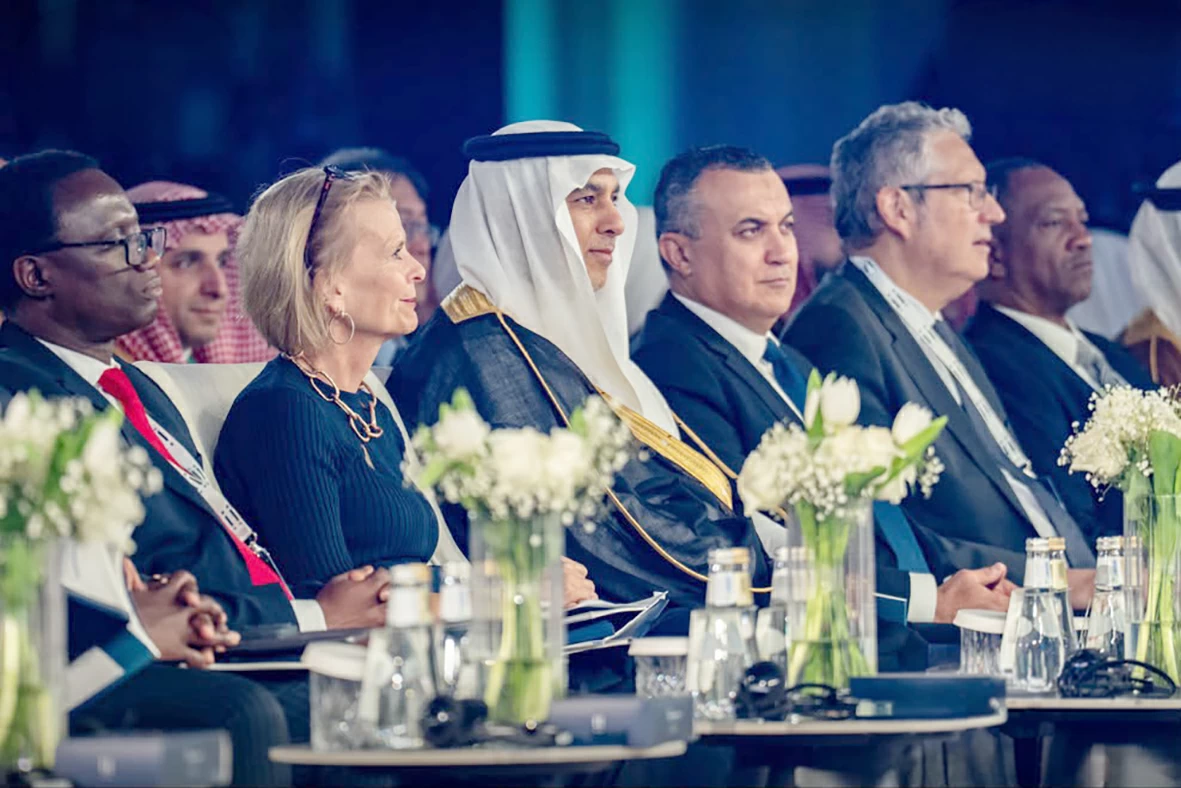
انطلقت في العاصمة الرياض، أمس، أعمال المنتدى العالمي لأخلاقيات الذكاء الاصطناعي الذي تنظمه منظمة الأمم المتحدة للتربية والعلم والثقافة (اليونسكو)، بمشاركة نخبة من الخبراء والمتخصصين وصناع السياسات من مختلف دول العالم، لمناقشة مستقبل حوكمة الذكاء الاصطناعي وتعزيز التعاون الدولي من أجل تطوير واستخدام هذه التقنيات بصورة مسؤولة وآمنة.
ويشهد المنتدى أكثر من 30 جلسة حوارية تتناول أبرز القضايا المرتبطة بأخلاقيات الذكاء الاصطناعي، وسبل بناء أطر تنظيمية وممارسات عالمية تدعم الاستخدام المسؤول لهذه التقنيات، بما يحقق التوازن بين الاستفادة من إمكاناتها المتسارعة ومواجهة المخاطر والتحديات المصاحبة لها.
كما أعلنت اليونسكو خلال المنتدى إطلاق النسخة الجديدة من أداة تقييم الجاهزية لأخلاقيات الذكاء الاصطناعي «RAM 2.0»، التي تهدف إلى دعم الدول في تقييم جاهزيتها وتطوير سياساتها وأطرها التنظيمية المتعلقة بالاستخدام المسؤول للتقنيات الحديثة.
وأكد رئيس الهيئة السعودية للبيانات والذكاء الاصطناعي (سدايا) الدكتور عبدالله شرف الغامدي، في كلمته الافتتاحية، أن المرحلة القادمة تتطلب الانتقال من مرحلة الاتفاق على المبادئ والقيم الأخلاقية إلى مرحلة التطبيق الفعلي من خلال سياسات قابلة للتنفيذ وأدوات فعالة لإدارة المخاطر وبناء القدرات المؤسسية.
وأوضح أن تسارع تطور تقنيات الذكاء الاصطناعي المتقدّمة يزيد من أهمية تحويل المبادئ المشتركة إلى إجراءات عملية تضمن الاستخدام الآمن والموثوق لهذه التقنيات، مشدّدًا على أن حوكمة الذكاء الاصطناعي يجب أن تراعي خصوصية كل دولة وثقافتها وأولوياتها التنموية، دون فرض نموذج موحد على الجميع.
واستعرض الغامدي جهود المملكة في بناء منظومة وطنية متكاملة للبيانات والذكاء الاصطناعي، شملت إنشاء «سدايا» عام 2019، وإطلاق المركز الدولي لأبحاث وأخلاقيات الذكاء الاصطناعي (ICARE)، واعتماد نظام حماية البيانات الشخصية، إضافة إلى إطلاق مبادئ أخلاقيات الذكاء الاصطناعي والإطار الوطني لإدارة مخاطر الذكاء الاصطناعي.
وفي جانب تنمية القدرات البشرية، أشار إلى أن البرامج والمبادرات الوطنية أسهمت في تأهيل أكثر من مليون مواطن ومواطنة في أساسيات الذكاء الاصطناعي، إلى جانب توسيع البرامج الأكاديمية المتخصصة في الجامعات السعودية وتعزيز مشاركة الطلبة والمعلمين في مسابقات وبرامج البرمجة والذكاء الاصطناعي. من جانبها، أكدت نائبة المدير العام لليونسكو آسا رينير أن 109 دول أعضاء، تمثل نحو 85% من سكان العالم، بدأت تطبيق توصية اليونسكو لأخلاقيات الذكاء الاصطناعي، فيما يتم تنفيذ منهجية تقييم الجاهزية (RAM) في 78 دولة بمشاركة أكثر من 20 ألف جهة وصاحب مصلحة. ويعكس انعقاد المنتدى في الرياض المكانة المتنامية للمملكة في مجال الذكاء الاصطناعي، وجهودها المستمرة لتعزيز الابتكار مع ترسيخ مبادئ الحوكمة والأخلاقيات، بما يسهم في تطوير تقنيات موثوقة تتمحور حول الإنسان وتدعم أهداف التنمية المستدامة على المستوى العالمي.
The Global Forum on Artificial Intelligence Ethics, organized by the United Nations Educational, Scientific and Cultural Organization (UNESCO), kicked off yesterday in the capital, Riyadh, with the participation of a select group of experts, specialists, and policymakers from various countries around the world to discuss the future of AI governance and enhance international cooperation for the responsible and safe development and use of these technologies.
The forum features more than 30 discussion sessions addressing key issues related to AI ethics and ways to build regulatory frameworks and global practices that support the responsible use of these technologies, achieving a balance between benefiting from their rapid potential and facing the associated risks and challenges.
UNESCO also announced during the forum the launch of the new version of the AI Ethics Readiness Assessment Tool, "RAM 2.0," which aims to support countries in assessing their readiness and developing their policies and regulatory frameworks related to the responsible use of modern technologies.
Dr. Abdullah Sharaf Al-Ghamdi, the head of the Saudi Data and Artificial Intelligence Authority (SDAIA), emphasized in his opening speech that the next phase requires moving from agreeing on ethical principles and values to actual implementation through actionable policies and effective tools for risk management and building institutional capacities.
He explained that the rapid development of advanced AI technologies increases the importance of transforming shared principles into practical measures that ensure the safe and reliable use of these technologies, stressing that AI governance must consider the privacy, culture, and developmental priorities of each country without imposing a uniform model on everyone.
Al-Ghamdi reviewed the Kingdom's efforts in building a comprehensive national system for data and artificial intelligence, which included the establishment of SDAIA in 2019, the launch of the International Center for AI Research and Ethics (ICARE), the adoption of a personal data protection system, in addition to launching AI ethics principles and the national framework for managing AI risks.
Regarding human capacity development, he noted that national programs and initiatives have contributed to qualifying more than one million citizens in the fundamentals of artificial intelligence, alongside expanding specialized academic programs in Saudi universities and enhancing the participation of students and teachers in programming and AI competitions and programs. For her part, UNESCO Deputy Director-General Asa Reinar stated that 109 member countries, representing about 85% of the world's population, have begun implementing UNESCO's recommendation on AI ethics, while the Readiness Assessment Methodology (RAM) is being implemented in 78 countries with the participation of more than 20,000 entities and stakeholders. The holding of the forum in Riyadh reflects the Kingdom's growing status in the field of artificial intelligence and its ongoing efforts to promote innovation while establishing governance and ethical principles, contributing to the development of reliable, human-centered technologies that support global sustainable development goals.