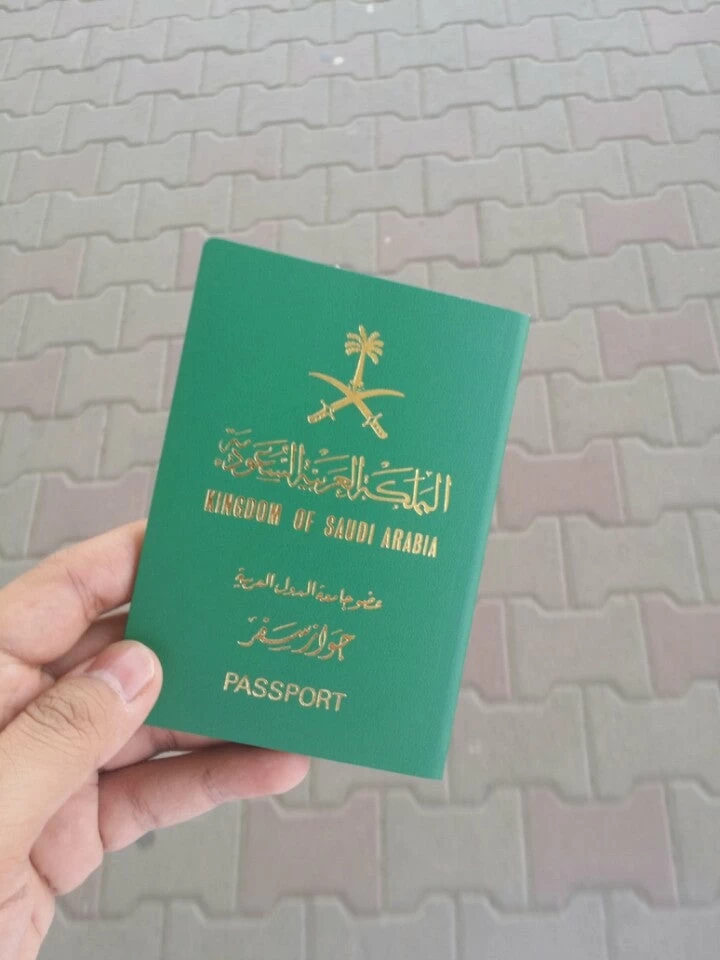
أثارت حالة مواطن سعودي مقيم في إحدى دول الخليج تساؤلات حول صلاحيات الحاضن في إصدار وتجديد جواز السفر والتصريح بالسفر للمحضون، خصوصاً عندما تكون الحاضنة أماً غير سعودية ويرفض الأب إتمام إجراءات وثيقة السفر.
بدأت الحالة باستفسار مواطن سعودي عبر إحدى منصات التواصل الاجتماعي، حيث أوضح أنه مقيم في إحدى دول الخليج، وأن والدته خليجية ووالده يرفض تجديد جواز سفره ومنحه تصريحاً بالسفر.
وأشار إلى أن والدته تملك حضانته، وتساءل عن إمكانية إنهاء إجراءات تصريح السفر وتجديد الجواز.
ورد حساب «الجوازات السعودية» لخدمة العملاء على الاستفسار بتوجيهه إلى مراجعة ممثلية المملكة العربية السعودية في بلد الإقامة للإفادة واستكمال الإجراء وفق الحالة.
شعار الجوازات السعودية. (متداولة).
صياغة صك الحضانة عامل رئيسي
يتوافق توجيه «الجوازات» مع اللائحة التنفيذية لنظام وثائق السفر، التي تنص على أن إصدار جواز السفر وتجديده والتصريح بالسفر يتم إلكترونياً، وتجيز عند تعذر ذلك مراجعة إدارات الجوازات أو ممثليات المملكة في الخارج بحسب الأحوال مع استكمال المتطلبات المنظمة.
وتكشف الحالة عن فارق نظامي مهم بين الحاضن السعودي والحاضنة الأجنبية؛ فاللائحة تجيز للحاضن أو الحاضنة السعودي الجنسية إصدار جواز سفر المحضون والسفر به أو التصريح له، بينما إذا كانت الحضانة للأم الأجنبية فإن إصدار الجواز والسفر بالمحضون أو التصريح له يتطلب أن يتضمن صك الحضانة هذا الحق صراحة، أو صدور إذن من القاضي، أو ممن يفوضه النظام.
وبالتالي، فإن وجود الحضانة وحده لا يحسم حالة الأم غير السعودية؛ إذ تصبح صياغة صك الحضانة ومضمونه عاملاً رئيسياً في تحديد صلاحيتها في إصدار الجواز أو التصريح بالسفر.
سلمان الرمالي.
الفصل بين حق الحضانة وإجراءات وثيقة السفر
وينظم نظام الأحوال الشخصية السفر بالمحضون، إذ يشترط موافقة الوالد إذا تجاوز سفر الحاضن من أحد الوالدين بالمحضون خارج المملكة 90 يوماً خلال السنة، في تأكيد على الفصل بين حق الحضانة وإجراءات وثيقة السفر والضوابط المنظمة لمدة السفر.
وتكشف الحالة أهمية مراجعة ممثليات المملكة في الخارج عند تعثر الخدمات الإلكترونية أو وجود نزاع بين الوالدين، إذ تتولى الممثلية التحقق من صك الحضانة، وصفة الحاضن، والقيود النظامية على الجواز والتصريح قبل تحديد الإجراء المناسب.
محام: رد «الجوازات» يتوافق مع التنظيم
وقال المحامي سلمان الرمالي: «إن رفض الأب لا يمنحه حقاً مطلقاً في تعطيل جواز ابنه المحضون، والفيصل في الحالة هو مضمون صك الحضانة».
وأضاف: «الأم غير السعودية إذا كان صك الحضانة الصادر لها يتضمن صراحة حق إصدار أو تجديد جواز المحضون والسفر به أو التصريح له بالسفر، فيحق لها مباشرة الإجراءات استناداً إلى الصك، أما إذا خلا الصك من هذه الصلاحية، فلا تكفي الحضانة وحدها للأم الأجنبية، ويصبح المسار النظامي هو الحصول على إذن من القاضي أو ممن يفوضه النظام، وفق ما نصت عليه المادة الثامنة من اللائحة التنفيذية لنظام وثائق السفر».
وأكد الرمالي أن توجيه الجوازات للمواطن المقيم في إحدى دول الخليج بمراجعة ممثلية المملكة يتوافق مع التنظيم، إذ تجيز اللائحة عند تعذر إتمام الإجراء إلكترونياً استكمال إصدار أو تجديد الجواز عبر ممثليات المملكة في الخارج بحسب الحالة.
The case of a Saudi citizen residing in one of the Gulf countries has raised questions about the guardian's authority in issuing and renewing the passport and granting travel permission for the ward, especially when the guardian is a non-Saudi mother and the father refuses to complete the travel document procedures.
The case began with an inquiry from a Saudi citizen via a social media platform, where he explained that he resides in one of the Gulf countries, that his mother is Gulf national, and that his father refuses to renew his passport and grant him a travel permit.
He indicated that his mother has custody of him and questioned the possibility of completing the travel permit procedures and renewing the passport.
The "Saudi Passports" customer service account responded to the inquiry by directing him to consult the Saudi Arabian embassy in his country of residence for guidance and to complete the procedures according to the situation.
شعار الجوازات السعودية. (متداولة).
The formulation of the custody document is a key factor
The directive from "Passports" aligns with the executive regulations of the travel documents system, which stipulate that issuing and renewing passports and granting travel permits are done electronically, and allow, in cases where this is not possible, to consult passport departments or Saudi representations abroad according to the circumstances while completing the organized requirements.
The case reveals an important legal difference between a Saudi guardian and a foreign guardian; the regulations allow a Saudi guardian to issue a passport for the ward and travel with them or grant them permission, whereas if the custody is with a foreign mother, issuing the passport and traveling with the ward or granting permission requires that the custody document explicitly includes this right, or that permission is obtained from a judge or someone authorized by the law.
Thus, the mere existence of custody does not resolve the situation for a non-Saudi mother; the formulation and content of the custody document become a key factor in determining her authority to issue the passport or grant travel permission.
سلمان الرمالي.
Separation between the right of custody and travel document procedures
The personal status system regulates traveling with the ward, requiring the consent of the parent if the guardian's travel with the ward outside the Kingdom exceeds 90 days within a year, emphasizing the separation between the right of custody and the procedures for travel documents and the regulations governing the duration of travel.
The case highlights the importance of consulting Saudi representations abroad when electronic services are hindered or when there is a dispute between the parents, as the representation will verify the custody document, the guardian's status, and any legal restrictions on the passport and permit before determining the appropriate procedure.
Lawyer: The response from "Passports" is in line with the regulations
Lawyer Salman Al-Ramali stated: "The father's refusal does not grant him an absolute right to obstruct his ward's passport, and the decisive factor in this case is the content of the custody document."
He added: "If the custody document issued to the non-Saudi mother explicitly includes the right to issue or renew the ward's passport and travel with them or grant them travel permission, she has the right to proceed with the procedures based on the document. However, if the document lacks this authority, custody alone is not sufficient for the foreign mother, and the legal route becomes to obtain permission from a judge or someone authorized by the law, as stipulated in Article 8 of the executive regulations of the travel documents system."
Al-Ramali confirmed that the directive from the passports authority to the citizen residing in one of the Gulf countries to consult the Saudi representation is in line with the regulations, as the regulations allow for completing the issuance or renewal of the passport through Saudi representations abroad when electronic procedures cannot be completed according to the situation.