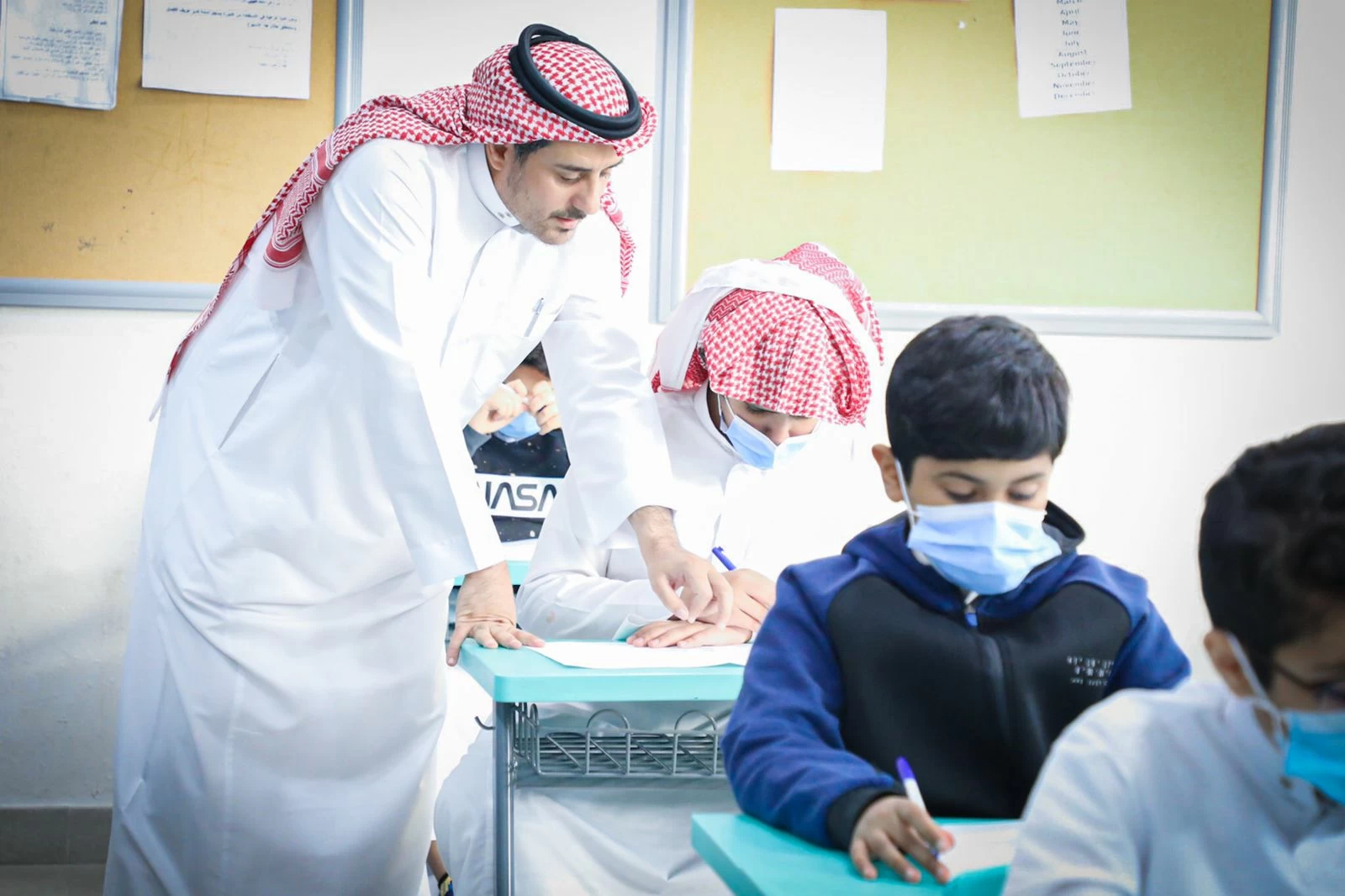
أكدت هيئة الصحة العامة (وقاية)، أن المدارس قد تكون بيئة مناسبة لانتشار الأمراض المعدية بسبب وجود أعداد كبيرة من الأشخاص من مختلف الفئات والأعمار. كما أوضح الدليل الصادر من جهات ثلاث، أن الحجر لن يُفرض إلا في حالات استثنائية وأمراض عالية الخطورة، وذلك بتوجيه من الفريق الطبي والتنسيق مع المركز الصحي.
وبينت وقاية، في دليل أصدرته بالتعاون مع وزارتي التعليم والصحة، أن العدوى التي تنتشر في البيئة المدرسية تشمل الطلاب والموظفين والعاملين، نظراً لأن هذه الفئات تتفاعل مع بعضها لفترات طويلة ولديها عادات سلوكية ومناعة مختلفة ضد الأمراض. ولتفادي الإصابة بالأمراض المعدية في المدارس، يجب فهم طريقة انتشارها وتطبيق التدابير الوقائية الصحيحة.
وأوضحت وقاية الطرق الأكثر شيوعاً لانتشار العدوى، والتي تشمل الأمراض التي تنتقل عن طريق الماء والغذاء الملوث مثل الإسهال المعدي والنزلات المعوية وفايروس الكبد (أ) والتسمم الغذائي، أو عن طريق الجهاز التنفسي مثل نزلات البرد والأنفلونزا، أو من خلال الاتصال المباشر مثل التهابات الجلد الفطرية كالقوباء والجرب أو (العنقز)، أو من خلال الاتصال غير المباشر كملامسة الأسطح أو المواد مثل أقلام الرصاص والمناديل والملابس المتسخة وأدوات المائدة الملوثة.
وأشارت «وقاية» إلى إجراءات متعددة لمكافحة العدوى والاشتباه فيها، ومنها اتباع إرشادات المسح الميداني وحصر جميع المخالطين في حال الاشتباه بوجود تفشيات وبائية وفقًا للأدلة والبروتوكولات المعتمدة وتوجيهات هيئة الصحة العامة. كما تشمل الإجراءات وضع المخالطين تحت الملاحظة الطبية حسب توصيات الفريق الطبي بالمركز الصحي والتنسيق مع المركز الصحي، وتطعيم المخالطين بهدف حمايتهم من احتمالية التفشي، مع استثناء الطلاب الذين لديهم موانع طبية، على أن يتم إبلاغ أولياء أمورهم.
The Public Health Authority (Weqaya) confirmed that schools can be a suitable environment for the spread of infectious diseases due to the presence of large numbers of people from various categories and ages. The guide issued by three entities clarified that quarantine will only be imposed in exceptional cases and for high-risk diseases, based on the direction of the medical team and coordination with the health center.
Weqaya indicated, in a guide issued in collaboration with the Ministries of Education and Health, that the infections spreading in the school environment include students, staff, and workers, as these groups interact with each other for long periods and have different behavioral habits and immunity against diseases. To avoid contracting infectious diseases in schools, it is essential to understand how they spread and to implement the correct preventive measures.
Weqaya explained the most common ways infections spread, which include diseases transmitted through contaminated water and food, such as infectious diarrhea, gastroenteritis, hepatitis A, and food poisoning, or through the respiratory system, such as colds and influenza, or through direct contact, such as fungal skin infections like impetigo, scabies, or chickenpox, or through indirect contact, such as touching surfaces or materials like pencils, tissues, dirty clothes, and contaminated utensils.
Weqaya pointed out multiple procedures to combat and suspect infections, including following field survey guidelines and identifying all contacts in case of suspected outbreaks according to the approved evidence and protocols and the directives of the Public Health Authority. The procedures also include placing contacts under medical observation according to the recommendations of the medical team at the health center and coordinating with the health center, and vaccinating contacts to protect them from the possibility of an outbreak, with exceptions for students who have medical contraindications, and their guardians should be informed.