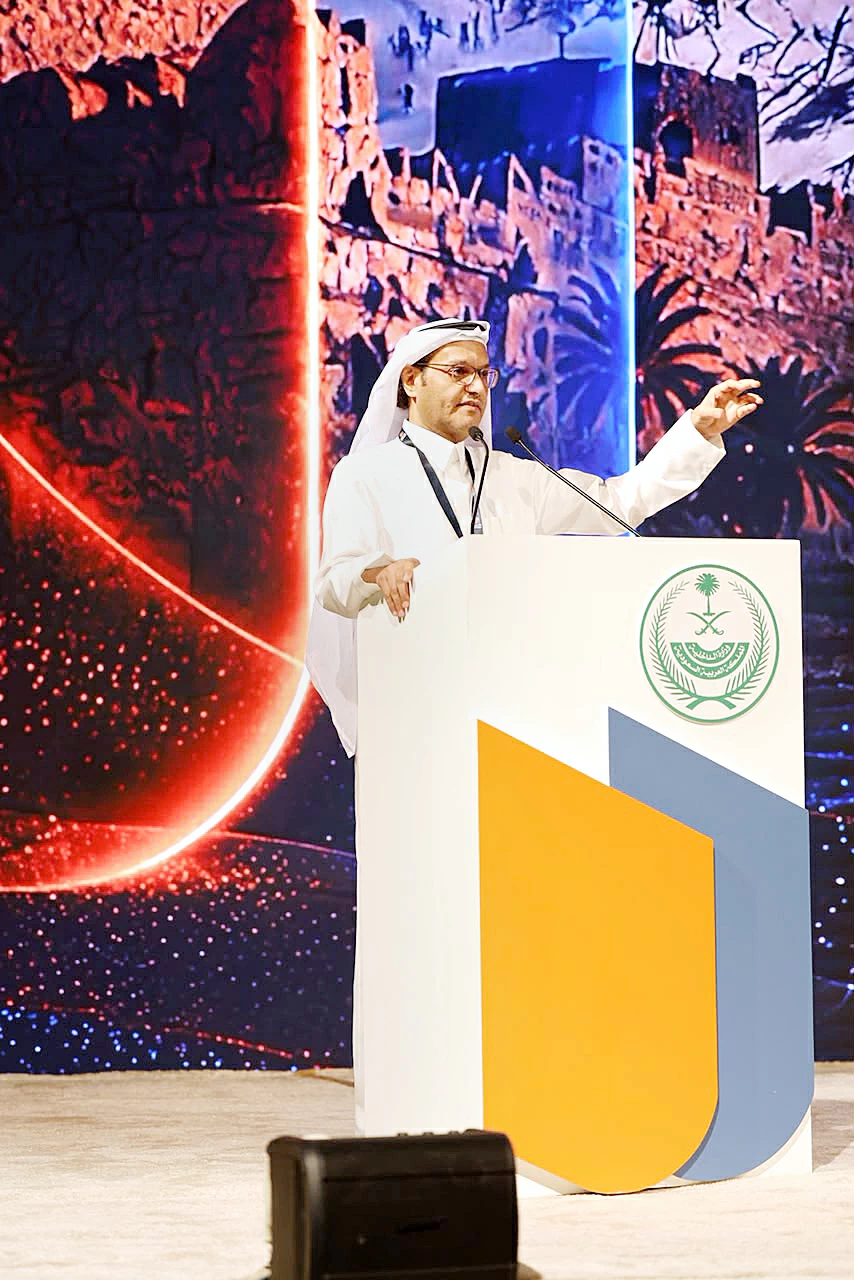
شدد رئيس تحرير صحيفة «عكاظ» والمشرف العام على صحيفة «سعودي جازيت» جميل الذيابي، على أن الصحافة السعودية أدت على مدى عقود دوراً محورياً في صناعة الوعي الوطني ومواكبة مسيرة التنمية والتحولات التي شهدتها السعودية، مؤكداً أن مسؤولية الإعلام تتضاعف اليوم مع اتساع الفضاء الرقمي وتسارع تداول المعلومات وانتشار منصات التواصل الاجتماعي.
وأوضح، خلال مؤتمر «حوار الأمن والتاريخ» في الرياض، أن قراءةً أعمق لمسيرة الأمن والنماء تُظهر كيف أسهمت الصحافة السعودية — منذ عهد الأفراد حتى عصر المؤسسات — في بناء الوعي المجتمعي وإبراز منجزات المملكة، مؤكداً أن الصحافة شريك أساسي في المجتمع، وأن قوة تأثيرها تبدأ من استقاء المعلومات من المصادر الموثوقة.
المعلومة الأمنية..المسؤولية قبل الأسبقية
وأشار الذيابي إلى أن التعامل مع المعلومة الأمنية يتطلب قدراً عالياً من المسؤولية والتوازن، إذ لا يمكن نشر كل معلومة بصورة فورية إذا كان ذلك قد يؤثر في أعمال المتابعة والتحري والإجراءات الأمنية.
وشدد على أهمية التكامل بين المؤسسات الصحفية والجهات الأمنية والمصادر الرسمية، بما يضمن وصول المعلومة الدقيقة إلى المجتمع، مؤكداً أن العمل الصحفي يقوم على ثلاثية «الأسبقية والمسؤولية والموضوعية»، وأن المسؤولية والموضوعية أصبحتا أكثر أهمية في ظل سرعة انتشار الأخبار.
وأكد، أن «الحقيقة هي الأساس في العمل الصحفي»، وأن مواجهة الشائعات والمعلومات المضللة تبدأ بالعودة إلى المصادر الموثوقة، وعدم ترك فراغ معلوماتي يسمح بانتشار الأخبار غير الدقيقة.
رؤية 2030.. توثيق المنجز وصناعة الوعي
لفت رئيس تحرير «عكاظ»، إلى أن رؤية السعودية 2030، أحدثت تحولات واسعة في مختلف المجالات، ورفعت حضور المملكة وتأثيرها إقليمياً ودولياً، ما يضع على الصحافة مسؤولية توثيق المنجز الوطني وتفسير أبعاده، لا الاكتفاء بنقل الأرقام أو الإشادة بها.
وأشار إلى أن السعودية باتت حاضرة في الملفات السياسية والاقتصادية والرياضية والثقافية والسياحية الكبرى، مستشهداً بمكانتها ضمن مجموعة العشرين، وحضورها الدبلوماسي الدولي، واستضافتها كأس العالم لكرة القدم 2034.
وتناول الذيابي التحولات السياحية، مشيراً إلى تحقيق المملكة مستهدف استقبال 100 مليون سائح محلي ودولي قبل الموعد المحدد، ورفع الطموح إلى 150 مليوناً بحلول 2030، مؤكداً أن مهمة الصحافة تتمثل في شرح قيمة هذه المؤشرات وأثرها في مستقبل المملكة.
المواطن شريك في الوعي
الذيابي، شدد على أن الوعي الوطني لا تصنعه الصحافة وحدها، بل يشارك فيه المواطن من خلال قدرته على التحقق من المعلومات قبل تداولها، لافتاً إلى أن الشباب السعودي أصبح أكثر قدرة على التعامل مع الشائعات والحملات المضللة.
وأضاف، أن مكانة السعودية وقوتها وتأثيرها تجعل مسؤولية الإعلام أكبر في تقديم الحقائق ومواجهة التضليل، وترسيخ الثقة بالمصادر الرسمية والمهنية.
المنصات الرقمية.. وصول أسرع للمعلومة
أشار الذيابي إلى أن المشهد الإعلامي لم يعد مقتصراً على الصحف، بل أصبح يشمل المواقع والمنصات الرقمية ووسائل التواصل الاجتماعي، ما يتطلب حضور الإعلام السعودي في مختلف المنصات التي يوجد فيها الجمهور.
ولفت إلى أن منصات، مثل «X» و«سناب شات» وغيرهما، أصبحت أدوات مؤثرة في الوصول إلى الملايين، إلى جانب المنصات الرسمية التي تتيح للمواطن والمقيم الحصول على المعلومات والخدمات من مصادرها، مؤكداً أن التكامل بين الإعلام والجهات الرسمية والأمنية والتقنية يعزز الوعي والثقة بالمعلومة.
الذكاء الاصطناعي لا يلغي الصحفي
الذيابي أكد، أن دور الصحافة لا ينبغي أن يتحول إلى مجرد «نسخ ولصق»، بل تكمن قيمتها في التحقيق والتحليل والتفسير والبحث عن الحلول، خصوصاً في ظل التدفق الهائل للمعلومات.
وتطرق إلى أدوات الذكاء الاصطناعي التوليدي، مثل «ChatGPT» و«Gemini»، موضحاً أنها قادرة على جمع المعلومات وتقديم الإجابات بسرعة، إلا أن نتائجها قد تتضمن أخطاء أو خلطاً في المعلومات، ما يستوجب التحقق منها والعودة إلى المصادر الأصلية.
وشدد على أن الذكاء الاصطناعي يعزز أهمية الصحفي المهني ولا يلغي دوره، إذ تظل مسؤولية التحقق والمراجعة والمقارنة بين المصادر من صميم العمل الصحفي.
الصحافة ذاكرة الوطن
أكد الذيابي، أهمية المحافظة على الذاكرة الوطنية والمرجعيات التاريخية، وتعزيز التكامل بين الإعلام والمؤسسات الأكاديمية لتوثيق مسيرة المملكة وتحولاتها وإتاحتها للأجيال القادمة.
وشدد على أن الصحافة السعودية تخوض اليوم معتركاً رقمياً يتطلب مصادر أقوى وحضوراً أوسع ورسالة وطنية أعمق، مؤكداً أن الإعلام جزء من مسيرة التحول الوطني، ومسؤوليته مواكبة منجزات المملكة ونقلها بمهنية وموضوعية إلى الداخل والخارج.
وفي ختام حديثه، أشاد الذيابي بتفاعل الحضور وشغفهم بالقضايا المطروحة، مؤكداً أن الحوار وتبادل المعرفة والخبرات يسهمان في تعزيز الوعي الوطني وترسيخ قيمة المعلومة الموثوقة.
الدور النمطي لم يعد كافياً
وأكد الذيابي، أن الصحافة السعودية مطالبة بتجديد أدواتها، موضحاً أن التحقيق الصحفي لم يعد مرتبطاً بالصحيفة الورقية، ويمكن إعادة إنتاجه في صورة خبر عبر «X»، أو محتوى عبر «سناب شات»، أو مادة مرئية عبر «يوتيوب»، بما يتناسب مع سلوك الجمهور.
وشدد على أهمية الاستثمار في التدريب والتأهيل وفتح المجال أمام طلاب الجامعات واستقطاب المواهب والكفاءات، لصناعة جيل إعلامي قادر على استخدام الأدوات الحديثة مع المحافظة على المهنية والمصداقية.
الاشتراكات المدفوعة واستدامة الصحافة
وتناول الذيابي، التحديات المالية التي تواجه المؤسسات الصحفية، مشيراً إلى أن نموذج الإيرادات تغير مع التحول الرقمي، بعدما كان يعتمد بصورة رئيسية على بيع الصحف والاشتراكات والتوزيع والإعلانات.
وأوضح، أن الإيرادات أصبحت أكثر تنوعاً، وتشمل الإعلانات الرقمية والمحتوى المدفوع والرعايات وغيرها، مؤكداً أن التوجه تدريجياً نحو الاشتراكات المدفوعة يمثل مساراً مهماً لتحقيق استدامة الصحافة المهنية، لكنه يتطلب إنتاج محتوى ذي قيمة يستحق أن يدفع الجمهور مقابله.
The Editor-in-Chief of the newspaper "Okaz" and the General Supervisor of the "Saudi Gazette," Jamil Al-Dhiyabi, emphasized that Saudi journalism has played a pivotal role over decades in shaping national awareness and keeping pace with the development journey and transformations witnessed by Saudi Arabia. He affirmed that the responsibility of the media has multiplied today with the expansion of the digital space, the rapid circulation of information, and the proliferation of social media platforms.
He explained, during the "Security and History Dialogue" conference in Riyadh, that a deeper reading of the security and growth journey shows how Saudi journalism — from the era of individuals to the institutional age — has contributed to building societal awareness and highlighting the Kingdom's achievements, stressing that journalism is a key partner in society and that its influence begins with sourcing information from reliable sources.
Security Information... Responsibility Before Priority
Al-Dhiyabi pointed out that dealing with security information requires a high degree of responsibility and balance, as not every piece of information can be published immediately if it could affect follow-up actions, investigations, and security measures.
He stressed the importance of integration between journalistic institutions, security agencies, and official sources, ensuring that accurate information reaches the community, affirming that journalistic work is based on the triad of "priority, responsibility, and objectivity," and that responsibility and objectivity have become more important in light of the rapid spread of news.
He confirmed that "truth is the foundation of journalistic work," and that confronting rumors and misleading information begins with returning to reliable sources and not leaving an informational void that allows the spread of inaccurate news.
Vision 2030... Documenting Achievements and Creating Awareness
The Editor-in-Chief of "Okaz" pointed out that Saudi Vision 2030 has brought about wide transformations in various fields, enhancing the Kingdom's presence and influence regionally and internationally, which places on journalism the responsibility of documenting national achievements and interpreting their dimensions, rather than merely conveying numbers or praising them.
He noted that Saudi Arabia has become present in major political, economic, sports, cultural, and tourism files, citing its position within the G20, its international diplomatic presence, and its hosting of the 2034 World Cup.
Al-Dhiyabi discussed the tourism transformations, indicating that the Kingdom has achieved its target of receiving 100 million local and international tourists ahead of schedule, raising the ambition to 150 million by 2030, affirming that the task of journalism is to explain the value of these indicators and their impact on the future of the Kingdom.
The Citizen as a Partner in Awareness
Al-Dhiyabi emphasized that national awareness is not solely created by journalism, but is also participated in by citizens through their ability to verify information before circulating it, pointing out that Saudi youth have become more capable of dealing with rumors and misleading campaigns.
He added that Saudi Arabia's status, strength, and influence make the media's responsibility greater in presenting facts and confronting misinformation, and in establishing trust in official and professional sources.
Digital Platforms... Faster Access to Information
Al-Dhiyabi pointed out that the media scene is no longer limited to newspapers, but now includes websites, digital platforms, and social media, which requires the presence of Saudi media across various platforms where the audience is found.
He noted that platforms like "X" and "Snapchat," among others, have become influential tools in reaching millions, alongside official platforms that allow citizens and residents to obtain information and services from their sources, affirming that the integration between media, official entities, security, and technology enhances awareness and trust in information.
Artificial Intelligence Does Not Replace Journalists
Al-Dhiyabi affirmed that the role of journalism should not turn into mere "copy and paste," but its value lies in investigation, analysis, interpretation, and seeking solutions, especially in light of the massive flow of information.
He addressed generative artificial intelligence tools, such as "ChatGPT" and "Gemini," explaining that while they can quickly gather information and provide answers, their results may contain errors or mix-ups in information, necessitating verification and returning to original sources.
He stressed that artificial intelligence enhances the importance of professional journalists and does not eliminate their role, as the responsibility for verification, review, and comparison between sources remains an integral part of journalistic work.
Journalism is the Memory of the Nation
Al-Dhiyabi emphasized the importance of preserving national memory and historical references, and enhancing integration between media and academic institutions to document the Kingdom's journey and transformations and make them available to future generations.
He stressed that Saudi journalism today is engaged in a digital arena that requires stronger sources, broader presence, and a deeper national message, affirming that media is part of the national transformation journey, and its responsibility is to keep pace with the Kingdom's achievements and convey them professionally and objectively to both domestic and international audiences.
In conclusion, Al-Dhiyabi praised the audience's interaction and their passion for the issues raised, affirming that dialogue and the exchange of knowledge and experiences contribute to enhancing national awareness and establishing the value of reliable information.
The Traditional Role is No Longer Enough
Al-Dhiyabi affirmed that Saudi journalism is required to renew its tools, explaining that journalistic investigation is no longer tied to print newspapers, and can be reproduced in the form of news via "X," or content via "Snapchat," or visual material via "YouTube," in a manner that suits audience behavior.
He stressed the importance of investing in training and qualification and opening the door for university students and attracting talents and competencies, to create a media generation capable of using modern tools while maintaining professionalism and credibility.
Paid Subscriptions and the Sustainability of Journalism
Al-Dhiyabi addressed the financial challenges facing journalistic institutions, noting that the revenue model has changed with the digital transformation, which previously relied primarily on newspaper sales, subscriptions, distribution, and advertising.
He explained that revenues have become more diverse, including digital advertising, paid content, sponsorships, and others, affirming that the gradual shift towards paid subscriptions represents an important path for achieving the sustainability of professional journalism, but it requires producing valuable content that the audience is willing to pay for.