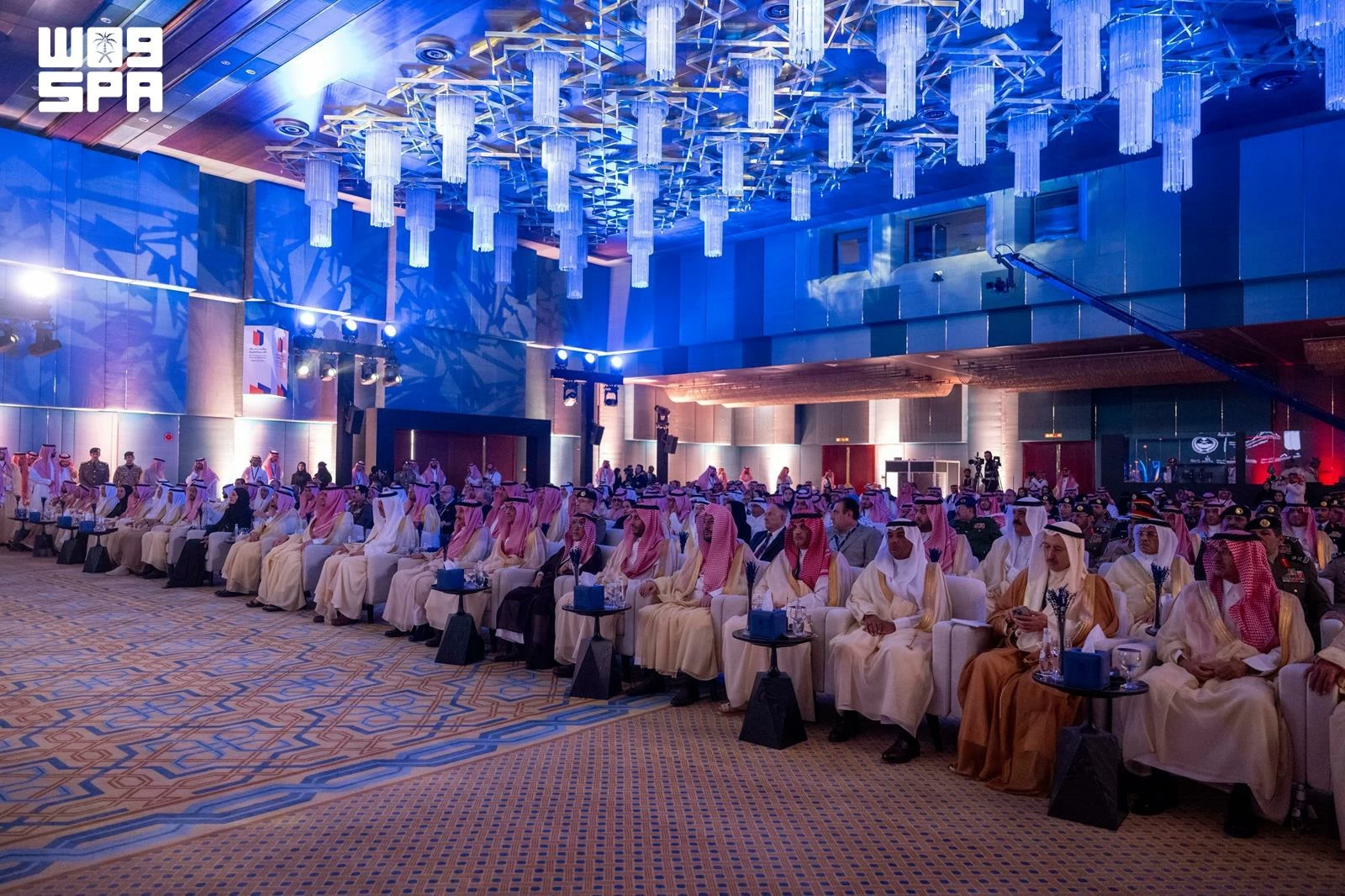
تواصلت، أمس (الإثنين)، أعمال مؤتمر «حوار الأمن والتاريخ 2026» في يومه الثاني، الذي انطلق تحت رعاية وحضور وزير الداخلية الأمير عبدالعزيز بن سعود بن نايف بن عبدالعزيز، وتنظمه وزارة الداخلية خلال الفترة من 6 إلى 8 سبتمبر في قصر الثقافة بحي السفارات في الرياض، تحت شعار «تاريخنا ومستقبلنا.. أمن ونماء»، بمشاركة أكثر من 160 متحدثاً من داخل المملكة وخارجها.
ويستحضر المؤتمر مسيرة تمتد لأكثر من 300 عام من تاريخ الأمن في الدولة السعودية، من خلال قراءة متعددة الأبعاد للتجربة السعودية وتحولاتها، واستعراض العلاقة الوثيقة بين استتباب الأمن واستدامة التنمية، وأثرهما في بناء الدولة وترسيخ الهوية الوطنية ودعم مسيرة النمو والازدهار.
وشهد اليوم الثاني، حضوراً واسعاً من الخبراء والباحثين والأكاديميين والقيادات والمسؤولين والمهتمين بالشأنين التاريخي والأمني، لمواصلة قراءة التجربة السعودية واستحضار محطاتها التاريخية، وربطها بالتحولات التنموية المتسارعة التي تشهدها المملكة.
ويأتي ذلك امتداداً لما شهدته أعمال المؤتمر في يومه الأول من جلسات ونقاشات تناولت العلاقة بين الأمن والاستقرار ومسيرة البناء والتنمية، فيما يواصل المؤتمر تقديم التاريخ بوصفه مجالاً للبحث والتحليل واستقراء التحولات، وليس مجرد سرد للأحداث، من خلال نقاشات تستحضر مسيرة الدولة السعودية وتجربتها في بناء الأمن والمؤسسات والمجتمع، وما ارتبط بها من تحولات سياسية واقتصادية واجتماعية وثقافية.
وتتركز الحوارات على إبراز الترابط بين الأمن والتنمية باعتبارهما مسارين متكاملين أسهما في ترسيخ الاستقرار وتهيئة البيئة الملائمة للنماء، وهي الرسالة التي يقوم عليها المؤتمر في نسخته الحالية، امتداداً لمنتدى «حوار الأمن والتاريخ»، الذي نظمته وزارة الداخلية عام 2025.
ويمنح تنوّع المشاركين والجلسات المؤتمر مساحة واسعة لطرح قراءات متعددة للتجربة السعودية، تجمع بين التخصصات الأمنية والتاريخية والأكاديمية، وتستفيد من الخبرات المحلية والدولية في قراءة مسيرة المملكة والتحولات التي شهدتها عبر مراحلها المختلفة.
The "Security and History Dialogue 2026" conference continued its activities yesterday (Monday) on its second day, which was launched under the patronage and presence of the Minister of Interior, Prince Abdulaziz bin Saud bin Naif bin Abdulaziz. The conference is organized by the Ministry of Interior from September 6 to 8 at the Cultural Palace in the Diplomatic Quarter in Riyadh, under the slogan "Our History and Our Future.. Security and Growth," with the participation of more than 160 speakers from within the Kingdom and abroad.
The conference recalls a journey that spans over 300 years of security history in the Saudi state, through a multidimensional reading of the Saudi experience and its transformations, showcasing the close relationship between the establishment of security and sustainable development, and their impact on building the state, reinforcing national identity, and supporting the growth and prosperity journey.
The second day witnessed a wide attendance from experts, researchers, academics, leaders, officials, and those interested in historical and security matters, to continue exploring the Saudi experience and recalling its historical milestones, linking them to the rapid developmental transformations taking place in the Kingdom.
This follows the sessions and discussions held on the first day of the conference, which addressed the relationship between security and stability and the journey of construction and development. The conference continues to present history as a field for research, analysis, and extrapolation of transformations, rather than merely recounting events, through discussions that recall the Saudi state's journey and its experience in building security, institutions, and society, along with the political, economic, social, and cultural transformations associated with it.
The dialogues focus on highlighting the interconnection between security and development as two complementary paths that have contributed to establishing stability and creating a conducive environment for growth. This is the message on which the conference is based in its current edition, extending from the "Security and History Dialogue" forum organized by the Ministry of Interior in 2025.
The diversity of participants and sessions provides the conference with a wide space to present multiple readings of the Saudi experience, combining security, historical, and academic disciplines, and benefiting from local and international expertise in analyzing the Kingdom's journey and the transformations it has witnessed through its various stages.