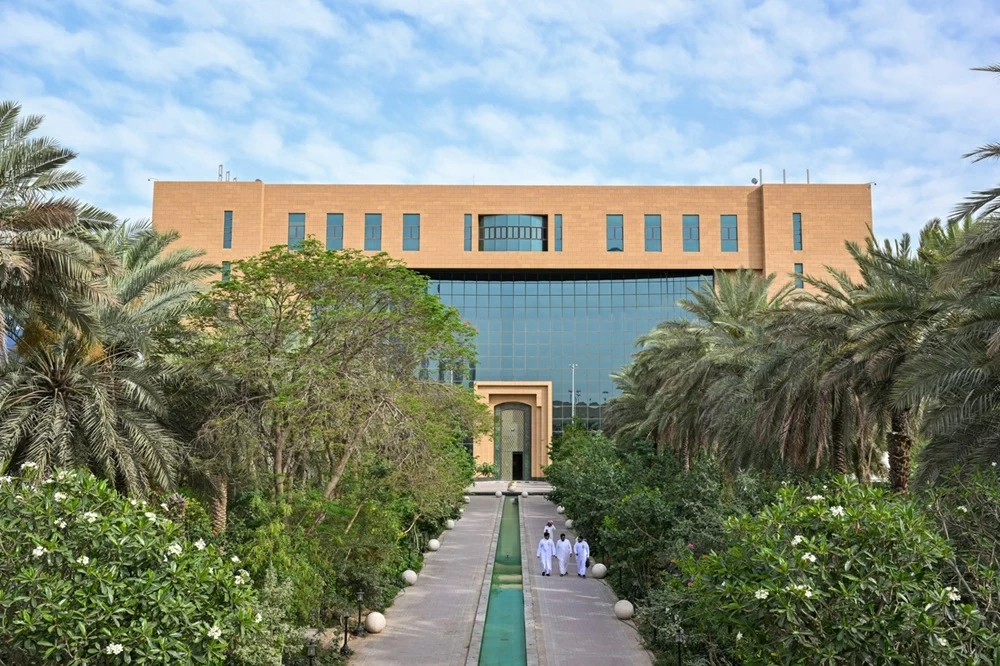
اعتمدت وزارة البلديات والإسكان الاشتراطات البلدية لمراكز البيانات التجارية، بهدف تعزيز جاهزية البنية التحتية الرقمية في المملكة، وتهيئة بيئة تنظيمية واضحة لنمو هذا القطاع الحيوي، وتسهيل رحلة المستثمر في إنشاء مراكز البيانات وتطويرها وتشغيلها وفق متطلبات موحدة وواضحة.
وتأتي الاشتراطات انطلاقًا من الدور الحيوي الذي تؤديه مراكز البيانات في الاقتصاد الرقمي؛ إذ تمثل إحدى الركائز الأساسية التي تعتمد عليها القطاعات الحكومية والخاصة في إدارة البيانات ومعالجتها وتخزينها، لدعم استمرارية الخدمات الرقمية وكفاءة الأعمال، وتعزيز قدرة المملكة على مواصلة نموها الرقمي.
تطبق الاشتراطات على مواقع مراكز البيانات التجارية المستقلة داخل النطاق العمراني أو خارجه، مع اشتراط سهولة الوصول إليها من فرق التشغيل والصيانة، وتوافر الخدمات الأساسية، مثل الكهرباء والاتصالات والنقل، إلى جانب الالتزام بأنظمة البناء المعتمدة ومتطلبات المواقف والارتدادات والارتفاعات والتشجير، وما يصدر عن الجهات ذات العلاقة من متطلبات تنظيمية.
تسهم الاشتراطات في رفع وضوح المتطلبات أمام المستثمرين وتقليل التباين في إجراءات ومتطلبات إنشاء وتشغيل مراكز البيانات، من خلال إطار تنظيمي يحدد المتطلبات المكانية والفنية والتشغيلية، ويدعم توحيد الإجراءات ومتطلبات ممارسة النشاط في مختلف مناطق المملكة.
تتضمن متطلبات الترخيص الحصول على موافقة الدفاع المدني قبل إصدار الترخيص، وتقديم سجل تجاري ساري المفعول يتضمن النشاط أو الأنشطة المطلوب ترخيصها، إضافة إلى موافقة الجهة المشرفة على النشاط، فيما تخضع إجراءات إصدار الترخيص وتجديده وتعديله وإيقافه وإلغائه لنظام إجراءات التراخيص البلدية ولائحته التنفيذية.
تلزم الاشتراطات مراكز البيانات التجارية بتطبيق متطلبات كود البناء السعودي، واعتماد أعمال التصميم والإشراف على التنفيذ من مكاتب هندسية معتمدة، إلى جانب اتباع المعايير الدولية والمحلية ذات الصلة، بما يشمل متطلبات البناء والتصميم والحماية من الحريق وأنظمة التبريد والطاقة الكهربائية والنسخ الاحتياطي، بما يعزز جودة وموثوقية واستمرارية تشغيل هذه المنشآت.
كما تتضمن الاشتراطات متطلبات للواجهات والمظهر العام، والإضاءة والأرضيات والأسقف، والوصول الشامل للأشخاص ذوي الإعاقة، والصيانة الدورية، وإدارة النفايات، وأنظمة المراقبة الأمنية، إضافة إلى إظهار الرمز الإلكتروني الموحد الذي يتيح الوصول إلى البيانات والوثائق النظامية للمنشأة.
أكدت الوزارة أن اعتماد الاشتراطات يمثل خطوة تنظيمية داعمة لنمو قطاع مراكز البيانات، من خلال توفير بيئة أكثر موثوقية واستدامة، وتحفيز الاستثمار والابتكار في تقنيات المعلومات، وتمكين البنية التحتية الرقمية من مواكبة التوسع في الخدمات الرقمية، بما يعزز تنافسية المملكة إقليميًا ودوليًا ويدعم مستهدفات رؤية السعودية 2030، مشيرةً إلى بدء العمل بها اعتبارًا من تاريخ نشرها.
The Ministry of Municipalities and Housing has adopted the municipal requirements for commercial data centers, aiming to enhance the readiness of the digital infrastructure in the Kingdom and to create a clear regulatory environment for the growth of this vital sector, facilitating the investor's journey in establishing, developing, and operating data centers according to unified and clear requirements.
The requirements come in light of the vital role that data centers play in the digital economy; they represent one of the essential pillars relied upon by government and private sectors in managing, processing, and storing data, to support the continuity of digital services and business efficiency, and to enhance the Kingdom's ability to continue its digital growth.
The requirements apply to the locations of independent commercial data centers both within and outside urban areas, with a stipulation for easy access for operation and maintenance teams, and the availability of essential services such as electricity, telecommunications, and transportation, in addition to compliance with approved building codes and requirements for parking, setbacks, heights, and landscaping, as well as any regulatory requirements issued by relevant authorities.
The requirements contribute to clarifying the requirements for investors and reducing the variance in the procedures and requirements for establishing and operating data centers, through a regulatory framework that defines the spatial, technical, and operational requirements, and supports the unification of procedures and requirements for practicing the activity across different regions of the Kingdom.
Licensing requirements include obtaining approval from the Civil Defense before issuing the license, and providing a valid commercial registration that includes the activity or activities to be licensed, in addition to obtaining approval from the supervising authority for the activity, while the procedures for issuing, renewing, amending, suspending, and canceling the license are subject to the municipal licensing procedures system and its executive regulations.
The requirements mandate commercial data centers to apply the Saudi Building Code, and to have the design and supervision of implementation approved by accredited engineering offices, in addition to following relevant international and local standards, including requirements for construction, design, fire protection, cooling systems, electrical energy, and backup systems, which enhances the quality, reliability, and continuity of operation of these facilities.
The requirements also include stipulations for facades and overall appearance, lighting, flooring, ceilings, accessibility for people with disabilities, regular maintenance, waste management, and security monitoring systems, in addition to displaying the unified electronic code that allows access to the data and regulatory documents of the facility.
The ministry confirmed that the adoption of these requirements represents a supportive regulatory step for the growth of the data center sector, by providing a more reliable and sustainable environment, stimulating investment and innovation in information technologies, and enabling the digital infrastructure to keep pace with the expansion of digital services, thereby enhancing the Kingdom's competitiveness regionally and internationally and supporting the objectives of Saudi Vision 2030, noting that work will commence based on these requirements as of the date of their publication.