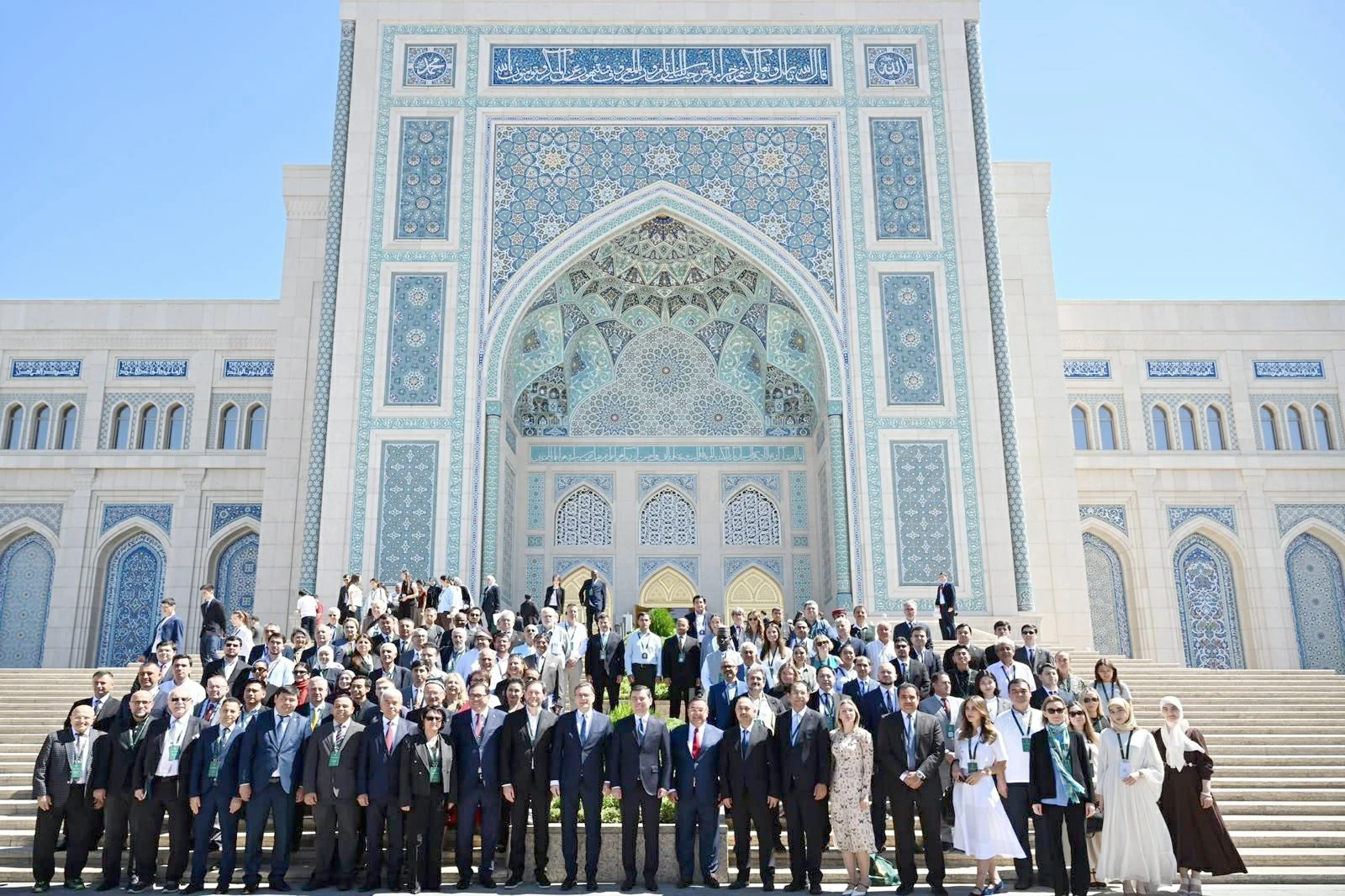
انطلقت في العاصمة الأوزبكية طشقند، أمس، فعاليات المنتدى الإعلامي الدولي «الحضارة الإسلامية: منظور جديد - اكتشافات جديدة»، بمشاركة نحو 300 إعلامي وخبير من 50 دولة، لاستكشاف أساليب حديثة للتعريف بإسهامات الحضارة الإسلامية وإرثها العلمي والفكري والثقافي. ويجمع المنتدى، الذي تستضيفه أوزبكستان في مركز الحضارة الإسلامية، ممثلين عن وسائل إعلام وشركات تلفزيونية وإذاعية ومطبوعات ووكالات أنباء دولية، إلى جانب صحفيين ومخرجين ومنتجين وناشرين وباحثين ومتخصصين في الصناعات الإبداعية والتقنيات الحديثة. ويركز المنتدى على توظيف الأفلام الوثائقية والنشر والذكاء الاصطناعي والتقنيات الرقمية والمتحفية في تقديم المخطوطات والمقتنيات التاريخية وإسهامات العلماء والمفكرين المسلمين للجمهور العالمي بلغة إعلامية معاصرة. كما يتضمّن جلسات نقاشية وعروضاً وثائقية ومشروعات إعلامية ونشر دولية، إلى جانب لقاءات مهنية وتوقيع اتفاقيات تعاون، فيما يتيح للمشاركين الاطلاع على مقتنيات ومخطوطات مركز الحضارة الإسلامية واستكشاف فرص إنتاج أعمال إعلامية مشتركة.
ويضم المركز مجموعات من المخطوطات والمقتنيات التاريخية ومعارض تفاعلية، من أبرزها مصحف عثمان، المدرج ضمن برنامج «ذاكرة العالم» التابع لليونسكو.
The international media forum "Islamic Civilization: A New Perspective - New Discoveries" kicked off yesterday in the Uzbek capital, Tashkent, with the participation of around 300 media professionals and experts from 50 countries, to explore modern methods of introducing the contributions of Islamic civilization and its scientific, intellectual, and cultural heritage. The forum, hosted by Uzbekistan at the Center for Islamic Civilization, brings together representatives from media outlets, television and radio companies, publications, and international news agencies, alongside journalists, directors, producers, publishers, researchers, and specialists in creative industries and modern technologies. The forum focuses on utilizing documentaries, publishing, artificial intelligence, and digital and museum technologies to present manuscripts and historical artifacts, as well as the contributions of Muslim scholars and thinkers to the global audience in a contemporary media language. It also includes discussion sessions, documentary screenings, international media projects and publications, as well as professional meetings and the signing of cooperation agreements, while allowing participants to view the collections and manuscripts of the Center for Islamic Civilization and explore opportunities for producing joint media works.
The center houses collections of manuscripts and historical artifacts, along with interactive exhibitions, the most notable of which is the Uthman Quran, included in UNESCO's "Memory of the World" program.