تجسد مسيرة المملكة العربية السعودية الإنسانية، منذ تأسيسها، نهجاً راسخاً في البذل والإغاثة ومساندة المحتاجين، إذ تجاوز إجمالي ما قدمته من مساعدات إنسانية وتنموية 145 مليار دولار أمريكي، من خلال تنفيذ 8,997 مشروعاً في 175 دولة، لتواصل حضورها ضمن أكبر الدول المانحة عالمياً.
وحققت المملكة في 2025، المرتبة الثانية عالمياً والأولى عربياً بين الدول المانحة للمساعدات الإنسانية والإغاثية، وفق منصة التتبع المالي التابعة للأمم المتحدة (FTS)، كما تصدرت الدول المانحة للمساعدات الإنسانية المقدمة لليمن، بإسهام بلغ 49.3% من إجمالي المساعدات المقدمة لها.
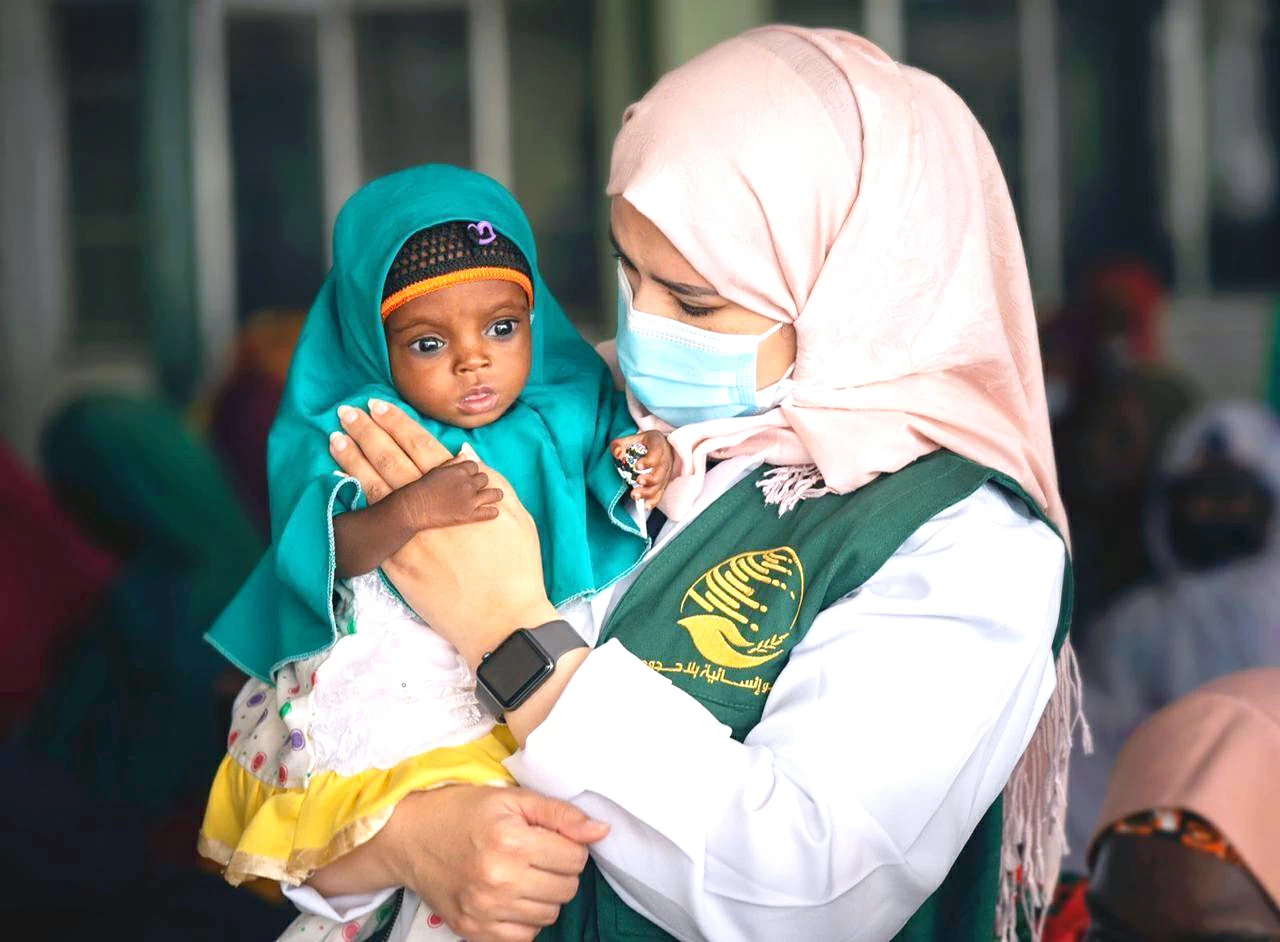
ويعد مركز الملك سلمان للإغاثة والأعمال الإنسانية أحد أبرز أذرع المملكة في العمل الإنساني، إذ نفذ منذ تأسيسه 2015، أكثر من 4,425 مشروعاً في 113 دولة، بتكلفة تجاوزت 8 مليارات دولار، شملت قطاعات الغذاء والصحة والتعليم والمياه والإيواء وغيرها.
وحظيت اليمن بنصيب كبير من الدعم، إذ نفذ المركز فيها 1,219 مشروعاً تجاوزت قيمتها 4.785 مليار دولار، إلى جانب مشروعات نوعية، أبرزها مشروع «مسام»، الذي أسهم في نزع أكثر من 585 ألف لغم، ومشروع «كفاك» لإعادة تأهيل الأطفال المجندين والمتأثرين بالنزاع.
وفي قطاع غزة، شملت الاستجابة السعودية تشغيل مطبخ مركزي ينتج 24 ألف وجبة يومياً، وتسيير جسرين جوي وبحري وصلا حتى الآن إلى 84 طائرة و8 بواخر، حملت أكثر من 7,750 طناً من المساعدات، إلى جانب تسليم 20 سيارة إسعاف وتوقيع اتفاقيات إغاثية بقيمة 90.35 مليون دولار.
وامتد الدعم إلى دول عدة، بينها سورية التي شهدت تنفيذ 523 مشروعاً بقيمة تجاوزت 584 مليون دولار، وباكستان بـ353 مشروعاً تجاوزت قيمتها 228 مليون دولار، والسودان بـ279 مشروعاً تجاوزت 192 مليون دولار، ولبنان بـ73 مشروعاً تجاوزت 92 مليون دولار.
وفي المجال الطبي، يواصل البرنامج السعودي للتوائم الملتصقة مسيرته منذ 1990، إذ قيّم 158 حالة من 28 دولة في 5 قارات، وأجرى 72 عملية فصل ناجحة، مع تحمل تكاليف العلاج والتأهيل والنقل والاستضافة للتوائم وذويهم.
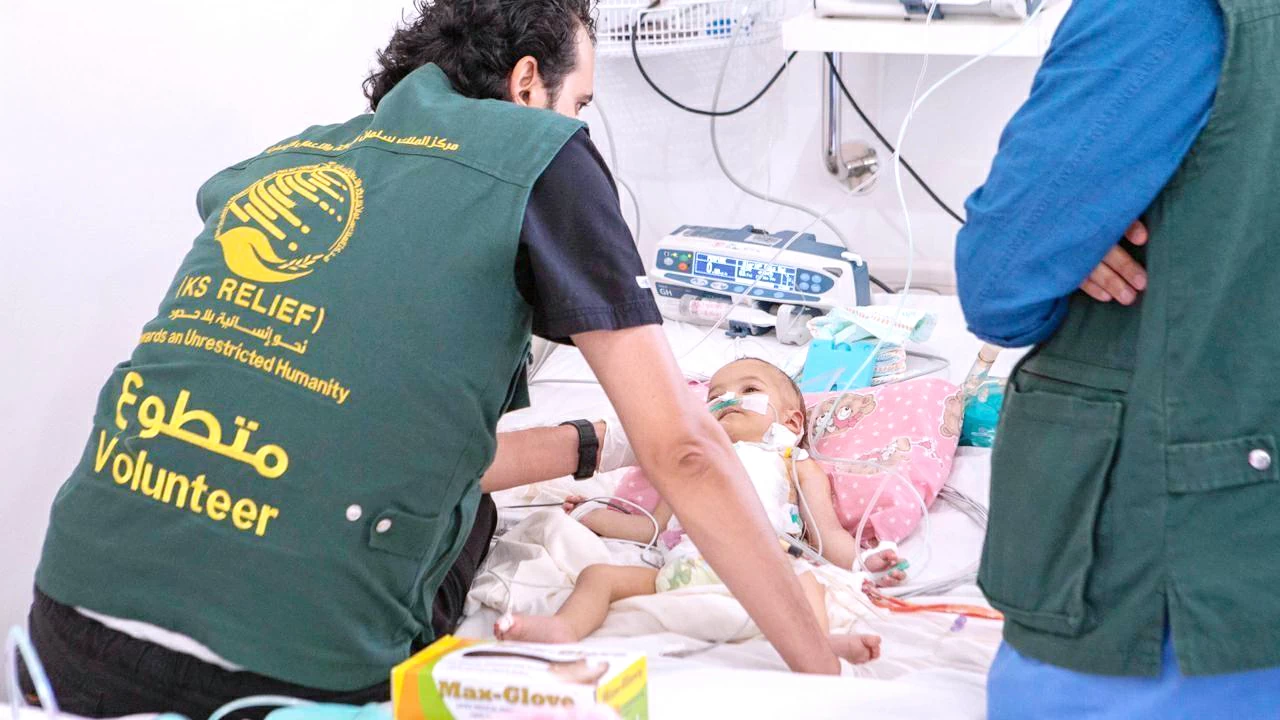
كما نفذ المركز 1,435 برنامجاً تطوعياً شارك فيها أكثر من 84 ألف متطوع ومتطوعة في 59 دولة، استفاد منها أكثر من 2.8 مليون شخص، فيما أجرت الفرق الطبية التطوعية أكثر من 270 ألف عملية جراحية. وتتوج هذه المسيرة في اليوم العالمي للعمل الإنساني، الذي يصادف 19 أغسطس من كل عام، لتؤكد المملكة من خلال مبادراتها الإغاثية والتنموية والطبية والتطوعية، أن العمل الإنساني لديها نهج مستدام يضع الإنسان وكرامته في صدارة الاهتمام، ويمتد أثره إلى مختلف أنحاء العالم.
The humanitarian journey of the Kingdom of Saudi Arabia, since its establishment, embodies a steadfast approach to giving, relief, and supporting those in need. The total amount of humanitarian and developmental aid it has provided has exceeded 145 billion US dollars, through the implementation of 8,997 projects in 175 countries, continuing its presence among the largest donor countries globally.
In 2025, the Kingdom achieved the second position globally and the first position Arab-wise among the countries donating humanitarian and relief aid, according to the United Nations Financial Tracking Service (FTS). It also topped the list of donor countries for humanitarian aid provided to Yemen, contributing 49.3% of the total aid given to it.
The King Salman Humanitarian Aid and Relief Center is one of the most prominent arms of the Kingdom in humanitarian work, having implemented more than 4,425 projects in 113 countries since its establishment in 2015, with costs exceeding 8 billion dollars, covering sectors such as food, health, education, water, shelter, and others.
Yemen received a significant share of the support, with the center implementing 1,219 projects valued at over 4.785 billion dollars, alongside qualitative projects, the most notable of which is the "Masam" project, which contributed to the removal of more than 585,000 landmines, and the "Kafaak" project for rehabilitating child soldiers and those affected by conflict.
In the Gaza Strip, the Saudi response included operating a central kitchen producing 24,000 meals daily, and managing two air and sea bridges that have so far delivered 84 planes and 8 ships, carrying more than 7,750 tons of aid, in addition to delivering 20 ambulances and signing relief agreements worth 90.35 million dollars.
The support extended to several countries, including Syria, where 523 projects were implemented with a value exceeding 584 million dollars, Pakistan with 353 projects valued at over 228 million dollars, Sudan with 279 projects exceeding 192 million dollars, and Lebanon with 73 projects exceeding 92 million dollars.
In the medical field, the Saudi program for conjoined twins has continued its journey since 1990, having assessed 158 cases from 28 countries across 5 continents, and performed 72 successful separation surgeries, covering the costs of treatment, rehabilitation, transportation, and hosting for the twins and their families.
The center has also implemented 1,435 volunteer programs involving more than 84,000 male and female volunteers in 59 countries, benefiting over 2.8 million people, while volunteer medical teams conducted more than 270,000 surgical operations. This journey culminates on World Humanitarian Day, which falls on August 19 each year, reaffirming that the Kingdom, through its relief, developmental, medical, and volunteer initiatives, views humanitarian work as a sustainable approach that places human dignity at the forefront of its concerns, with its impact extending to various parts of the world.