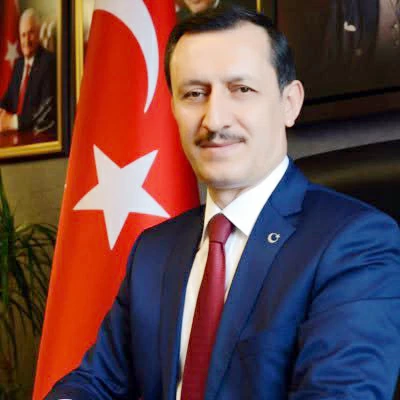
أكد سفير الجمهورية التركية لدى السعودية الدكتور أمر الله إيشلر، أن «اتفاقية مكة للدفاع المشترك» بين المملكة وتركيا وباكستان، تمثل خطوة مهمة نحو تعزيز التعاون الدفاعي والأمن الجماعي بين الدول الثلاث، وتدعم السلام والاستقرار على المستويين الإقليمي والدولي.
وأوضح السفير إيشلر، في حوار مع «عكاظ»، أن الاتفاقية تقوم على مبدأ الدفاع الجماعي، وتنص على أن أي عمل عدواني مسلح ضد إحدى الدول الثلاث سيُعد عدواناً عليها جميعاً، مشدّداً في الوقت ذاته على طبيعتها الدفاعية، وأنها لا تستهدف أي دولة أخرى أو تسعى إلى بناء قدرات هجومية.
وكشف السفير التركي، عن إنشاء مقر قيادة مشتركة في المملكة، لتنسيق التعاون العسكري بين الدول الثلاث، مؤكداً أن الاتفاقية لا تنشئ تكتلاً مغلقاً، وأن إطارها يظل مفتوحاً أمام دول المنطقة التي تحترم القانون الدولي وتشترك في هدف بناء منطقة مستقرة وآمنة ومزدهرة.
وتناول السفير في الحوار مستقبل العلاقات السعودية–التركية، والتنسيق بين الرياض وأنقرة تجاه ملفات المنطقة، إلى جانب التعاون الاقتصادي ومشروع مقترح للسكك الحديدية يربط المملكة بتركيا عبر الأردن وسورية، وفي ما يلي نص الحوار:
اتفاقية مكة تعزيز لدفاع مشترك
• بدايةً.. بعد توقيع «اتفاقية مكة للدفاع المشترك» كيف تنظر تركيا إلى هذه الاتفاقية؟ وما الذي تمثله للدول الثلاث؟
•• تعد اتفاقية الدفاع المشتركة التي وُقّعت خلال القمة الثلاثية بين تركيا والمملكة العربية السعودية وباكستان خطوة مهمة نحو تعزيز التعاون الدفاعي بين الدول الثلاث، وفي الوقت نفسه تعزيز أمنها الجماعي ودعم السلام والاستقرار والازدهار على المستويين الإقليمي والعالمي.
• ما المبدأ الذي تقوم عليه اتفاقية مكة؟ وما المقصود عملياً بالدفاع الجماعي بين الدول الثلاث؟
•• المبدأ الأساسي للاتفاقية هو الدفاع الجماعي، وتنص على أن أي عمل عدواني مسلّح ضد أي دولة من الدول الثلاث، يُعتبر عدواناً ضد الدول الثلاث جميعاً.
مواجهة التهديدات المشتركة
• العلاقات العسكرية والأمنية بين السعودية وتركيا وباكستان قائمة منذ سنوات.. ما الذي تضيفه الاتفاقية الجديدة؟
•• تتمتع الدول الثلاث بعلاقات إستراتيجية قوية، واتفاقية الدفاع المشتركة تضيف إلى هذا التعاون القائم بُعداً أمنياً ودفاعياً أكثر قوة. وهي تتيح فرصة لتحسين القدرات الدفاعية المشتركة وتعزيز الردع وتنسيق منظومات الدفاع في مواجهة التهديدات المشتركة، بما في ذلك الإرهاب والتهديدات التي تمس سلامة الأراضي.
طبيعة الاتفاقية الدفاعية
• هل نحن أمام تحالف عسكري جديد يمكن أن يكون موجهاً ضد دولة أو طرف بعينه؟
•• من المهم التأكيد على أن الاتفاقية ذات طابع دفاعي، ولا تستهدف بناء قدرات هجومية أو توجيه أي عمل ضد أي دولة أخرى، وإنما تهدف من خلال توظيف القدرات والإمكانات المشتركة إلى تعزيز الاستقرار والقدرة على التنبؤ والردع، إلى جانب صون سيادة الدول الأعضاء وتعزيز أمنها والإسهام في ترسيخ الاستقرار في المنطقة.
تنظيم التعاون العسكري
• الاتفاقية تنص على تعاون عسكري وثيق.. كيف سيجري تنظيم هذا التعاون بين الدول الثلاث؟
•• سيتم إنشاء مقر قيادة مشتركة جديد في المملكة العربية السعودية، لتنسيق التعاون العسكري بين الدول الثلاث، في إطار تعاون عسكري وثيق ومرن.
بناء منطقة مستقرة
• هل يؤثر هذا الإطار الدفاعي الجديد على الالتزامات والتحالفات القائمة للدول الثلاث؟
•• اتفاقية الدفاع المشتركة لا تحل محل أي التزامات ثنائية أو متعددة الأطراف معمول بها حالياً ولا تلغيها، وإنما تهدف إلى أن تكون مكملة للترتيبات الأمنية القائمة على المستويين الإقليمي والدولي.
ليست تكتلاً مغلقاً
• هل تقتصر اتفاقية مكة على السعودية وتركيا وباكستان، أم أنها قابلة للتوسع؟
•• العلاقات الإستراتيجية القائمة بين الدول الثلاث وفّرت أساساً طبيعياً لهذه الاتفاقية، إلا أن هذا الإطار يظل مفتوحاً أمام الدول الإقليمية الأخرى التي تحترم القانون الدولي وتشترك في هدف بناء منطقة مستقرة وآمنة ومزدهرة.
التزام وشراكة متساوية
• هناك من قد ينظر إلى الاتفاقية باعتبارها نواة لتكتل جديد في المنطقة.. كيف تردون على ذلك؟
•• الاتفاقية لا تهدف إلى إنشاء تكتل حصري أو مغلق. وهي تقوم على مبادئ السيادة والالتزام المتبادل والشراكة المتساوية، بما يتوافق مع ميثاق الأمم المتحدة والقانون الدولي. والهدف هو تعزيز التعاون الإقليمي والتكامل الشامل وبناء مستقبل أكثر سلاماً وأمناً للمنطقة.
العلاقات السعودية –التركية
• بعيداً عن الجانب الدفاعي، كيف تصفون مسار العلاقات بين الرياض وأنقرة خلال السنوات الأخيرة؟
•• تطورت العلاقات التركية–السعودية بسرعة خلال السنوات الثلاث الماضية، مدعومة بزيارات رفيعة المستوى. وتشترك تركيا والمملكة العربية السعودية، باعتبارهما فاعلين إقليميين مهمين، في رؤى متقاربة بشأن العديد من القضايا الإقليمية والعالمية، وتعملان بنشاط على تنسيق مواقفهما وجهودهما تجاه مجموعة واسعة من القضايا.
• في ضوء اتفاقية مكة والتطور المتسارع في العلاقات الثنائية، كيف تنظرون إلى مستقبل الشراكة السعودية–التركية؟
•• ما تحقق يعكس الشراكة الإستراتيجية المتنامية بين تركيا والمملكة، والالتزام المشترك بالمساهمة في استقرار وأمن المنطقة، مع تعزيز التعددية والوساطة والدبلوماسية. وننظر إلى هذا التعاون باعتباره جزءاً من العمل لبناء منطقة أكثر استقراراً وأمناً وازدهاراً.
تنسيق لمعالجة القضايا المتعددة
• ما أبرز الملفات التي يظهر فيها التنسيق بين البلدين؟
•• هناك تنسيق بشأن عدد من القضايا، بما في ذلك غزة وسورية والعراق والسودان والصومال واليمن. كما عملت تركيا والسعودية، إلى جانب باكستان، بشكل وثيق على تهدئة التوترات بين إيران والولايات المتحدة.
• هل يواكب التعاون الاقتصادي هذا التقارب السياسي والدفاعي؟
•• نعم، أُطلقت مشاريع مشتركة في مجالَي النقل والربط الإقليمي، وهناك توجه نحو تعزيز التعاون بما يخدم المصالح الاقتصادية والتنموية المشتركة.
تطورات مشروع الربط البري
• تحدثتم عن مشروع للربط البري بين السعودية وتركيا.. إلى أين وصل؟
•• تُجرى حالياً مناقشات فنية بشأن مشروع لسكة حديدية تمتد من المملكة وتصل إلى تركيا عبر الأردن وسورية، بما يتيح ربط بلدينا براً.
The Turkish Ambassador to Saudi Arabia, Dr. Amrullah Eshler, confirmed that the "Makkah Agreement for Joint Defense" between the Kingdom, Turkey, and Pakistan represents an important step towards enhancing defense cooperation and collective security among the three countries, supporting peace and stability at both regional and international levels.
Ambassador Eshler explained, in an interview with "Okaz," that the agreement is based on the principle of collective defense and stipulates that any armed aggressive act against any of the three countries will be considered aggression against all of them, emphasizing at the same time its defensive nature and that it does not target any other country or seek to build offensive capabilities.
The Turkish ambassador revealed the establishment of a joint command headquarters in the Kingdom to coordinate military cooperation among the three countries, confirming that the agreement does not create a closed bloc and that its framework remains open to regional countries that respect international law and share the goal of building a stable, secure, and prosperous region.
The ambassador discussed the future of Saudi-Turkish relations, the coordination between Riyadh and Ankara regarding regional issues, as well as economic cooperation and a proposed railway project linking the Kingdom to Turkey via Jordan and Syria. Below is the text of the interview:
The Makkah Agreement: A Strengthening of Joint Defense
• To begin with, after signing the "Makkah Agreement for Joint Defense," how does Turkey view this agreement? What does it represent for the three countries?
•• The joint defense agreement signed during the trilateral summit between Turkey, Saudi Arabia, and Pakistan is an important step towards enhancing defense cooperation among the three countries, while simultaneously strengthening their collective security and supporting peace, stability, and prosperity at both regional and global levels.
• What is the principle upon which the Makkah Agreement is based? What does collective defense among the three countries practically mean?
•• The fundamental principle of the agreement is collective defense, which states that any armed aggressive act against any of the three countries is considered aggression against all three.
Confronting Common Threats
• Military and security relations between Saudi Arabia, Turkey, and Pakistan have existed for years. What does the new agreement add?
•• The three countries enjoy strong strategic relations, and the joint defense agreement adds a more robust security and defense dimension to this existing cooperation. It provides an opportunity to enhance joint defense capabilities, strengthen deterrence, and coordinate defense systems in the face of common threats, including terrorism and threats to territorial integrity.
The Nature of the Defense Agreement
• Are we witnessing a new military alliance that could be directed against a specific country or party?
•• It is important to emphasize that the agreement is defensive in nature and does not aim to build offensive capabilities or direct any actions against any other country. Rather, it aims to enhance stability, predictability, and deterrence through the utilization of shared capabilities and resources, while preserving the sovereignty of member states and enhancing their security, contributing to the establishment of stability in the region.
Organizing Military Cooperation
• The agreement stipulates close military cooperation. How will this cooperation be organized among the three countries?
•• A new joint command headquarters will be established in the Kingdom of Saudi Arabia to coordinate military cooperation among the three countries within a framework of close and flexible military collaboration.
Building a Stable Region
• Does this new defense framework affect the existing commitments and alliances of the three countries?
•• The joint defense agreement does not replace any existing bilateral or multilateral commitments nor does it cancel them. Instead, it aims to complement the existing security arrangements at both regional and international levels.
Not a Closed Bloc
• Is the Makkah Agreement limited to Saudi Arabia, Turkey, and Pakistan, or is it expandable?
•• The existing strategic relations among the three countries provide a natural basis for this agreement, but this framework remains open to other regional countries that respect international law and share the goal of building a stable, secure, and prosperous region.
Commitment and Equal Partnership
• Some may view the agreement as a nucleus for a new bloc in the region. How do you respond to that?
•• The agreement does not aim to create an exclusive or closed bloc. It is based on the principles of sovereignty, mutual commitment, and equal partnership, in accordance with the United Nations Charter and international law. The goal is to enhance regional cooperation, comprehensive integration, and build a more peaceful and secure future for the region.
Saudi-Turkish Relations
• Away from the defense aspect, how would you describe the trajectory of relations between Riyadh and Ankara in recent years?
•• Turkish-Saudi relations have rapidly developed over the past three years, supported by high-level visits. Turkey and Saudi Arabia, as important regional actors, share close visions on many regional and global issues and actively work to coordinate their positions and efforts on a wide range of matters.
• In light of the Makkah Agreement and the accelerating developments in bilateral relations, how do you view the future of the Saudi-Turkish partnership?
•• What has been achieved reflects the growing strategic partnership between Turkey and the Kingdom, and the mutual commitment to contribute to the stability and security of the region, while enhancing plurality, mediation, and diplomacy. We view this cooperation as part of the effort to build a more stable, secure, and prosperous region.
Coordination to Address Multiple Issues
• What are the main issues where coordination between the two countries is evident?
•• There is coordination on several issues, including Gaza, Syria, Iraq, Sudan, Somalia, and Yemen. Turkey and Saudi Arabia, along with Pakistan, have also worked closely to ease tensions between Iran and the United States.
• Is economic cooperation keeping pace with this political and defense rapprochement?
•• Yes, joint projects have been launched in the fields of transportation and regional connectivity, and there is a trend towards enhancing cooperation that serves mutual economic and developmental interests.
Developments in the Land Connectivity Project
• You mentioned a project for land connectivity between Saudi Arabia and Turkey. What is the current status?
•• Technical discussions are currently underway regarding a railway project extending from the Kingdom to Turkey via Jordan and Syria, facilitating land connectivity between our two countries.