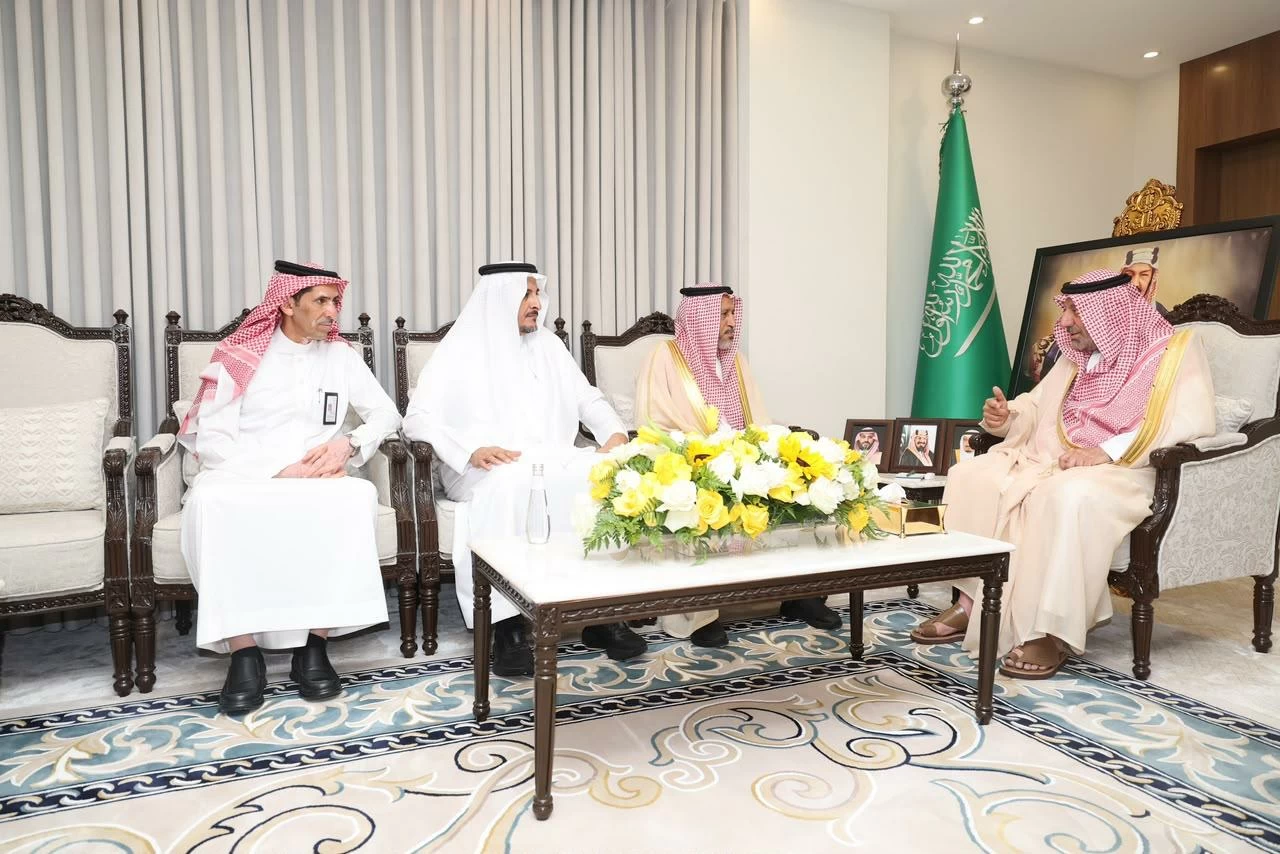
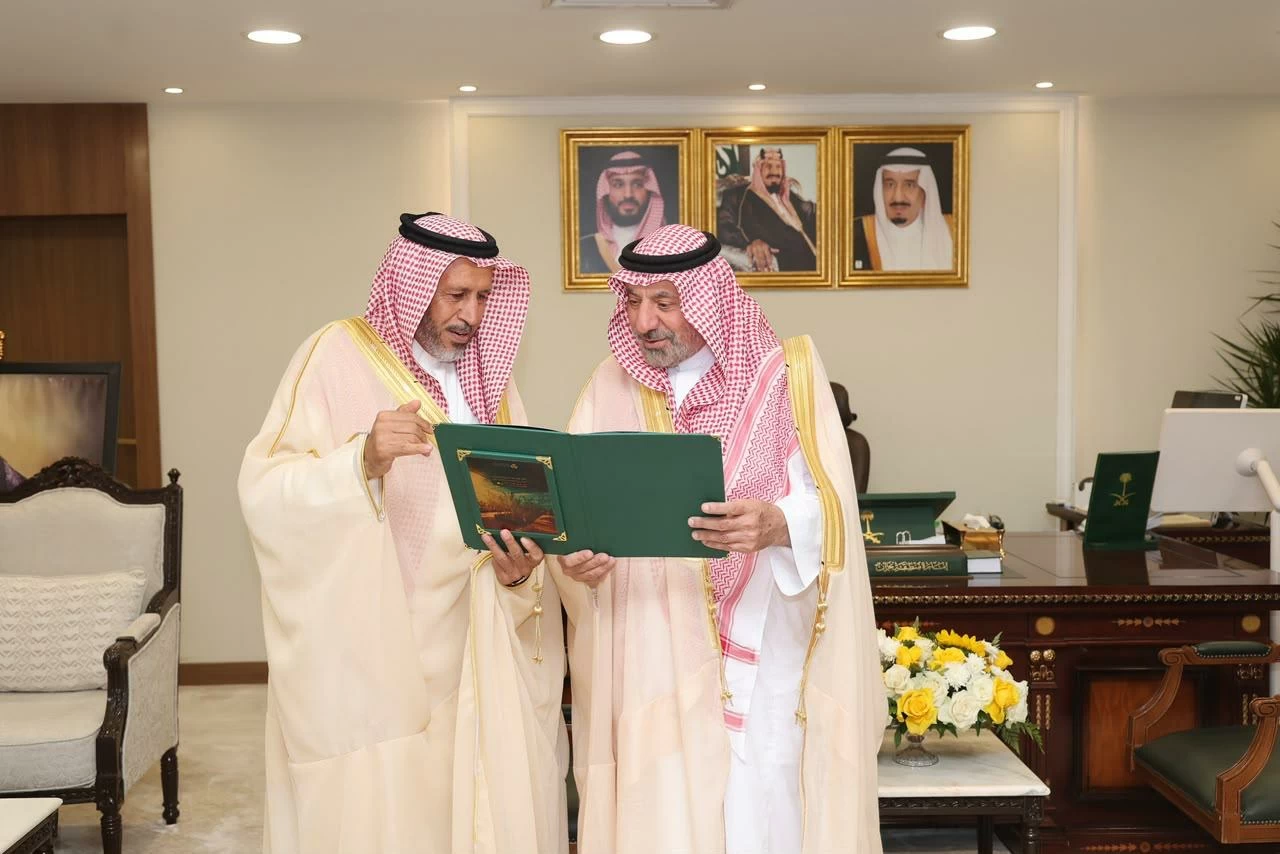
اطّلع أمير منطقة نجران الأمير جلوي بن عبدالعزيز بن مساعد على نتائج دراسة إكثار أصناف نخيل التمر النادرة والمميزة بالمنطقة، التي تأتي متابعةً لتوجيهه بدراسة هذه الأصناف والعمل على إكثارها والمحافظة عليها من الاندثار.
وأكد أمير منطقة نجران أهمية المحافظة على الأصناف الزراعية المحلية النادرة، والاستفادة من التقنيات الحديثة في إكثارها، بما يعزّز استدامة الموارد الزراعية ويحافظ على التنوع الزراعي الذي تتميز به المنطقة.
جاء ذلك خلال لقائه، في مكتبه مدير فرع المركز الوطني لأبحاث وتطوير الزراعة المستدامة بمنطقة نجران المهندس سالم بن محسن بالحارث، والعديد من منسوبي الفرع. واستعرض الأمير جلوي بن عبدالعزيز مراحل الدراسة التي شملت تنفيذ مسوحات ميدانية لمزارع النخيل وأسواق التمور بالمنطقة، لتحديد الأصناف المميزة وجمع عيناتها وإكثارها باستخدام تقنية زراعة الأنسجة النباتية.
واستمع أمير نجران إلى شرح قدّمه المشرف على الدراسة عن نتائج الإكثار النسيجي المهندس يوسف آل جريب، حيث أسفرت عن وجود أكثر من 359 فسيلة من الأصناف النادرة والمميزة، كما اطّلع على خطة الانتقال بالمشروع إلى مرحلة الزراعة الحقلية، وتجهيز الحقل النموذجي لزراعة أصناف نخيل نجران النادرة خلال العروة الخريفية لعام 2026.
وأعرب المهندس بالحارث عن شكره لأمير منطقة نجران على دعمه واهتمامه بالمشروعات البحثية والزراعية التي تسهم في المحافظة على الأصناف المحلية وتنمية القطاع الزراعي بالمنطقة.
The Prince of Najran, Prince Jalwa bin Abdulaziz bin Musaid, was briefed on the results of the study on the propagation of rare and distinctive date palm varieties in the region, which follows his directive to study these varieties and work on propagating them and preserving them from extinction.
The Prince of Najran emphasized the importance of preserving rare local agricultural varieties and benefiting from modern technologies in their propagation, which enhances the sustainability of agricultural resources and maintains the agricultural diversity that characterizes the region.
This came during his meeting in his office with the director of the branch of the National Center for Research and Development of Sustainable Agriculture in Najran, Engineer Salem bin Mohsen Al-Balharith, and several staff members of the branch. Prince Jalwa bin Abdulaziz reviewed the stages of the study, which included conducting field surveys of date palm farms and date markets in the region to identify the distinctive varieties, collect their samples, and propagate them using plant tissue culture technology.
The Prince of Najran listened to an explanation provided by the supervisor of the study regarding the results of tissue propagation, Engineer Youssef Al-Jarib, which revealed the presence of more than 359 offshoots of rare and distinctive varieties. He also reviewed the plan to transition the project to the field planting stage and prepare the model field for planting the rare date palm varieties of Najran during the fall season of 2026.
Engineer Al-Balharith expressed his gratitude to the Prince of Najran for his support and interest in research and agricultural projects that contribute to the preservation of local varieties and the development of the agricultural sector in the region.