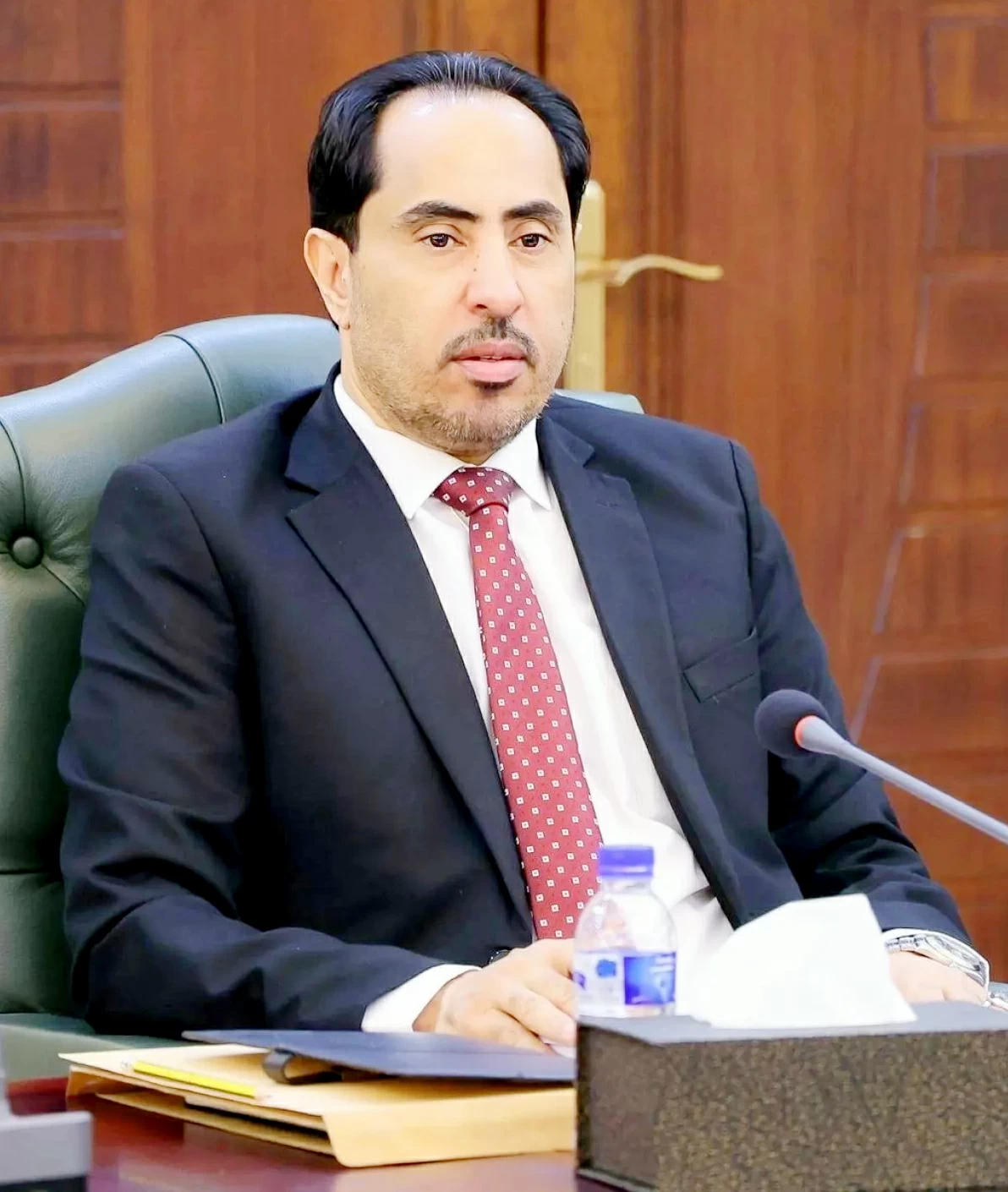
أكّد وزير الشباب والرياضة اليمني نايف البكري، أن الحكومة ماضية نحو استعادة الدولة وإنهاء الانقلاب الحوثي المدعوم إيرانياً من جذوره، مشيراً إلى أن حرب المليشيا لم تستثنِ قطاعاً، إذ دمرت أكثر من 90% من البنية التحتية للشباب والرياضة استهدافاً لمستقبل الأجيال.
وقال، في حوار أجرته «عكاظ»: إن المواقف التاريخية والودائع السخية السعودية أنقذت اليمن من انهيار اقتصادي ممنهج خططت له المليشيا، داعياً المجتمع الدولي إلى الخروج عن صمته وفرض عقوبات رادعة تكبح المشروع الحوثي، مشدداً على أن القضية الجنوبية تُمثّل ركيزة أساسية لأي تسوية عادلة ومستدامة.
وكشف وزير الشباب والرياضة اليمني، تفاصيل مهمة تخص المشهد السياسي والعسكري والميداني، فإلى الحوار..
• هل نتوقع عملية عسكرية كبرى شاملة للتحرير، وما خلفيات قرار الحسم العسكري؟
•• الحكومة اليمنية ظلت يدها ممدودة للسلام، وقدمت التنازلات تلو التنازلات، واستجابت في أكثر من مناسبة لمقترحات المبعوث الأممي، انطلاقاً من حرصها على الوصول إلى حل سلمي يجنب الشعب اليمني ويلات الحرب والاقتتال، لكن مليشيا الحوثي، المرتبطة بالنظام الإيراني والمنفذة لأجندته التخريبية في المنطقة، قابلت تلك المبادرات بالتعنت والتصعيد، وواصلت استهداف المدنيين وتهديد الملاحة الدولية ورفض كل فرص السلام. إن أي توجه نحو الحسم العسكري لا يأتي باعتباره خياراً أول، وإنما كخيار يفرضه تعنّت المليشيا وإصرارها على إطالة أمد الحرب وتقويض جهود السلام، والقيادة السياسية والعسكرية تقيّم الموقف وفق معطيات ميدانية وإستراتيجية دقيقة، وبما يحقق المصلحة الوطنية ويحافظ على أرواح اليمنيين، وصولاً إلى إنهاء الانقلاب واستعادة مؤسسات الدولة وبسط سلطتها على كامل التراب اليمني.
متاجرة حوثية بالمعاناة الإنسانية
• كيف تعاملت المليشيا الحوثية مع مبادرات الحكومة الإنسانية ومطار صنعاء؟
•• أثبتت الأيام أن الحكومة، وبدعم من التحالف بقيادة السعودية، كانت حريصة على رفع معاناة الشعب اليمني، وقدمت العديد من المبادرات الإنسانية، سواء في ما يتعلق بتشغيل المطارات أو تسهيل حركة السفر أو تدفق السلع والمساعدات، واضعةً مصلحة المواطن فوق أي اعتبارات أخرى. لكن مليشيا الحوثي تعاملت مع هذه المبادرات بمنطق الابتزاز السياسي، وسعت إلى توظيف الملفات الإنسانية لتحقيق مكاسب خاصة بها، بدلاً من استثمارها في تخفيف معاناة المواطنين، كما تعمدت إفشال العديد من المبادرات لأنها لا تؤمن بمنطق الشراكة أو السلام، بل ترى في استمرار الأزمة وسيلة لتعزيز نفوذها وخدمة المشروع الإيراني الذي تنتمي إليه، ولذلك فإن المجتمع الدولي مطالب بممارسة مزيد من الضغوط على المليشيات لإجبارها على التعاطي الجاد مع المبادرات الإنسانية، ووضع مصلحة الشعب اليمني فوق أي حسابات ضيقة.
حماية السيادة خط أحمر
• هل الحكومة والقوات المسلحة جاهزتان لحماية باب المندب؟
•• الحكومة قادرة بكل تأكيد، وبالتعاون مع القوات المسلحة والأجهزة الأمنية، وبدعم وإسناد من التحالف والشركاء الإقليميين والدوليين، على حماية الممرات المائية الإستراتيجية والحفاظ على أمن الملاحة الدولية، وتمثل حماية باب المندب والبحر الأحمر مسؤولية وطنية ودولية في آن واحد، لما لهذه الممرات من أهمية بالغة للتجارة العالمية وأمن المنطقة.
ولا شك أن إنهاء التهديد الحوثي بشكل دائم يبدأ باستعادة مؤسسات الدولة وإنهاء الانقلاب، لأن وجود مليشيا مسلحة خارج إطار الدولة يظل مصدراً لعدم الاستقرار وتهديداً مستمراً للملاحة الدولية والأمن الإقليمي، ومن هذا المنطلق، فإن الحكومة تعمل مع شركائها على تعزيز قدرات مؤسسات الدولة بما يكفل حماية السيادة الوطنية وتأمين هذه الممرات الحيوية وفقاً للقانون الدولي.
السعودية سند اليمن الأبرز
• إلى أي مدى نجحت الحكومة بدعم سعودي في مجابهة الانهيار الاقتصادي؟
•• لا شك أن الحكومة بدعم أخوي كبير من السعودية، ودول تحالف دعم الشرعية، بذلت جهوداً استثنائية للتخفيف من آثار الأزمة الاقتصادية التي فاقمتها ممارسات مليشيا الحوثي، سواء عبر استهدافها لموارد الدولة، أو تقويضها للمؤسسات المالية، أو عرقلتها لتدفق الإيرادات، فضلاً عن استهداف المنشآت الاقتصادية والنفطية، الأمر الذي انعكس بصورة مباشرة على الوضع المعيشي للمواطنين. وقد أسهم الدعم السعودي، وفي مقدمته الودائع المالية، والمشتقات النفطية، والمشاريع التنموية والإنسانية، في تعزيز قدرة الحكومة على الوفاء بجزء من التزاماتها، والحفاظ على استمرار الخدمات الأساسية، وتخفيف حدة الانهيار الاقتصادي، ورغم جسامة التحديات، فإن الحكومة مستمرة في تنفيذ الإصلاحات الاقتصادية والإدارية، وتعمل مع شركائها الإقليميين والدوليين لاستعادة الاستقرار الاقتصادي وتحسين مستوى معيشة المواطنين في مختلف المحافظات.
إحباط أساليب التهريب الحوثي
• هل سعي المليشيا لمنافذ جوية يعكس فشل التهريب البحري؟ •• تشير المعطيات الميدانية إلى أن الجهود الإقليمية والدولية الرامية إلى مكافحة تهريب الأسلحة عبر البحر أسهمت في الحد من كثير من محاولات التهريب، ورفعت كلفة هذه العمليات على المليشيات الحوثية، ومن الطبيعي أن تسعى أي جماعة مسلحة عند تضييق أحد مسارات الإمداد إلى البحث عن بدائل ووسائل أخرى للحفاظ على قدراتها العسكرية.
أما الإصرار على استخدام الطائرات أو البحث عن منافذ جوية، فيعكس محاولة لإيجاد قنوات أقل تعرضاً للرقابة، إلا أن نجاح أي مسار يبقى مرهوناً بمدى فاعلية إجراءات المراقبة والتنسيق الأمني بين الحكومة اليمنية وشركائها، وفي المحصلة، فإن مواجهة تهريب السلاح، سواء عبر البحر أو الجو أو البر، تتطلب استمرار التعاون الإقليمي والدولي لمنع وصول الأسلحة التي تطيل أمد الصراع وتهدد أمن اليمن والمنطقة.
الموقف السعودي يحمي اليمن
• كيف تقرأون الموقف السعودي والدعم المستمر لليمن؟
•• لم تكن المواقف السعودية الأخوية الصادقة وليدة اللحظة أو نتاج ظرفٍ عابر، وإنما هي امتداد لمواقف تاريخية ثابتة تجاه اليمن وشعبه، تجسدت في مختلف المراحل سياسياً وإنسانياً واقتصادياً وتنموياً، وضمن جهودها المستمرة لدعم أمن اليمن واستقراره ووحدته.
كما أن المواقف والبيانات الأخيرة تعكس ثبات هذا النهج، وتؤكد رفض المملكة لأي تصعيد يهدد أمن المنطقة والممرات البحرية الدولية، كما تؤكد استمرار دعمها للحكومة اليمنية وجهودها الرامية إلى استعادة مؤسسات الدولة وتحقيق السلام القائم على المرجعيات المتفق عليها. ولا يقتصر الدعم السعودي على الجانب السياسي، بل يمتد إلى مشاريع تنموية وإنسانية واقتصادية تركت أثراً ملموساً في حياة اليمنيين، وهو ما يعكس حرص المملكة على أن يكون اليمن آمناً ومستقراً وقادراً على تجاوز التحديات الراهنة وبناء مستقبل أفضل لشعبه.
القضية الجنوبية جوهر أي تسوية عادلة
• كيف تُقيّمون خطوات الحوار الجنوبي - الجنوبي، وما الرؤية الحكومية للقضية؟
•• القضية الجنوبية هي قضية سياسية عادلة، ولا يمكن الوصول إلى سلام دائم أو تسوية شاملة في اليمن دون معالجتها معالجة منصفة تلبي تطلعات أبناء الجنوب، وفقاً للمرجعيات المتوافق عليها وبما يحفظ الأمن والاستقرار في المنطقة. وننظر بإيجابية إلى كل الجهود الرامية إلى تعزيز الحوار الجنوبي - الجنوبي وتوحيد الصف، لأن الحوار هو السبيل الأمثل لتقريب وجهات النظر وبناء موقف موحد يخدم مصالح أبناء الجنوب، ويعزز حضورهم في أي عملية سياسية قادمة، كما أن الحكومة تدعم كل المبادرات التي تعزز التوافق الوطني وتنبذ الخلافات، إيماناً منها بأن وحدة الكلمة تمثل عنصراً مهماً لإنجاح أي تسوية سياسية عادلة ومستدامة، تحفظ الحقوق وتصون كرامة الجميع.
تشديد العقوبات يكبح الإرهاب
• هل حان وقت فرض عقوبات دولية رادعة تكبح المشروع الحوثي؟
•• لقد أظهرت السنوات الماضية، أن مليشيا الحوثي لم تتعامل بإيجابية مع المبادرات السياسية وجهود السلام، بل استغلت فترات التهدئة لإعادة ترتيب قدراتها العسكرية وتصعيد هجماتها ضد المدنيين والمنشآت الاقتصادية وتهديد الملاحة الدولية، وهذا السلوك يؤكد أن أي عملية سياسية لا يمكن أن تنجح ما لم تُقرن بضغوط حقيقية تُلزم المليشيا بالامتثال للقانون الدولي وقرارات الشرعية الدولية. ومن هذا المنطلق، فإننا نرى أهمية أن يتبنّى المجتمع الدولي موقفاً أكثر حزماً تجاه الانتهاكات التي ترتكبها المليشيا، من خلال تشديد العقوبات على القيادات والجهات الداعمة لأنشطتها غير المشروعة، وتجفيف مصادر تمويلها وتسليحها، ومحاسبة المسؤولين عن تهديد الأمن الإقليمي والدولي، وفي الوقت ذاته، تظل الحكومة اليمنية تؤكد أن السلام العادل والشامل هو الخيار الاستراتيجي، لكنه سلام يقوم على احترام المرجعيات المتفق عليها، وإنهاء الانقلاب، واستعادة مؤسسات الدولة، وليس على مكافأة من يستخدم القوة لفرض الأمر الواقع.
مرجعيات وطنية لصنع السلام
• ما مصير مسار السلام العادل في ظل تعنّت المليشيا وإغلاق نوافذ الحل السياسي؟
•• السلام كان وسيظل خيار الدولة اليمنية وقيادتها، وقد أثبتت الحكومة، بدعم من التحالف، حسن نيتها من خلال التعاطي الإيجابي مع مختلف المبادرات الأممية والإقليمية، وتقديم الكثير من التنازلات من أجل إنهاء معاناة الشعب اليمني وتحقيق سلام عادل وشامل.
لكن المؤسف، أن مليشيا الحوثي قابلت تلك الجهود بالمزيد من التعنت ورفض الحلول السياسية، واستمرت في التصعيد العسكري وعرقلة كل المبادرات، بما يؤكد أنها لا تزال تراهن على الحرب ولا تؤمن بمنطق الدولة أو الشراكة الوطنية. ورغم ذلك، فإننا نؤمن بأن السلام الحقيقي سيبقى الخيار الأمثل، لكنه يجب أن يكون سلاماً قائماً على المرجعيات الوطنية والإقليمية والدولية، ويضمن استعادة مؤسسات الدولة، وإنهاء الانقلاب، والحفاظ على وحدة اليمن وسيادته، أما أي تسوية تتجاوز هذه الأسس فلن تحقق سلاماً مستداماً، بل ستؤجل الصراع وتفاقم معاناة اليمنيين.
The Yemeni Minister of Youth and Sports, Nayef Al-Bakri, confirmed that the government is moving towards restoring the state and ending the Iranian-backed Houthi coup from its roots, pointing out that the militia's war has not spared any sector, as it has destroyed more than 90% of the infrastructure for youth and sports, targeting the future of generations.
He said, in an interview with "Okaz": that the historical positions and generous deposits from Saudi Arabia have saved Yemen from a systematic economic collapse planned by the militia, calling on the international community to break its silence and impose deterrent sanctions to curb the Houthi project, emphasizing that the southern issue represents a fundamental pillar for any fair and sustainable settlement.
The Yemeni Minister of Youth and Sports revealed important details regarding the political, military, and field scene, so here is the interview..
• Can we expect a major comprehensive military operation for liberation, and what are the backgrounds of the decision for military resolution?
•• The Yemeni government has always extended its hand for peace, making concessions time and again, and responding on multiple occasions to the proposals of the UN envoy, driven by its keenness to reach a peaceful solution that spares the Yemeni people the horrors of war and conflict. However, the Houthi militia, linked to the Iranian regime and executing its destructive agenda in the region, has responded to those initiatives with obstinacy and escalation, continuing to target civilians, threaten international navigation, and reject all opportunities for peace. Any move towards military resolution does not come as a first option but as a choice imposed by the militia's obstinacy and its insistence on prolonging the war and undermining peace efforts. The political and military leadership evaluates the situation based on precise field and strategic data, in a manner that serves the national interest and preserves the lives of Yemenis, leading to the end of the coup and the restoration of state institutions and their authority over all Yemeni territory.
Houthi exploitation of humanitarian suffering
• How did the Houthi militia deal with the government's humanitarian initiatives and Sanaa Airport?
•• Days have proven that the government, with support from the coalition led by Saudi Arabia, has been keen to alleviate the suffering of the Yemeni people, presenting numerous humanitarian initiatives, whether related to operating airports, facilitating travel, or allowing the flow of goods and aid, placing the interests of the citizen above any other considerations. However, the Houthi militia dealt with these initiatives with a logic of political blackmail, seeking to exploit humanitarian files to achieve its own gains instead of investing them in alleviating the suffering of citizens. It deliberately sabotaged many initiatives because it does not believe in the logic of partnership or peace, but sees the continuation of the crisis as a means to enhance its influence and serve the Iranian project to which it belongs. Therefore, the international community is required to exert more pressure on the militias to force them to engage seriously with humanitarian initiatives, placing the interests of the Yemeni people above any narrow calculations.
Protecting sovereignty is a red line
• Is the government and the armed forces ready to protect Bab al-Mandab?
•• The government is certainly capable, in cooperation with the armed forces and security agencies, and with support from the coalition and regional and international partners, to protect strategic waterways and maintain the security of international navigation. Protecting Bab al-Mandab and the Red Sea is a national and international responsibility at the same time, due to the immense importance of these waterways for global trade and regional security.
There is no doubt that permanently ending the Houthi threat begins with restoring state institutions and ending the coup, as the existence of an armed militia outside the framework of the state remains a source of instability and a continuous threat to international navigation and regional security. From this standpoint, the government is working with its partners to enhance the capabilities of state institutions in a manner that ensures the protection of national sovereignty and secures these vital waterways in accordance with international law.
Saudi Arabia is Yemen's foremost support
• To what extent has the government succeeded, with Saudi support, in confronting economic collapse?
•• There is no doubt that the government, with significant brotherly support from Saudi Arabia and the coalition of support for legitimacy, has made exceptional efforts to mitigate the effects of the economic crisis exacerbated by the practices of the Houthi militia, whether through its targeting of state resources, undermining financial institutions, or obstructing the flow of revenues, in addition to targeting economic and oil facilities, which has directly reflected on the living conditions of citizens. Saudi support, primarily through financial deposits, oil derivatives, and developmental and humanitarian projects, has contributed to enhancing the government's ability to meet part of its obligations, maintain the continuity of essential services, and mitigate the severity of the economic collapse. Despite the enormity of the challenges, the government continues to implement economic and administrative reforms and works with its regional and international partners to restore economic stability and improve the living standards of citizens in various governorates.
Frustrating Houthi smuggling methods
• Does the militia's pursuit of air routes reflect the failure of maritime smuggling? •• Field data indicates that regional and international efforts to combat arms smuggling by sea have contributed to reducing many smuggling attempts and raised the cost of these operations for the Houthi militias. Naturally, any armed group, when one of its supply routes is tightened, will seek alternatives and other means to maintain its military capabilities.
As for the insistence on using aircraft or searching for air routes, it reflects an attempt to find channels less exposed to scrutiny. However, the success of any route remains contingent on the effectiveness of monitoring measures and security coordination between the Yemeni government and its partners. Ultimately, combating arms smuggling, whether by sea, air, or land, requires continued regional and international cooperation to prevent the arrival of weapons that prolong the conflict and threaten the security of Yemen and the region.
The Saudi position protects Yemen
• How do you read the Saudi position and its ongoing support for Yemen?
•• The sincere brotherly positions of Saudi Arabia have not been born out of the moment or as a result of a transient circumstance, but rather are an extension of stable historical positions towards Yemen and its people, manifested in various stages politically, humanitarianly, economically, and developmentally, as part of its ongoing efforts to support Yemen's security, stability, and unity.
Moreover, the recent positions and statements reflect the steadfastness of this approach and confirm the Kingdom's rejection of any escalation that threatens the security of the region and international maritime routes, as well as its continued support for the Yemeni government and its efforts to restore state institutions and achieve peace based on the agreed-upon references. Saudi support is not limited to the political aspect but extends to developmental, humanitarian, and economic projects that have left a tangible impact on the lives of Yemenis, reflecting the Kingdom's commitment to ensuring that Yemen is safe, stable, and capable of overcoming current challenges and building a better future for its people.
The southern issue is at the heart of any fair settlement
• How do you assess the steps of the southern-southern dialogue, and what is the government's vision for the issue?
•• The southern issue is a just political issue, and it is impossible to achieve lasting peace or a comprehensive settlement in Yemen without addressing it fairly in a manner that meets the aspirations of the people of the south, in accordance with the agreed-upon references and in a way that preserves security and stability in the region. We view positively all efforts aimed at enhancing southern-southern dialogue and unifying ranks, as dialogue is the best way to bring perspectives closer and build a unified position that serves the interests of the people of the south and enhances their presence in any upcoming political process. The government also supports all initiatives that promote national consensus and reject disputes, believing that unity of word is an important element for the success of any fair and sustainable political settlement that preserves rights and safeguards the dignity of all.
Strengthening sanctions curbs terrorism
• Is it time to impose deterrent international sanctions to curb the Houthi project?
•• The past years have shown that the Houthi militia has not positively engaged with political initiatives and peace efforts, but has exploited periods of calm to reorganize its military capabilities and escalate its attacks against civilians and economic facilities, threatening international navigation. This behavior confirms that any political process cannot succeed unless it is accompanied by real pressures that compel the militia to comply with international law and international legitimacy resolutions. From this standpoint, we see the importance of the international community adopting a firmer stance towards the violations committed by the militia by tightening sanctions on the leaders and entities supporting its illegal activities, drying up its sources of funding and armament, and holding accountable those responsible for threatening regional and international security. At the same time, the Yemeni government continues to affirm that just and comprehensive peace is the strategic option, but it is a peace based on respecting the agreed-upon references, ending the coup, and restoring state institutions, not on rewarding those who use force to impose facts on the ground.
National references for making peace
• What is the fate of the just peace process in light of the militia's obstinacy and the closure of political solution windows?
•• Peace has been and will remain the choice of the Yemeni state and its leadership. The government has proven, with support from the coalition, its good intentions by positively engaging with various UN and regional initiatives and making many concessions to end the suffering of the Yemeni people and achieve just and comprehensive peace.
However, it is unfortunate that the Houthi militia has responded to those efforts with further obstinacy and rejection of political solutions, continuing military escalation and obstructing all initiatives, confirming that it still bets on war and does not believe in the logic of the state or national partnership. Despite this, we believe that true peace will remain the optimal choice, but it must be a peace based on national, regional, and international references, ensuring the restoration of state institutions, ending the coup, and preserving Yemen's unity and sovereignty. Any settlement that exceeds these foundations will not achieve lasting peace but will only postpone the conflict and exacerbate the suffering of Yemenis.