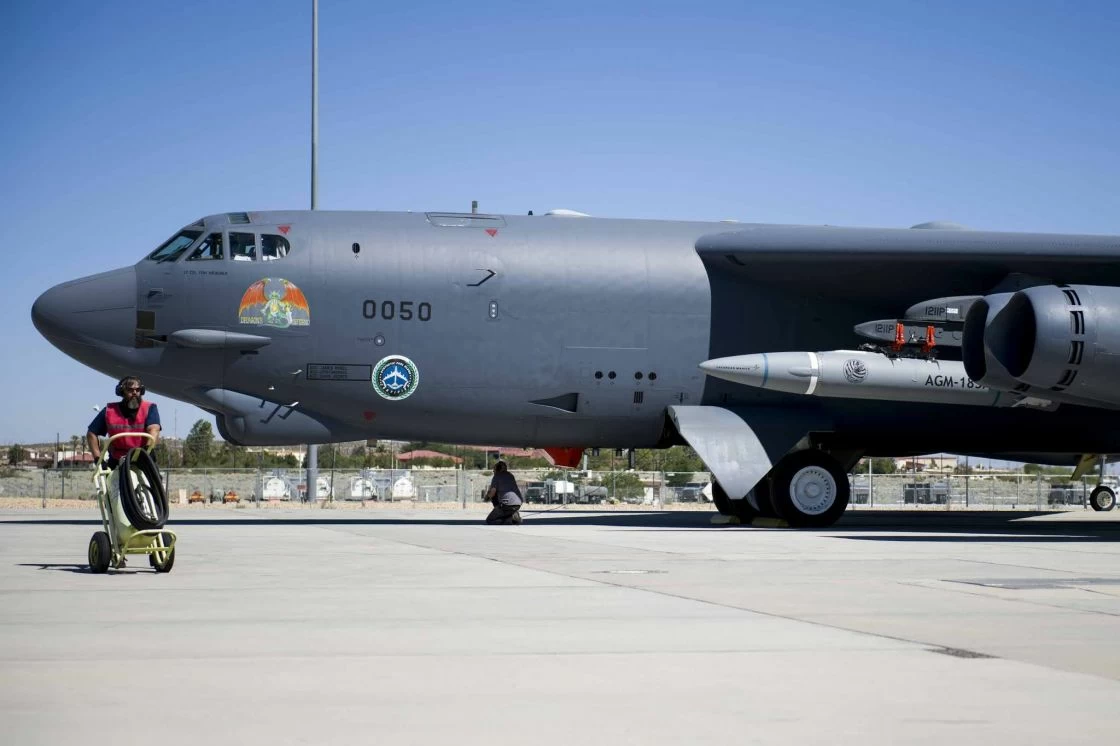
تعمل الولايات المتحدة على تطوير جيل جديد من الصواريخ «الفرط صوتية»، في إطار مساعيها لتعزيز قدرتها على مواجهة شبكات الدفاع الجوي المتطورة والوصول إلى أهداف بعيدة، وسط تصاعد المنافسة العسكرية والتكنولوجية مع روسيا والصين.
وأطلقت وكالة مشاريع الأبحاث الدفاعية المتقدمة «داربا» التابعة لوزارة الحرب الأمريكية، في 7 أغسطس، طلبًا للحصول على معلومات بشأن تطوير «صاروخ كروز فرط صوتي من الجيل التالي»، يشترط أن تتجاوز سرعته خمسة أضعاف سرعة الصوت.
ويستند التصور الجديد إلى محرك يستخدم الأكسجين الموجود في الغلاف الجوي أثناء الطيران بدلًا من حمله على متن الصاروخ، وهي تقنية ترتبط بمحركات «سكرامجت» المستخدمة في بعض برامج الأسلحة الفرط صوتية.
وأكدت «داربا» أن طلب المعلومات لا يمثل عقدًا أو التزامًا بتمويل المشروع، وإنما يهدف إلى جمع أفكار ومقترحات من شركات الدفاع والجامعات والمختبرات الحكومية تمهيدًا لتحديد إمكانية إطلاق برنامج تنافسي متكامل.
وتسعى الوكالة إلى الاستفادة من خبرات الشركات الكبرى، مثل لوكهيد مارتن ورايثيون، إلى جانب شركات أصغر، بهدف تطوير متطلبات تقنية وتصنيعية تسمح بإنتاج السلاح بكميات أكبر وبوتيرة أسرع.
ولا يبدأ المشروع من الصفر، إذ يستند إلى إرث برنامج HAWC، الذي اختبر صاروخًا فرط صوتي بمحرك «سكرامجت». وفي آخر اختبار للبرنامج عام 2023، تجاوز الصاروخ سرعة «ماخ 5» وقطع أكثر من 300 ميل بحري. كما تبعه برنامج MoHAWC لمواصلة تطوير التكنولوجيا وتحسين عمليات التصنيع.
لكن مسار الأسلحة الفرط صوتية الأمريكية يواجه تحديات كبيرة، أبرزها تأخر برنامج صاروخ الهجوم الكروز الفرط صوتي «HACM»، الذي تراجعت قدرته التشغيلية الأولية إلى السنة المالية 2029، مع ارتفاع تكلفة تطويره إلى نحو ملياري دولار، وفق تقرير لمكتب المحاسبة الحكومي الأمريكي.
وبالتوازي مع ذلك، أعادت القوات الجوية الأمريكية إحياء برنامج ARRW باعتباره خيارًا احتياطيًا في حال استمرار تعثر «HACM».
ولا تركز «داربا» على السرعة وحدها، بل تشترط أن يكون السلاح الجديد قابلًا للتصنيع السريع وعلى نطاق واسع، مع دراسة نماذج مختلفة للإطلاق والمنصات المستخدمة.
ويأتي المشروع وسط ضغوط على القاعدة الصناعية الدفاعية الأمريكية لرفع إنتاج الصواريخ والذخائر وإعادة بناء المخزونات، ما يضع واشنطن أمام تحدٍ مزدوج يتمثل في تطوير أسلحة متقدمة وزيادة القدرة على إنتاجها بكميات كافية.
The United States is working on developing a new generation of "hypersonic" missiles as part of its efforts to enhance its ability to counter advanced air defense networks and reach distant targets, amid rising military and technological competition with Russia and China.
The Defense Advanced Research Projects Agency (DARPA) of the U.S. Department of Defense issued a request for information on August 7 regarding the development of a "next-generation hypersonic cruise missile," which must exceed five times the speed of sound.
The new concept is based on an engine that uses oxygen from the atmosphere during flight instead of carrying it onboard the missile, a technology associated with "scramjet" engines used in some hypersonic weapon programs.
DARPA confirmed that the request for information does not represent a contract or a commitment to fund the project, but aims to gather ideas and proposals from defense companies, universities, and government laboratories in preparation for determining the feasibility of launching a comprehensive competitive program.
The agency seeks to leverage the expertise of major companies, such as Lockheed Martin and Raytheon, alongside smaller firms, to develop technical and manufacturing requirements that allow for the production of the weapon in larger quantities and at a faster pace.
The project does not start from scratch, as it builds on the legacy of the HAWC program, which tested a hypersonic missile with a "scramjet" engine. In the program's latest test in 2023, the missile exceeded "Mach 5" and traveled over 300 nautical miles. This was followed by the MoHAWC program to continue developing the technology and improving manufacturing processes.
However, the trajectory of U.S. hypersonic weapons faces significant challenges, the most notable being the delay of the hypersonic cruise missile program "HACM," whose initial operational capability has been pushed back to fiscal year 2029, with development costs rising to nearly $2 billion, according to a report from the U.S. Government Accountability Office.
In parallel, the U.S. Air Force has revived the ARRW program as a backup option in case "HACM" continues to face setbacks.
DARPA is not focusing solely on speed; it also requires that the new weapon be rapidly manufacturable and scalable, while exploring different launch models and platforms used.
The project comes amid pressures on the U.S. defense industrial base to increase the production of missiles and munitions and rebuild stockpiles, placing Washington in a dual challenge of developing advanced weapons and increasing the capacity to produce them in sufficient quantities.