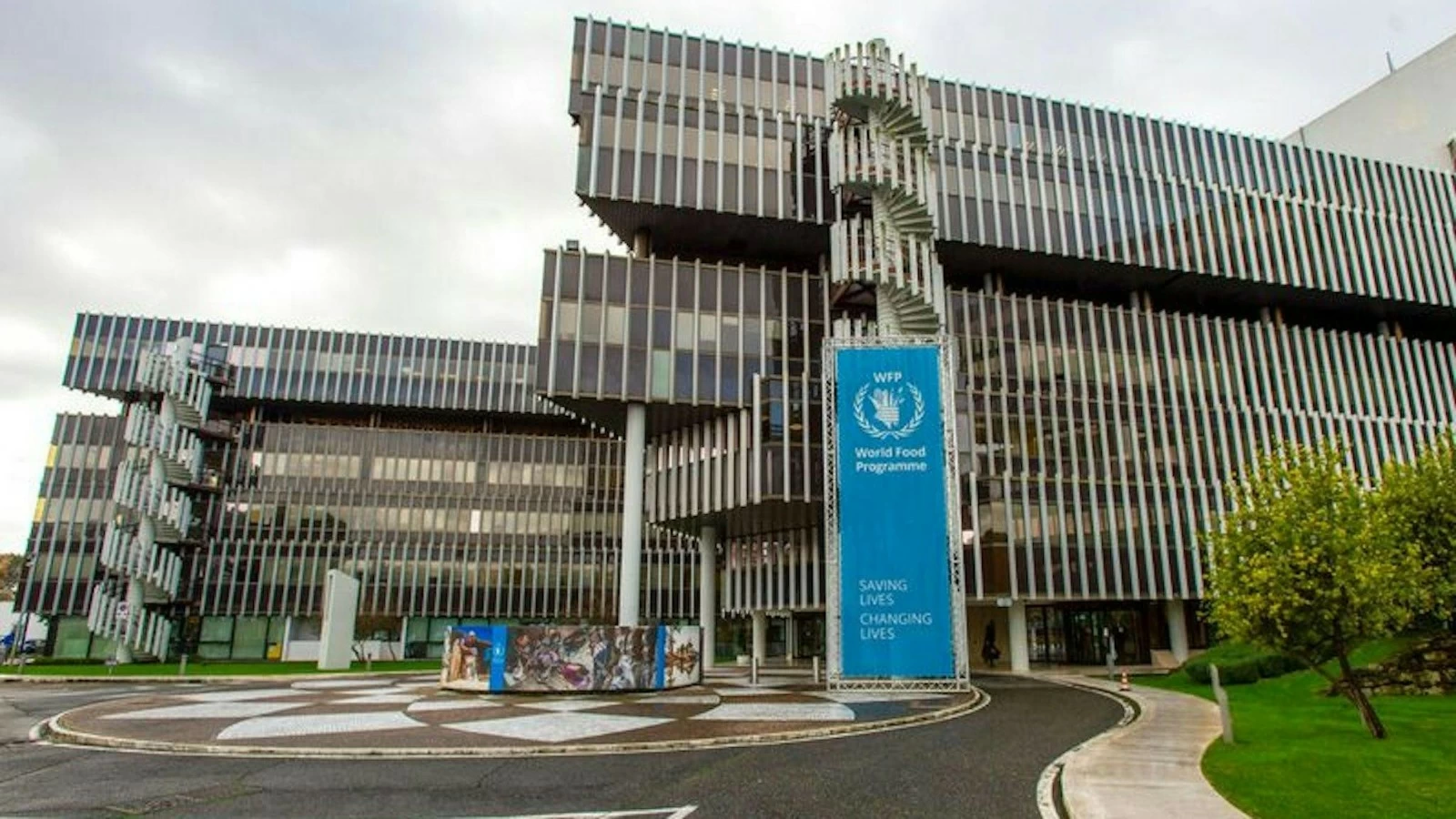
حذّر برنامج الأغذية العالمي من تفاقم الأزمة الإنسانية في جمهورية الكونغو الديمقراطية، مع استمرار النزاع والنزوح وتزايد الضغوط على الأمن الغذائي، خصوصاً في المقاطعات الشرقية المتضررة من العنف.
وأوضح البرنامج أن نحو 26.5 مليون شخص في البلاد يواجهون انعداماً حاداً في الأمن الغذائي، فيما يبلغ عدد النازحين داخلياً نحو 7.8 مليون شخص، كثير منهم اضطروا إلى النزوح أكثر من مرة.
الجوع يتركز في الشرق
وتعد مقاطعات شمال كيفو وجنوب كيفو وإيتوري وتانغانيقا من أكثر المناطق تضرراً، مع استمرار القتال وصعوبة وصول المساعدات الإنسانية إلى بعض المجتمعات.
وأشار برنامج الأغذية العالمي إلى أن نحو 3 ملايين شخص في شرق البلاد قد يواجهون مستويات طارئة من انعدام الأمن الغذائي خلال 2026، في وقت لا تزال فيه الاحتياجات تتجاوز بشكل كبير حجم الموارد المتاحة.
أزمات صحية تزيد الضغوط
وتتزامن أزمة الغذاء مع أزمات صحية أخرى، من بينها تفشي إيبولا والكوليرا والملاريا وجدري القردة، إضافة إلى الفيضانات والانهيارات الأرضية التي ألحقت أضراراً بالمحاصيل والبنية التحتية.
وأكد البرنامج أن انتشار إيبولا أدى إلى تعطيل الأسواق وسبل كسب العيش وحركة السكان، ما ضاعف الضغوط على المجتمعات التي تعاني أساساً من النزاع والنزوح والجوع.
نقص التمويل يهدد الاستجابة
وقال برنامج الأغذية العالمي إنه يحتاج بصورة عاجلة إلى نحو 229 مليون دولار لمواصلة عملياته الطارئة في جمهورية الكونغو الديمقراطية حتى ديسمبر 2026، مشيراً إلى أن نقص التمويل وصعوبة الوصول الإنساني يمثلان من أبرز التحديات أمام إيصال المساعدات.
ويواصل البرنامج تقديم المساعدات الغذائية والتحويلات النقدية والدعم التغذوي للفئات الأكثر احتياجاً، إلا أنه حذر من أن حجم الاحتياجات الحالية يفوق قدرة الاستجابة المتاحة.
The World Food Programme has warned of the worsening humanitarian crisis in the Democratic Republic of the Congo, as conflict and displacement continue and pressures on food security increase, particularly in the eastern provinces affected by violence.
The programme explained that approximately 26.5 million people in the country are facing severe food insecurity, while the number of internally displaced persons is around 7.8 million, many of whom have been forced to flee more than once.
Hunger is concentrated in the east
The provinces of North Kivu, South Kivu, Ituri, and Tanganyika are among the most affected areas, with ongoing fighting and difficulty in accessing humanitarian assistance for some communities.
The World Food Programme indicated that around 3 million people in the eastern part of the country may face emergency levels of food insecurity by 2026, at a time when needs continue to far exceed the available resources.
Health crises increase pressures
The food crisis coincides with other health crises, including outbreaks of Ebola, cholera, malaria, and monkeypox, in addition to floods and landslides that have damaged crops and infrastructure.
The programme confirmed that the spread of Ebola has disrupted markets, livelihoods, and population movement, exacerbating pressures on communities already suffering from conflict, displacement, and hunger.
Funding shortages threaten response
The World Food Programme stated that it urgently needs approximately $229 million to continue its emergency operations in the Democratic Republic of the Congo until December 2026, noting that funding shortages and difficulties in humanitarian access are among the main challenges to delivering assistance.
The programme continues to provide food assistance, cash transfers, and nutritional support to the most vulnerable groups, but it warned that the scale of current needs exceeds the available response capacity.