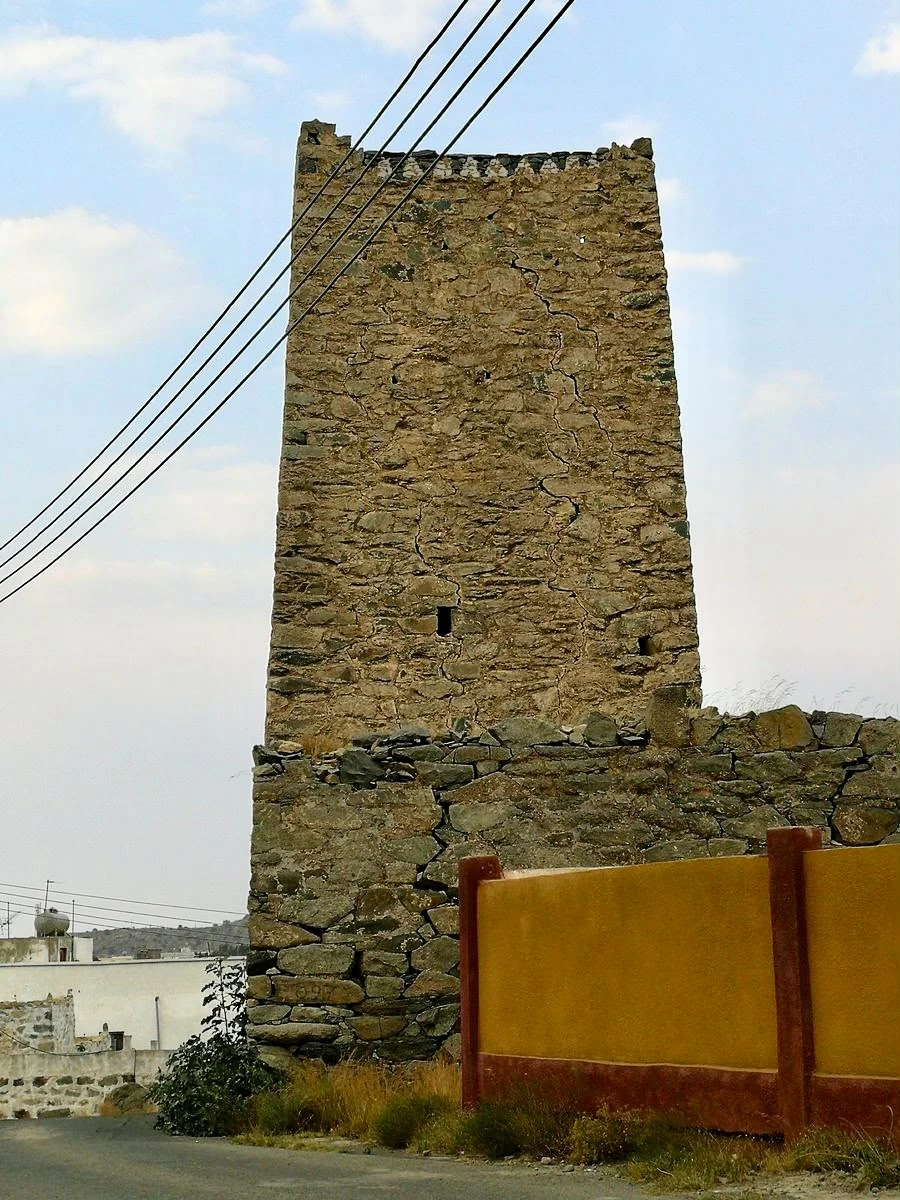
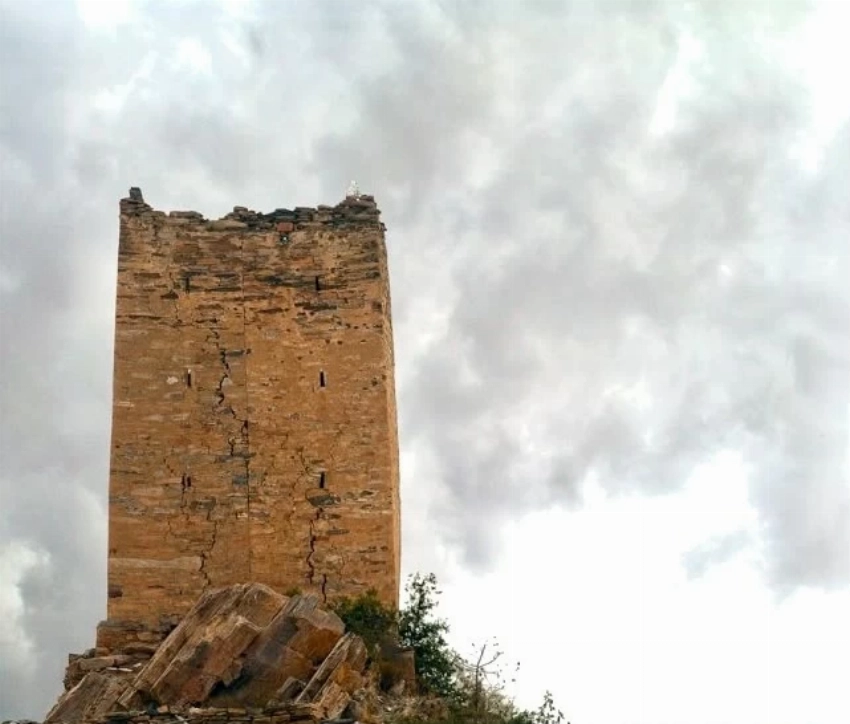
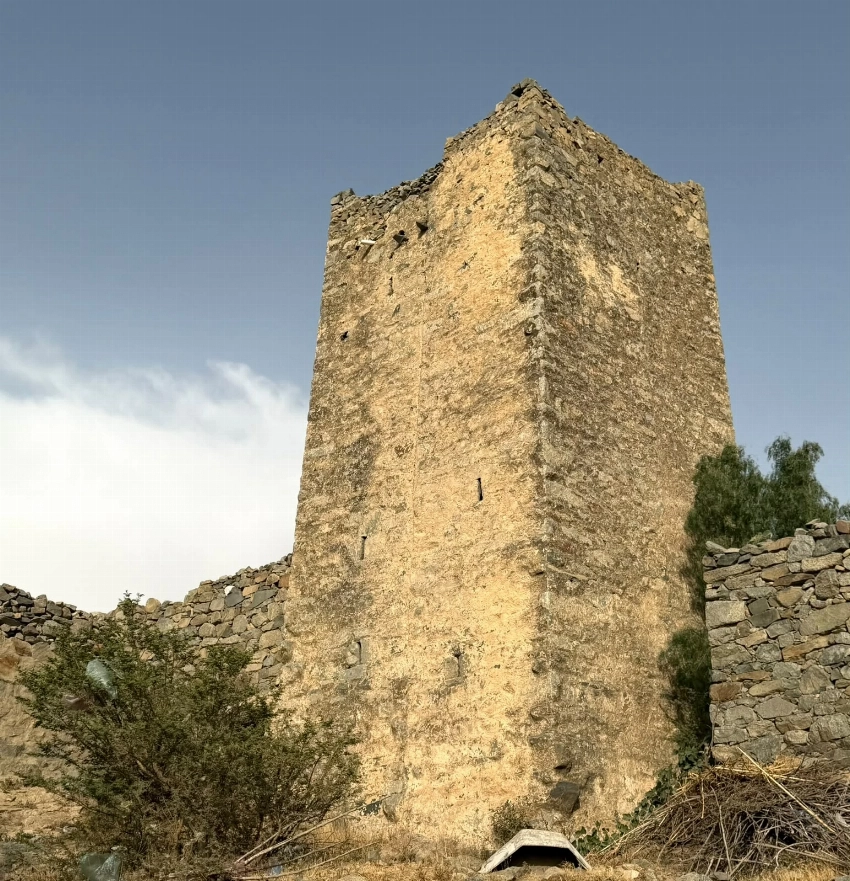
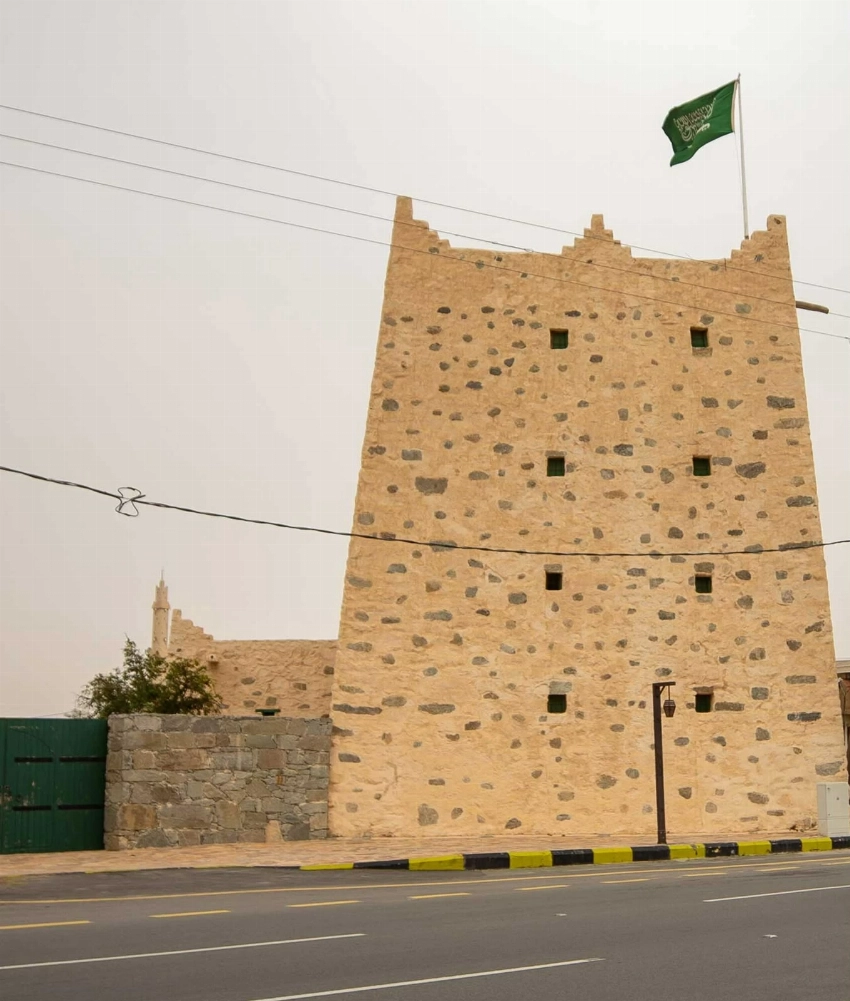
على امتداد القرى القديمة والأثرية في محافظة النماص، تقف الحصون الحجرية في مواقع وقمم مرتفعة، مطلة على المزارع والطرق ومداخل الأودية.
ومن موقعها وشكل بنائها يمكن قراءة جانب من حياة الأهالي قديمًا، حين كان الحصن جزءًا من أمن القرية ومخزونها الغذائي، ومكانًا تلجأ إليه وقت الخطر. شُيّدت الحصون من أحجار البيئة المحلية، وأخشاب العرعر، بطوابق متتابعة وجدران سميكة ونوافذ ضيقة، واختيرت لها مواقع تساعد على مراقبة التحركات القادمة من مسافات بعيدة.
وكانت تستخدم للدفاع خلال الحروب والمنازعات، كما وفرت نقطة مراقبة وإنذار مبكر لأهالي القرى. وفي داخلها كانت تحفظ الأسلحة والحبوب، وفي مقدمتها القمح والشعير والذرة، بعيدًا عن الأمطار والرطوبة ومخاطر الاعتداء.
وقد جمع الحصن بذلك بين مهمتين ترتبطان مباشرة ببقاء المجتمع: حماية الإنسان وحماية غذائه.
تأمين المؤن في فترات الاضطراب
ويكشف هذا الاستخدام عن وعي مبكر بأهمية تأمين المؤن في فترات الاضطراب، خصوصًا في البيئات الجبلية، التي كان الوصول إليها صعبًا، وكانت الزراعة فيها مرتبطة بمواسم محددة.
ولهذا لم يكن الحصن مبنى معزولًا، وإنما جزءًا من منظومة القرية إلى جانب المنازل والمدرجات الزراعية والآبار ومسارات التنقل. وتمنح هذه الحصون محافظة النماص قيمة سياحية تتجاوز جمال المشهد. فالزائر يقف أمام مبانٍ ارتبطت بأحداث وحياة يومية وطرق عيش قديمة، ويشاهد في تفاصيلها مهارة البناء بالحجر، وحسن اختيار الموقع، والقدرة على الاستفادة من المساحات المحدودة.
ويمكن للحصون، بعد حصرها وتوثيقها والعناية بما تبقى منها، أن تشكل مسارًا سياحيًا وثقافيًا يربط بين القرى التراثية والمزارع والمتاحف المحلية، مع توفير لوحات تعريفية تشرح أسماءها وتاريخها واستخداماتها، كما تتيح مادة ثرية للباحثين والمصورين وصناع الأفلام والمهتمين بالعمارة التقليدية.
وفي وقت تتجه فيه السياحة نحو التجارب المرتبطة بالمكان وسكانه، تملك حصون النماص فرصة لتقديم قصة محلية واضحة: مجتمع عاش في الجبال، وحمى قراه، وحفظ محصوله، وترك وراءه أبراجًا من الحجر ما زالت تحمل أثر تلك الأيام.
Along the ancient and archaeological villages in the Al-Namas governorate, the stone fortresses stand in elevated locations and peaks, overlooking the farms, roads, and valley entrances.
From their location and construction style, one can read a part of the lives of the locals in the past, when the fortress was a part of the village's security and food storage, and a place to seek refuge in times of danger. The fortresses were built from local stones and juniper wood, with successive floors, thick walls, and narrow windows, and were chosen for locations that helped monitor movements from long distances.
They were used for defense during wars and disputes, and also provided a point of observation and early warning for the villagers. Inside, weapons and grains were stored, primarily wheat, barley, and corn, protected from rain, humidity, and the risks of attack.
Thus, the fortress combined two tasks directly related to the survival of the community: protecting people and safeguarding their food.
Securing Provisions During Times of Turmoil
This usage reveals an early awareness of the importance of securing provisions during times of turmoil, especially in mountainous environments, where access was difficult, and agriculture was tied to specific seasons.
For this reason, the fortress was not an isolated building, but rather a part of the village system alongside houses, agricultural terraces, wells, and pathways. These fortresses give the Al-Namas governorate a tourism value that goes beyond the beauty of the scenery. The visitor stands before buildings linked to events, daily life, and ancient ways of living, witnessing in their details the skill of stone construction, the careful selection of location, and the ability to make use of limited spaces.
With proper documentation and care for what remains of them, the fortresses can form a cultural and tourist route connecting the heritage villages, farms, and local museums, providing informative panels that explain their names, history, and uses, while also offering rich material for researchers, photographers, filmmakers, and those interested in traditional architecture.
At a time when tourism is leaning towards experiences connected to the place and its inhabitants, the fortresses of Al-Namas have the opportunity to present a clear local story: a community that lived in the mountains, protected its villages, preserved its harvest, and left behind stone towers that still bear the mark of those days.