لقي 13 شخصًا مصرعهم، بينهم 11 سائحًا أجنبيًا، إثر تحطم طائرة سياحية صغيرة كانت تنفذ جولة جوية فوق خطوط نازكا الأثرية الشهيرة في جنوب بيرو، في حادثة مأساوية أعادت تسليط الضوء على مخاطر الرحلات الجوية السياحية في المنطقة.
وأعلنت السلطات البيروفية أن الطائرة المنكوبة، وهي من طراز سيسنا جراند كارافان C-208 التابعة لشركة «إيروديانا»، أقلعت ظهر الأحد من مطار بيسكو في منطقة إيكا متجهة إلى مسار جوي فوق خطوط نازكا، قبل أن تتعرض لحالة طارئة أثناء الرحلة.
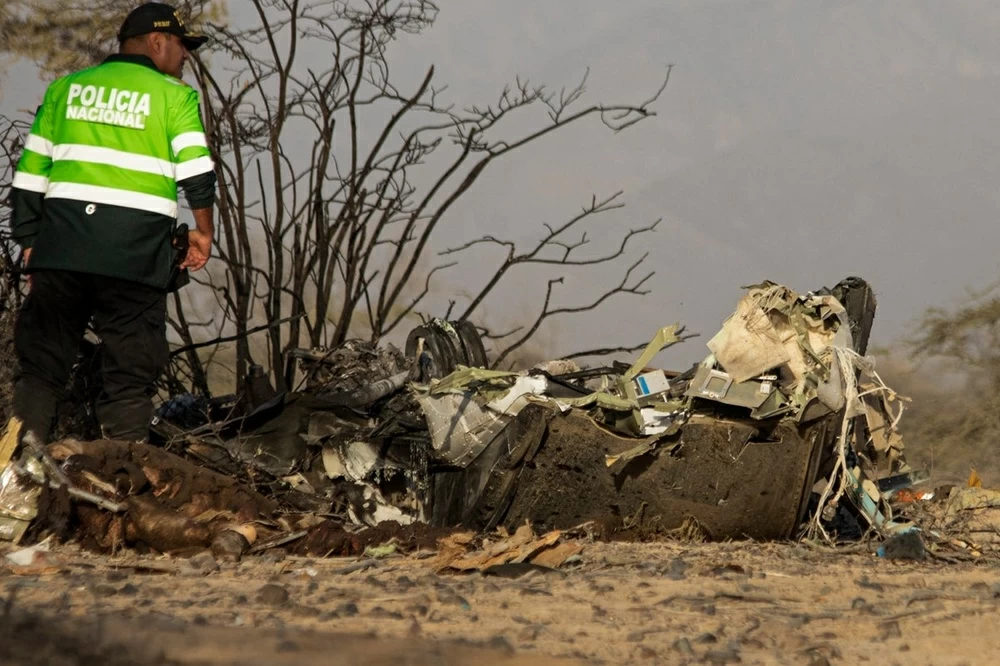
ووفقًا للمعلومات الأولية، أبلغ طاقم الطائرة برج المراقبة بوجود حالة طارئة، قبل أن ينقطع الاتصال اللاسلكي معها بشكل كامل، لتتحطم بعد ذلك على بعد نحو كيلومترين من مطار نازكا، ما أسفر عن مصرع جميع من كانوا على متنها.
وضمت قائمة الضحايا 11 سائحًا من جنسيات مختلفة، بينهم 7 إيطاليين من عائلتين، إلى جانب سائحين إسبانيين وآخرين ألمانيين، إضافة إلى الطيار ومساعده، وهما من الجنسية البيروفية، دون تسجيل أي ناجين.
وعقب الحادثة، هرعت فرق الإنقاذ والشرطة إلى موقع التحطم، حيث تم انتشال الجثامين ونقلها إلى مشرحة مدينة نازكا لاستكمال الإجراءات القانونية والطبية، تمهيدًا لتسليمها إلى ذوي الضحايا.
وأعلنت وزارة النقل والاتصالات في بيرو، بالتنسيق مع وزارة الخارجية، فتح تحقيق رسمي في ملابسات الحادثة بمشاركة مديرية الطيران المدني ولجنة التحقيق في حوادث الطيران، مؤكدة أن نتائج التحقيق ستُعلن فور الانتهاء منها، مع التواصل المباشر مع عائلات الضحايا والقنصليات الأجنبية المعنية.
من جانبها، أعربت رئيسة بيرو عن بالغ حزنها إزاء الحادثة، مؤكدة أن الحكومة تتابع تطورات التحقيق لحظة بلحظة، كما يجري تقييم إغلاق مطار نازكا مؤقتًا لحين استكمال الإجراءات الفنية والأمنية. وفي الوقت ذاته، أصدرت شركة «إيروديانا» بيانًا قدمت فيه تعازيها لأسر الضحايا، مؤكدة تعاونها الكامل مع السلطات المختصة لكشف أسباب الكارثة.
وتأتي الحادثة بعد يوم واحد من تعرض منطقة إيكا لرياح قوية بلغت سرعتها نحو 50 كيلومترًا في الساعة، ما دفع جهات التحقيق إلى دراسة مدى تأثير الأحوال الجوية في وقوع الحادثة، إلى جانب فحص الجوانب الفنية للطائرة وسجلها التشغيلي.
وتُعد خطوط نازكا، المدرجة على قائمة التراث العالمي لليونسكو، واحدة من أشهر الوجهات السياحية في بيرو، إذ تستقطب آلاف الزوار سنويًا لمشاهدة الرسوم الأرضية العملاقة التي يعود تاريخها إلى ما بين عامي 500 قبل الميلاد و500 ميلادية، ولا يمكن رؤية تفاصيلها الكاملة إلا من الجو.
وتُنفذ عشرات الرحلات الجوية يوميًا فوق الموقع الأثري، إلا أن هذا النوع من الرحلات شهد خلال العقود الماضية عددًا من الحوادث، ما أثار مرارًا مطالبات بتشديد معايير السلامة والرقابة على شركات الطيران السياحي، خصوصًا في ظل الطبيعة الصحراوية للمنطقة وتقلب الظروف الجوية فيها.
Thirteen people lost their lives, including 11 foreign tourists, when a small tourist plane crashed while conducting an aerial tour over the famous Nazca Lines in southern Peru, in a tragic incident that has once again highlighted the dangers of tourist flights in the region.
Peruvian authorities announced that the ill-fated plane, a Cessna Grand Caravan C-208 belonging to "Aerodiana," took off on Sunday afternoon from Pisco Airport in the Ica region heading towards a flight path over the Nazca Lines, before experiencing an emergency during the flight.
According to initial information, the plane's crew reported an emergency to the control tower before communication with them was completely lost, leading to the crash about two kilometers from Nazca Airport, resulting in the deaths of all those on board.
The list of victims included 11 tourists of various nationalities, including 7 Italians from two families, as well as Spanish and German tourists, in addition to the pilot and co-pilot, who were of Peruvian nationality, with no survivors reported.
Following the incident, rescue teams and police rushed to the crash site, where the bodies were recovered and transported to the morgue in Nazca to complete legal and medical procedures, in preparation for their handover to the victims' families.
The Ministry of Transport and Communications in Peru, in coordination with the Ministry of Foreign Affairs, announced the opening of an official investigation into the circumstances of the incident, with the participation of the Civil Aviation Directorate and the Aviation Accident Investigation Committee, confirming that the results of the investigation will be announced as soon as they are completed, with direct communication with the victims' families and the relevant foreign consulates.
For her part, the President of Peru expressed her deep sorrow over the incident, confirming that the government is monitoring the developments of the investigation moment by moment, and that the temporary closure of Nazca Airport is being evaluated until technical and security procedures are completed. At the same time, "Aerodiana" issued a statement offering its condolences to the victims' families, confirming its full cooperation with the relevant authorities to uncover the causes of the disaster.
The incident comes just one day after the Ica region experienced strong winds reaching speeds of about 50 kilometers per hour, prompting investigators to examine the impact of weather conditions on the occurrence of the incident, in addition to examining the technical aspects of the aircraft and its operational record.
The Nazca Lines, listed as a UNESCO World Heritage site, are one of the most famous tourist destinations in Peru, attracting thousands of visitors annually to see the giant geoglyphs that date back to between 500 BC and 500 AD, which can only be fully appreciated from the air.
Dozens of flights are conducted daily over the archaeological site, but this type of flight has seen a number of incidents over the past decades, repeatedly raising calls for stricter safety standards and oversight of tourist airlines, especially given the desert nature of the region and the fluctuating weather conditions.