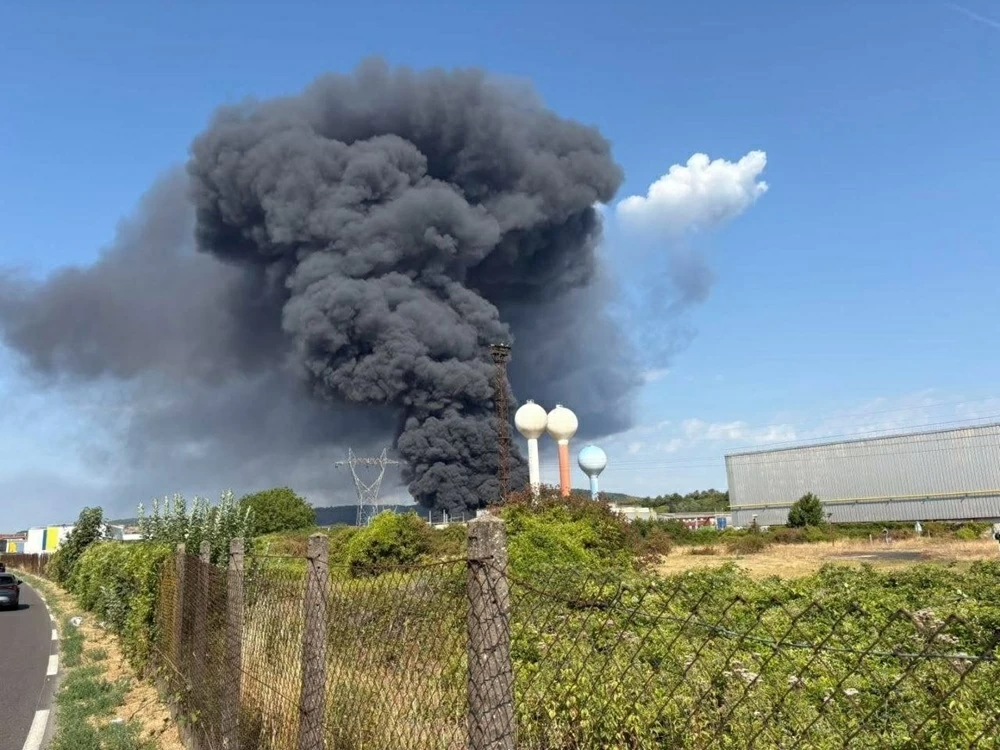
أجْلت السلطات الفرنسية نحو 2500 شخص من مناطق عدة في إقليم فار جنوب شرقي البلاد، بعد تجدد اندلاع حرائق الغابات التي تواصل فرق الإطفاء جهودًا مكثفة للسيطرة عليها، في ظل انتشار النيران على مساحات واسعة وارتفاع المخاوف من امتدادها إلى مناطق سكنية جديدة.
وذكرت وسائل إعلام فرنسية، (السبت)، أن الحرائق التي تجددت في الإقليم منذ الجمعة دفعت السلطات إلى تعزيز عمليات الإطفاء، بمشاركة نحو 1500 رجل إطفاء، إضافة إلى 10 طائرات متخصصة في مكافحة الحرائق و6 مروحيات، في إطار عمليات جوية وبرية متواصلة للحد من انتشار ألسنة اللهب.
وامتدت النيران خلال فترة قصيرة لتلتهم أكثر من ألف هكتار من الأراضي، فيما لم تتمكن فرق الإطفاء حتى الآن من السيطرة الكاملة على الحريق، بسبب الرياح والظروف المناخية التي تساعد على تجدد بؤر الاشتعال.
وأدت الحرائق إلى إجلاء نحو 2500 شخص من المناطق المهددة، في وقت تشير فيه البيانات إلى أن حرائق يوليو الماضي في إقليم فار وحده أتت على أكثر من 5600 هكتار، ما يعكس استمرار الضغوط على أجهزة الطوارئ في المنطقة.
وفي موازاة ذلك، تواصل السلطات الفرنسية جهودها لإخماد حريق جيروند، أحد أكبر حرائق الغابات التي شهدتها البلاد هذا العام، بعدما التهم أكثر من 42 ألف هكتار من الغابات والأراضي الطبيعية.
وكان حريق جيروند قد تسبب في إجلاء نحو 220 ألف شخص، عاد قرابة 200 ألف منهم إلى منازلهم بعد تحسن الأوضاع في بعض المناطق، فيما لا تزال السلطات تراقب بؤر النيران المتبقية وتواصل عمليات التأمين لمنع تجدد الحرائق.
وتشهد فرنسا خلال العام الحالي أحد أكثر مواسم حرائق الغابات تدميرًا في تاريخها الحديث، بعدما تجاوزت المساحات التي التهمتها النيران 116 ألف هكتار، وهو رقم يعكس تصاعد تأثير موجات الحر والجفاف التي تضرب أجزاء واسعة من البلاد.
ويرى خبراء المناخ أن ارتفاع درجات الحرارة وتكرار فترات الجفاف الناتجة عن التغير المناخي أسهما في زيادة شدة حرائق الغابات واتساع رقعتها في العديد من الدول الأوروبية، الأمر الذي دفع السلطات الفرنسية إلى تعزيز خطط الاستجابة السريعة ورفع جاهزية فرق الإطفاء والطيران المخصص لمكافحة الحرائق تحسبًا لاستمرار المخاطر خلال موسم الصيف.
The French authorities evacuated about 2,500 people from several areas in the Var region in the southeast of the country, following the resurgence of wildfires that firefighting teams are intensively working to control, amid the spread of flames over large areas and rising fears of their extension to new residential areas.
French media reported on Saturday that the fires, which reignited in the region since Friday, prompted the authorities to enhance firefighting operations, with the participation of about 1,500 firefighters, in addition to 10 aircraft specialized in firefighting and 6 helicopters, as part of ongoing aerial and ground operations to curb the spread of the flames.
The fires quickly spread to consume more than 1,000 hectares of land, while firefighting teams have not yet been able to fully control the blaze due to winds and weather conditions that facilitate the resurgence of ignition points.
The fires led to the evacuation of about 2,500 people from threatened areas, while data indicates that the fires in July alone in the Var region destroyed more than 5,600 hectares, reflecting the ongoing pressure on emergency services in the area.
In parallel, French authorities continue their efforts to extinguish the Gironde fire, one of the largest wildfires the country has experienced this year, which has consumed more than 42,000 hectares of forests and natural land.
The Gironde fire caused the evacuation of about 220,000 people, with nearly 200,000 of them returning to their homes after conditions improved in some areas, while authorities continue to monitor remaining fire hotspots and carry out security operations to prevent the resurgence of fires.
This year, France is experiencing one of the most destructive wildfire seasons in its modern history, with areas consumed by flames exceeding 116,000 hectares, a figure that reflects the increasing impact of heatwaves and drought affecting large parts of the country.
Climate experts believe that rising temperatures and the recurrence of drought periods resulting from climate change have contributed to the increased intensity and spread of wildfires in many European countries, prompting French authorities to enhance rapid response plans and raise the readiness of firefighting and aviation teams designated for firefighting in anticipation of continued risks during the summer season.