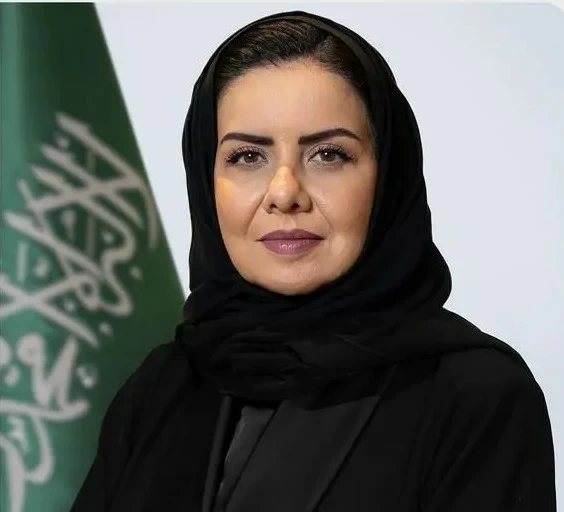
أوضحت رئيس هيئة حقوق الإنسان رئيس لجنة مكافحة جرائم الاتجار بالأشخاص الدكتورة هلا بنت مزيد التويجري أن المملكة العربية السعودية تنظر إلى قضية مكافحة الاتجار بالأشخاص بأنها مبدأ عظيم ورسالة إنسانية للعالم أجمع، وأنها وثقت حضورها في التصدي لها، بمنظومة شاملة تشريعيًا ومؤسسيًا تُسارع الخطى لمواكبة أفضل الممارسات بما يعزز حماية المجتمع والفرد من هذه الجريمة وآثارها.
وأكدت أن المملكة بقيادة خادم الحرمين الشريفين الملك سلمان بن عبدالعزيز آل سعود، وولي العهد رئيس مجلس الوزراء الأمير محمد بن سلمان بن عبدالعزيز آل سعود -حفظهما الله- اتخذت إجراءات جوهرية وفعّالة في مكافحة هذه الجريمة، وملاحقة مرتكبيها، وذلك في إطار الإصلاحات النوعية التي تبنتها في مجال حقوق الإنسان.
وعلى الصعيد الدولي، نوهت التويجري -في بيان بمناسبة اليوم العالمي لمكافحة الاتجار بالأشخاص الذي تتجدد ذكراه في 30 يوليو من كل عام- بتزايد حدة معدلات الاتجار بالأشخاص في ظل ما يشهده العالم من أحداث وأزمات، كون الصراعات والنزاعات تشكل بيئة خصبة لممارسات الاتجار، وتزيد المشهد تعقيدًا.
وقالت: «يستغل المتاجرون والشبكات الإجرامية حالة الضعف الإنساني وغياب الرقابة الأمنية ويزيد استغلالهم للضحايا»، مؤكدةً أن الاحتيال عبر الإنترنت أحد أنماط الاتجار بالأشخاص سريع الانتشار، حيث يمارس المتاجرون تنفيذ عمليات احتيال واسعة، ويتيح الفضاء السيبراني لهم توسيع نطاق ممارسات الاتجار، ويوفر لهم أدوات رقمية متطورة تساعد على استغلال الضحايا عبر الإنترنت.
وأكدت أن هيئة حقوق الإنسان، ولجنة مكافحة الاتجار بالأشخاص، تقومان بجهود عديدة في التصدي لجرائم الاتجار بالأشخاص بجميع أنواعها، ومن ذلك نشر الوعي بهذه الجرائم عبر الأنشطة الإعلامية، وتعزيز بناء القدرات الوطنية في هذا المجال، وكذلك توقيع المذكرات والاتفاقيات التي تعزز جهود المكافحة مع الجهات المتخصصة، التي كان آخرها توقيع الهيئة اتفاقية المرحلة الثالثة مع المنظمة الدولية للهجرة لمكتب الأمم المتحدة المعني بالمخدرات والجريمة، وذلك ضمن جهود تعزيز آليات مكافحة الاتجار في المملكة، لاستكمال التقدم المحرز، والتصدي للتحديات الناشئة في مجال المكافحة. وكذلك توقيع اللجنة مذكرة تفاهم مع جمعية ابتسام لمكافحة الاتجار بالأشخاص.
يُذكر أن المملكة العربية السعودية تعتني عناية فائقة بمكافحة الاتجار بالأشخاص وتعمل على مواكبة تطورات الجريمة عالميًا، من خلال البناء المستمر للأُطر التشريعية والمؤسسية لمنظومة مكافحة الاتجار، للحد من هذه الجريمة، وحماية ومساعدة الضحايا من جهة، وملاحقة مرتكبيها في كل مكان وتضييق الخناق عليهم، وتطبيق الأنظمة بصرامة في حقهم من جهة أخرى، كون هذه الجريمة تشكل إحدى أكثر الجرائم إهانةً لكرامة الإنسان.
The Chair of the Human Rights Commission and Chair of the Committee for Combating Human Trafficking, Dr. Hala bint Mazid Al-Tuwaijri, clarified that the Kingdom of Saudi Arabia views the issue of combating human trafficking as a noble principle and a humanitarian message to the entire world. It has solidified its presence in addressing this issue through a comprehensive legislative and institutional framework that accelerates efforts to align with best practices, enhancing the protection of society and individuals from this crime and its effects.
She affirmed that the Kingdom, under the leadership of the Custodian of the Two Holy Mosques King Salman bin Abdulaziz Al Saud and Crown Prince and Prime Minister Prince Mohammed bin Salman bin Abdulaziz Al Saud - may God protect them - has taken substantial and effective measures to combat this crime and pursue its perpetrators, as part of the qualitative reforms it has adopted in the field of human rights.
On the international front, Al-Tuwaijri noted - in a statement on the occasion of World Day Against Trafficking in Persons, which is commemorated on July 30 each year - the increasing severity of human trafficking rates in light of the events and crises the world is witnessing, as conflicts and disputes create a fertile environment for trafficking practices, complicating the situation further.
She stated: "Traffickers and criminal networks exploit human vulnerability and the lack of security oversight, increasing their exploitation of victims," emphasizing that online fraud is one of the rapidly spreading forms of human trafficking, where traffickers carry out extensive fraud operations, and cyberspace allows them to expand their trafficking practices, providing them with advanced digital tools that facilitate the exploitation of victims online.
She confirmed that the Human Rights Commission and the Committee for Combating Human Trafficking are making numerous efforts to combat human trafficking crimes of all kinds, including raising awareness of these crimes through media activities, enhancing national capacity building in this field, and signing memoranda and agreements that strengthen anti-trafficking efforts with specialized entities. The latest of these was the signing of the third phase agreement with the International Organization for Migration and the United Nations Office on Drugs and Crime, as part of efforts to enhance anti-trafficking mechanisms in the Kingdom, to continue the progress made and address emerging challenges in the field of combating trafficking. The committee also signed a memorandum of understanding with the Ibtisam Association for Combating Human Trafficking.
It is worth mentioning that the Kingdom of Saudi Arabia pays exceptional attention to combating human trafficking and works to keep pace with the global developments of this crime through the continuous development of the legislative and institutional frameworks for the anti-trafficking system, to reduce this crime, protect and assist victims on one hand, and pursue its perpetrators everywhere, tightening the noose around them, and strictly enforcing laws against them on the other hand, as this crime is one of the most degrading to human dignity.