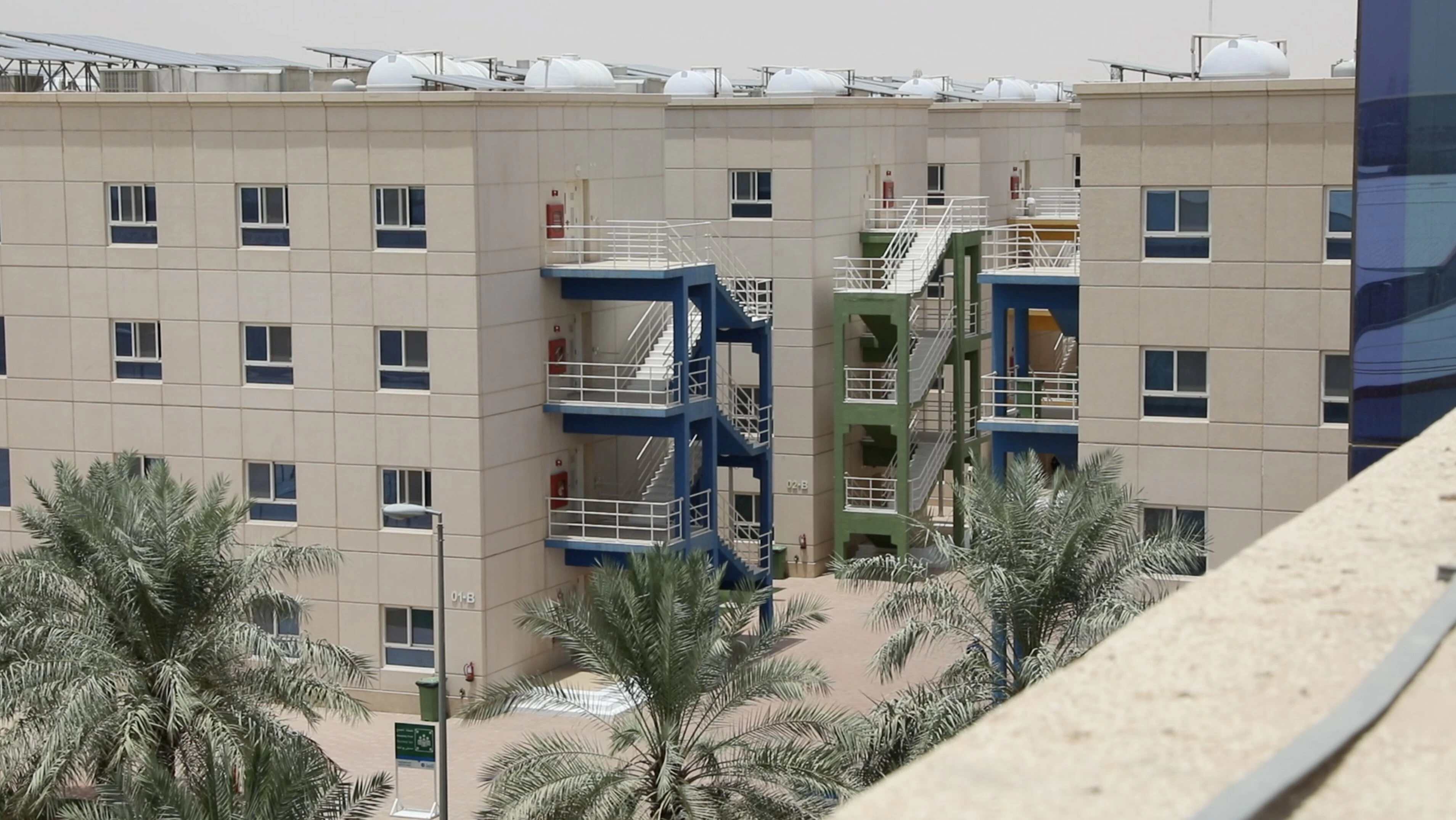
شدّدت وزارة البلديات والإسكان على المنشآت وأصحاب العمل بضرورة إعداد خطط إخلاء معتمدة ووضعها في مواقع بارزة في السكن الجماعي، وتوضيح مخارج الطوارئ ونقاط التجمع، والتأكد من معرفة جميع شاغلي السكن بالإجراءات الواجب اتباعها عند وقوع الحالات الطارئة.
كما أكدت مسؤولية أصحاب المنشآت في توفير بيئة سكنية آمنة ورفع مستوى الجاهزية للتعامل مع الحالات الطارئة.
وأوضحت أن منظومة السلامة تبدأ بالمحافظة على جاهزية مسارات الإخلاء ومخارج الطوارئ وإبقائها خالية من العوائق، وتوفير اللوحات المضيئة وأنظمة الإنارة الاحتياطية التي تعمل تلقائياً عند انقطاع التيار الكهربائي، وتزويد أبواب الطوارئ بآليات تتيح فتحها من الداخل بسهولة، وألا تعوق أنظمة الإغلاق استخدامها عند الإخلاء.
وشددت البلديات على ضرورة التحقق من جاهزية أنظمة الإنذار ومكافحة الحريق، وإجراء الصيانة الدورية لها، ومنع التخزين العشوائي داخل مرافق السكن أو في الممرات والمخارج، مع الالتزام بالطاقة الاستيعابية المعتمدة لكل منشأة.
وأكدت أن جاهزية العنصر البشري تمثّل ركيزة أساسية في منظومة السلامة، ما يستوجب تدريب شاغلي السكن بصورة دورية على إجراءات الإخلاء، وتنفيذ فرضيات تحاكي الحالات الطارئة، وتعريفهم بالاستخدام الآمن لوسائل الإطفاء الأولية؛ لتعزيز سرعة الاستجابة وحسن التصرف.
واختتمت الوزارة بتأكيدها أن التقيد باشتراطات السلامة لا يقتصر على الوفاء بالمتطلبات النظامية، بل يمثّل مسؤولية مباشرة في الوقاية من الحوادث والمحافظة على سلامة الساكنين، مشيرةً إلى أن الجاهزية والتعامل السليم خلال الدقائق الأولى من أي حالة طارئة يسهمان في الحد من الخسائر وتوفير بيئة سكن جماعي آمنة ومستدامة.
The Ministry of Municipalities and Housing emphasized to establishments and employers the necessity of preparing approved evacuation plans and placing them in prominent locations within collective housing, clarifying emergency exits and assembly points, and ensuring that all occupants are aware of the procedures to follow in the event of emergencies.
It also affirmed the responsibility of establishment owners to provide a safe living environment and enhance readiness to deal with emergencies.
It explained that the safety system begins with maintaining the readiness of evacuation routes and emergency exits, keeping them free of obstacles, providing illuminated signs and backup lighting systems that operate automatically during power outages, and equipping emergency doors with mechanisms that allow them to be easily opened from the inside, ensuring that locking systems do not hinder their use during evacuation.
The municipalities stressed the importance of verifying the readiness of fire alarm and firefighting systems, conducting regular maintenance on them, and preventing random storage within housing facilities or in corridors and exits, while adhering to the approved occupancy capacity for each establishment.
It confirmed that the readiness of human resources represents a fundamental pillar in the safety system, necessitating regular training for occupants on evacuation procedures, conducting drills that simulate emergency situations, and educating them on the safe use of primary firefighting equipment to enhance response speed and appropriate action.
The ministry concluded by affirming that adherence to safety requirements is not limited to meeting regulatory demands but represents a direct responsibility in preventing accidents and maintaining the safety of residents, noting that readiness and proper handling during the first minutes of any emergency contribute to reducing losses and providing a safe and sustainable collective living environment.