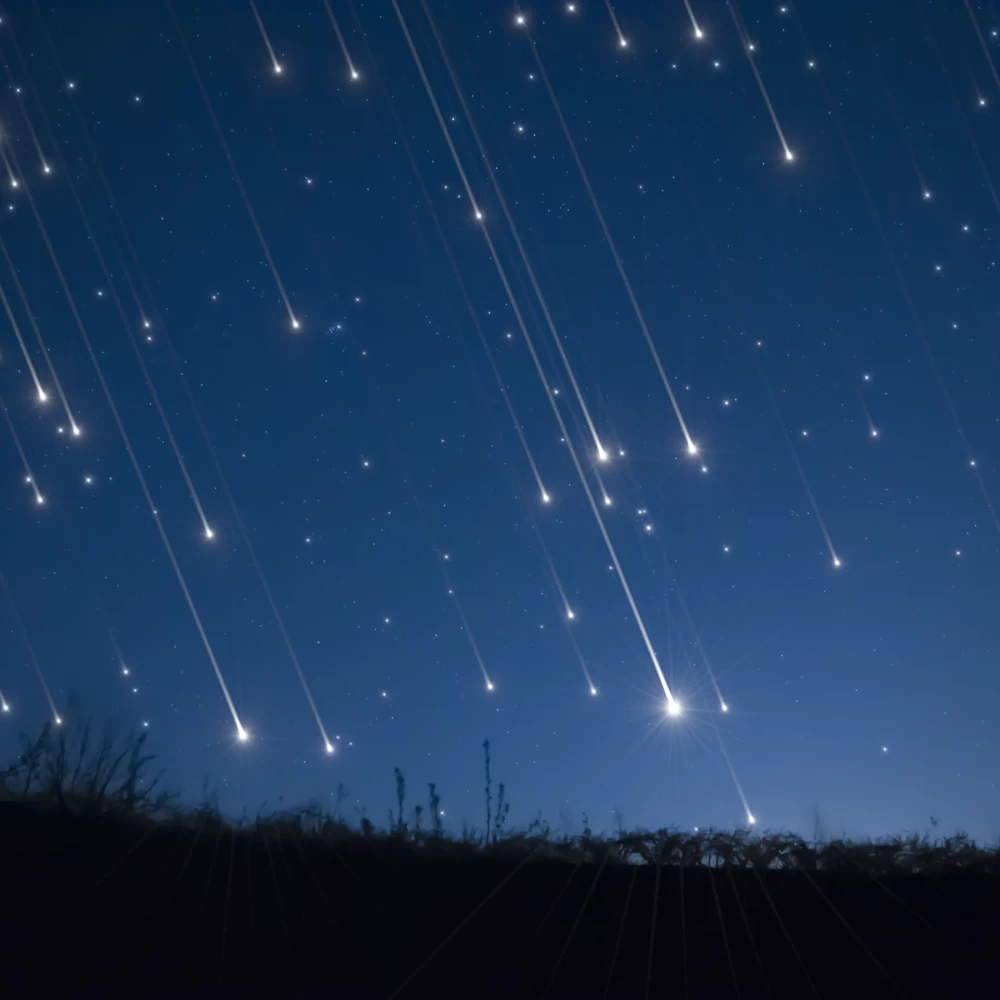
تترقب سماء البلاد العربية خلال الساعات التي تسبق شروق شمس غدٍ (الخميس) ذروة زخة شهب دلتا الدلويات، في مشهد فلكي سنوي يُعد من أبرز الظواهر السماوية التي تستقطب هواة الرصد والتصوير الفلكي، إذ يُتوقع ظهور عدد من الشهب بالعين المجردة في المواقع البعيدة عن التلوث الضوئي.
وأوضح رئيس الجمعية الفلكية بجدة المهندس ماجد أبو زاهرة أن زخة شهب دلتا الدلويات قد تبلغ في أفضل الظروف الرصدية نحو 25 شهاباً في الساعة، مبيناً أن العدد الفعلي للشهب المرئية يعتمد على عوامل عدة، من أبرزها سطوع القمر وصفاء الأجواء ومستوى التلوث الضوئي في موقع الرصد.
وأشار إلى أن أفضل أوقات متابعة الظاهرة تبدأ قرابة الساعة الثالثة فجراً مع ارتفاع نقطة إشعاع الزخة في الأفق الجنوبي، ويستمر نشاطها حتى بداية الفجر، لافتاً إلى أن اقتراب القمر من طور البدر سيؤدي إلى زيادة إضاءة السماء، الأمر الذي سيحد من رؤية الشهب الخافتة، في حين ستظل الشهب الأكثر لمعاناً قابلة للرصد بوضوح.
وأفاد أبو زاهرة أن الشهب تبدو ظاهرياً وكأنها تنطلق من نقطة تقع في كوكبة الدلو بالقرب من النجم دلتا الدلو، وهو ما منح الزخة تسميتها، رغم أن الشهب قد تظهر في مختلف أنحاء السماء، مبيناً أن زخة شهب دلتا الدلويات تنشط سنوياً خلال الفترة من 12 يوليو حتى 23 أغسطس، حيث تدخل جسيماتها الغلاف الجوي للأرض بسرعة تقارب 41 كيلومتراً في الثانية، فتحترق على ارتفاع يتراوح بين 70 و100 كيلومتر، مكوّنة خطوطاً ضوئية لامعة تُعرف بالشهب، وقد يخلّف بعضها أثراً ضوئياً يستمر لعدة ثوانٍ.
وأضاف أن الدراسات الفلكية تشير إلى أن مصدر هذه الزخة هو المذنب الدوري 96P/ ماكهولز، إذ تعبر الأرض سنوياً تياراً من الغبار والجسيمات الدقيقة التي خلّفها المذنب على امتداد مداره حول الشمس، وعند دخولها الغلاف الجوي تحتك بالهواء وتحترق، فتنتج عنها الظاهرة المعروفة بزخة الشهب.
وأشار إلى أن نشاط الزخة سيستمر بعد ذروتها لعدة أسابيع، وسيتداخل تدريجياً مع بداية نشاط زخة شهب البرشاويات، ما يجعل أواخر شهر يوليو وبداية أغسطس من أكثر فترات العام ثراءً بالظواهر الشهابية، رغم تأثير ضوء القمر هذا العام في تقليل عدد الشهب التي يمكن رصدها بالعين المجردة.
The skies over the Arab countries are anticipating the peak of the Delta Aquarids meteor shower during the hours leading up to the sunrise tomorrow (Thursday), in an annual astronomical event that is considered one of the most prominent celestial phenomena attracting enthusiasts of observation and astrophotography, as a number of meteors are expected to be visible to the naked eye in locations far from light pollution.
The head of the Astronomical Society in Jeddah, Engineer Majid Abu Zahra, explained that the Delta Aquarids meteor shower could reach up to 25 meteors per hour under the best observational conditions, noting that the actual number of visible meteors depends on several factors, the most prominent of which are the brightness of the moon, the clarity of the atmosphere, and the level of light pollution at the observation site.
He pointed out that the best times to observe the phenomenon begin around 3 AM when the radiant point of the shower rises in the southern horizon, and its activity continues until dawn, indicating that the moon's proximity to the full moon phase will increase the brightness of the sky, which will limit the visibility of faint meteors, while the brighter meteors will still be clearly observable.
Abu Zahra stated that the meteors appear to emanate from a point located in the constellation Aquarius near the star Delta Aquarii, which is how the shower got its name, although the meteors can appear in various parts of the sky. He explained that the Delta Aquarids meteor shower is active annually from July 12 to August 23, as its particles enter the Earth's atmosphere at a speed of about 41 kilometers per second, burning up at an altitude ranging from 70 to 100 kilometers, creating bright streaks of light known as meteors, some of which may leave a light trail lasting several seconds.
He added that astronomical studies indicate that the source of this shower is the periodic comet 96P/Machholz, as the Earth crosses a stream of dust and tiny particles left by the comet along its orbit around the sun each year. When these particles enter the atmosphere, they collide with the air and burn up, resulting in the phenomenon known as a meteor shower.
He noted that the activity of the shower will continue for several weeks after its peak, gradually overlapping with the beginning of the activity of the Perseids meteor shower, making the end of July and the beginning of August some of the richest times of the year for meteor phenomena, despite the impact of moonlight this year in reducing the number of meteors that can be observed with the naked eye.