تشير الدراسات الحديثة الصادرة عن منظمة الصحة العالمية في التقرير العالمي للصحة السمعية إلى أن أكثر من 1.5 مليار شخص حول العالم يعانون من شكل من أشكال ضعف السمع، والعدد مرشح للارتفاع ليصل إلى 2.5 مليار بحلول 2050 من إذا لم تُتخذ إجراءات وقائية فعّالة. وتوضح المنظمة، أن 60% من حالات فقدان السمع لدى الأطفال يمكن الوقاية منها عبر تحسين الرعاية الصحية أثناء الحمل والولادة وعلاج التهابات الأذن مبكراً.
وتشير التقديرات العالمية إلى أن ثلث البالغين فوق سن 65 يعانون من درجات متفاوتة من ضعف السمع نتيجة الشيخوخة أو الأمراض المزمنة أو التعرّض الطويل للضوضاء. وتعكس هذه الأرقام حجم المشكلة عالمياً، وتؤكد أهمية الوعي والكشف المبكر، خصوصاً أن فقدان السمع قد يظهر منذ الولادة أو يتطور تدريجياً أو يحدث بشكل مفاجئ ما يؤدي إلى صعوبة التواصل وفهم الكلام والتفاعل مع الآخرين.
الضوضاء المهنية.. سبب
وفقاً لبيانات وزارة الصحة السعودية وتقارير هيئة الصحة العامة (وقاية)، يُعد فقدان السمع من المشكلات الصحية التي تتزايد الحاجة للوعي بها محلياً، إذ تشير التقديرات إلى أن نحو 15% من البالغين في السعودية يعانون من درجات متفاوتة من ضعف السمع، بينما يُعد فقدان السمع لدى الأطفال أحد أكثر المشكلات المؤثرة في النمو اللغوي والتعليمي، خصوصاً أن التهابات الأذن الوسطى تمثل السبب الأكثر شيوعاً لضعف السمع لدى الأطفال. كما تؤكد الصحة، أن الكشف المبكر عبر برنامج فحص السمع لحديثي الولادة أسهم في تحسين القدرة على اكتشاف الحالات مبكراً والحد من تأثيرها على تطور اللغة.
وتشير الإحصاءات الوطنية إلى أن التعرض للضوضاء المهنية يمثل أحد أهم أسباب ضعف السمع لدى البالغين في السعودية، خصوصاً في قطاعات مثل الصناعة والإنشاءات، ما يجعل برامج حماية السمع في أماكن العمل ضرورة صحية. كما تُعد الأمراض المزمنة مثل السكري عاملاً إضافياً يزيد من احتمالية الإصابة بضعف السمع الحسي العصبي. وتتوافق البيانات المحلية مع الاتجاهات العالمية التي تؤكد أن فقدان السمع مشكلة قابلة للوقاية في نسبة كبيرة من الحالات، وأن الوعي والكشف المبكر والتدخل العلاجي المناسب يمكن أن يقلل بشكل كبير من تأثيرها على جودة الحياة.
الهربس والسفلس وداء المقوسات
استشاري جراحة الأنف والأذن والحنجرة بمستشفى الملك فيصل التخصصي الدكتور أحمد الشهري، يرى أن أسباب ضعف السمع تختلف بشكل واضح بين الأطفال والبالغين، سواء من حيث طبيعتها أو آلية حدوثها، ما ينعكس على نوع فقدان السمع وطرق الوقاية والعلاج.
وأوضح أن فقدان السمع لدى الأطفال يرتبط غالباً بالعوامل الخلقية أو بالمشكلات التي تحدث خلال الحمل والولادة أو في السنوات الأولى من العمر، بينما يرتبط لدى البالغين غالباً بالتقدّم في العمر، أو التعرّض المزمن للضوضاء، أو الإصابة بأمراض مزمنة مثل السكري. وبيّن الشهري أن فقدان السمع عند الأطفال يكون في كثير من الحالات توصيلياً نتيجة التهابات الأذن الوسطى المتكررة أو تجمع السوائل خلف طبلة الأذن، وهو غالباً قابل للعلاج أو التحسن، في حين قد يكون حسياً عصبياً ودائماً عندما ينتج عن أسباب وراثية أو تشوهات خلقية أو إصابة القوقعة أو العصب السمعي.
وأشار إلى أن الأسباب الوراثية تشمل الطفرات الجينية والمتلازمات الوراثية والتشوهات الخلقية في الأذن، فيما تشمل الأسباب المكتسبة العدوى التي تصيب الأم أثناء الحمل مثل الفايروس المضخم للخلايا، والحصبة الألمانية، والهربس، وداء المقوسات، والسفلس، إضافة إلى مضاعفات الولادة مثل الولادة المبكرة، وانخفاض الوزن عند الولادة، ونقص الأكسجين، واليرقان الشديد، والحاجة إلى أجهزة التنفس الصناعي، فضلاً عن التهاب السحايا أو الإنتان الدموي.
السماعات المكبرة.. تتلف السمع!
الدكتور الشهري، يرى أن الأطفال الأكبر سنّاً قد يفقدون السمع نتيجة التهابات الأذن الوسطى المتكررة، أو تراكم الشمع، أو وجود جسم غريب داخل القناة السمعية، أو التعرض للضوضاء، أو إصابات الرأس، أو استخدام بعض الأدوية السامة للأذن، أو الإصابة بعدوى فايروسية مثل الحصبة أو النكاف. وأشار إلى أن نحو 60% من حالات فقدان السمع لدى الأطفال يمكن الوقاية منها عبر الرعاية الصحية المناسبة للأم والطفل، والوقاية من العدوى، وعلاج التهابات الأذن مبكراً.
وأوضح الدكتور الشهري، أن فقدان السمع لدى البالغين يكون غالباً حسياً عصبياً، ويحدث نتيجة التقدّم في العمر أو التعرّض المستمر للأصوات المرتفعة، سواء في بيئات العمل أو بسبب الاستخدام المطول لسماعات الأذن، الأمر الذي يؤدي إلى تلف الخلايا الشعرية داخل القوقعة، وهي خلايا لا تتجدد بعد تلفها.
وأضاف استشاري السمع الدكتور الشهري، أن من الأسباب الأخرى إصابات الرأس، وتمزق طبلة الأذن، والتهابات الأذن المزمنة، والأورام الكوليستيرولية، وبعض الأدوية مثل أدوية علاج السرطان وبعض المضادات الحيوية، إضافة إلى الأمراض المزمنة كأمراض القلب والسكري، فضلاً عن الصمم الشيخوخي الناتج عن التدهور الطبيعي في خلايا القوقعة والعصب السمعي.
وأكد أن التشخيص الدقيق عبر الفحوصات السمعية المتخصصة يظل الوسيلة الأساسية لتحديد نوع فقدان السمع وسببه، خصوصاً لدى الأطفال، لتجنب تأثير ضعف السمع في النطق والتعلم.
لا يسمع في البيئات الصاخبة
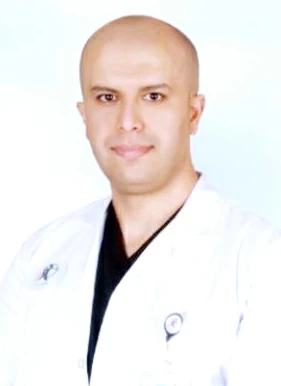
أخصائي أول الأنف والأذن والحنجرة الدكتور فراس نايف قال: عُرّف فقدان السمع بانخفاض في القدرة على سماع الأصوات أو فهم الكلام بدرجات متفاوتة، وقد يصيب أذناً واحدة أو كلتا الأذنين، ويعد أكثر شيوعاً بين كبار السن.
وينقسم فقدان السمع إلى أنواع، منها فقدان السمع التوصيلي الناتج عن خلل في انتقال الصوت عبر الأذن الخارجية أو الوسطى، ويشعر فيه المريض بانسداد في الأذن مع سماع الأصوات بصورة مكتومة، خصوصاً في الأماكن المزدحمة. وفقدان السمع الحسي العصبي، ويحدث نتيجة تلف القوقعة أو العصب السمعي، ولا تقتصر المشكلة على انخفاض شدة الصوت، بل تمتد إلى صعوبة فهم الكلام، خاصة في البيئات الصاخبة بينما يجمع فقدان السمع المختلط بين النوعين.
وأشار الدكتور فراس، إلى أن العلامات المبكرة تشمل ضعف سماع الأصوات، وصعوبة فهم الحديث في الأماكن المزدحمة، والحاجة إلى طلب إعادة الكلام باستمرار، ورفع صوت التلفزيون أو الراديو، والابتعاد عن المناسبات الاجتماعية، إضافة إلى طنين الأذن.
وأكد أن الضوضاء تعد من أخطر مسببات فقدان السمع، إذ تؤدي إلى إتلاف الخلايا الشعرية الدقيقة داخل الأذن الداخلية، مشيراً إلى أن هذه الخلايا لا تتجدد بعد تلفها، ما يجعل فقدان السمع دائماً في كثير من الحالات.
الصوت العالي يفقدك السمع للأبد
الدكتور فراس، يوضح أن الضرر الناتج عن الضوضاء يحدث تدريجياً، إذ يبدأ بإجهاد الخلايا الشعرية وظهور طنين أو ضعف مؤقت في السمع، ثم يتحول إلى تلف دائم مع استمرار التعرض للأصوات المرتفعة والأصوات التي تتجاوز 85 ديسيبل قد تسبّب ضرراً عند التعرض لها لفترات طويلة، بينما قد يؤدي التعرض لصوت بقوة 100 ديسيبل لمدة تزيد على 15 دقيقة إلى فقدان سمع دائم.
وأشار إلى أن العلاج يعتمد على سبب فقدان السمع، فقد يكون بسيطاً مثل إزالة شمع الأذن أو علاج الالتهابات، وقد يتطلب تدخلاً جراحياً لإصلاح طبلة الأذن أو علاج تصلب العظيمات أو تركيب أنابيب تهوية أو إعادة بناء العظيمات أو إزالة الأورام. كما تُعد زراعة القوقعة خياراً علاجياً فعّالاً للحالات الشديدة التي لا تستفيد من السماعات الطبية، في حين تُستخدم المعينات السمعية لتعويض ضعف السمع الناتج عن تلف الأذن الداخلية.
وأكد أن فقدان السمع لدى الأطفال يؤثر بصورة مباشرة في تطور اللغة والنطق والتحصيل الدراسي، موضحاً أن التدخل المبكر قبل عمر ستة أشهر يحقق أفضل النتائج في اكتساب اللغة مقارنة بالتشخيص المتأخر.
هل أحتاج إلى قراءة الشفاه؟
رئيس مركز زراعة القوقعة الإلكترونية ورئيس مركز الأنف والأذن والحنجرة بمستشفى الملك فهد العام بجدة الدكتور جاد محمد موني، يرى أن ضعف السمع قد ينشأ نتيجة أمراض أو التهابات تصيب الأذن الخارجية أو الوسطى أو الداخلية، وقد يكون مؤقتاً أو دائماً بحسب السبب. وقال: إن من أكثر الأسباب شيوعاً التهابات الأذن الوسطى المصحوبة بتجمع السوائل خلف طبلة الأذن، والتهابات الأذن الخارجية، والالتهابات الفايروسية التي قد تصيب القوقعة أو العصب السمعي، إضافة إلى اضطرابات المناعة الذاتية، وتمزق طبلة الأذن، وتراكم الشمع، وتصلب العظيمات، وفي حالات نادرة الأورام التي تضغط على العصب السمعي.
وأضاف الدكتور موني، أن ضعف السمع يؤثر بصورة مباشرة في التواصل اليومي، إذ يحد من القدرة على فهم الكلام، خصوصاً في الأماكن المزدحمة، ويجعل المريض بحاجة إلى تكرار الحديث أو الاعتماد على قراءة الشفاه، وهو ما قد يقوده إلى العزلة الاجتماعية.
لا تستخدم أعواد القطن
الدكتور موني، أشار إلى أن فقدان السمع لدى الأطفال قد ينتج عن عوامل وراثية، أو عدوى أثناء الحمل، أو الولادة المبكرة، أو نقص الأكسجين، أو التهابات الأذن المتكررة، أو أمراض مثل التهاب السحايا والحصبة والنكاف، أو التعرض للضوضاء، أو دخول أجسام غريبة إلى الأذن، مؤكداً أهمية ملاحظة استجابة الطفل للأصوات للكشف المبكر.
وأوضح أن الوراثة تلعب دوراً مهماً في كثير من الحالات، سواء من خلال طفرات جينية سائدة أو متنحية أو مرتبطة بالكروموسوم، وقد تزيد من حساسية الأذن للعوامل البيئية مثل الضوضاء أو بعض الأدوية. وبيّن أن استخدام السماعات الطبية يصبح ضرورياً عندما يؤثر ضعف السمع في القدرة على فهم الكلام مع التأكيد على أهمية استخدامها مبكراً لدى الأطفال الذين يعانون تأخراً في اكتساب اللغة.
وأكد الدكتور موني، أن علاج فقدان السمع يعتمد على نوعه، إذ يعالج النوع التوصيلي بإزالة السبب مثل الالتهابات أو الشمع أو إصلاح طبلة الأذن، بينما يُعوض النوع الحسي العصبي بالسماعات الطبية أو زراعة القوقعة، إضافة إلى العلاج الدوائي في بعض الحالات مثل فقدان السمع المفاجئ.
وحذّر الدكتور موني، من استخدام الأعواد القطنية لتنظيف الأذن، موضحاً أنها قد تدفع الشمع إلى الداخل، أو تسبب خدوشاً بالقناة السمعية، أو تمزقاً في طبلة الأذن، ما قد يؤدي إلى ضعف سمع مؤقت أو دائم؛ لذلك يُنصح بتجنب استخدامها واللجوء إلى الطبيب عند الحاجة إلى تنظيف الأذن.
Recent studies published by the World Health Organization in the World Report on Hearing indicate that more than 1.5 billion people worldwide suffer from some form of hearing loss, with the number projected to rise to 2.5 billion by 2050 if effective preventive measures are not taken. The organization clarifies that 60% of cases of hearing loss in children can be prevented through improved healthcare during pregnancy and childbirth and early treatment of ear infections.
Global estimates suggest that one-third of adults over the age of 65 suffer from varying degrees of hearing loss due to aging, chronic diseases, or prolonged exposure to noise. These figures reflect the magnitude of the problem globally and emphasize the importance of awareness and early detection, especially since hearing loss can be present from birth, develop gradually, or occur suddenly, leading to difficulties in communication, understanding speech, and interacting with others.
Occupational Noise.. A Cause
According to data from the Saudi Ministry of Health and reports from the Public Health Authority (Weqaya), hearing loss is one of the health issues that increasingly requires local awareness, with estimates indicating that about 15% of adults in Saudi Arabia suffer from varying degrees of hearing loss. Additionally, hearing loss in children is one of the most significant issues affecting language and educational development, especially since middle ear infections are the most common cause of hearing loss in children. Health authorities confirm that early detection through the newborn hearing screening program has contributed to improving the ability to identify cases early and reduce their impact on language development.
National statistics indicate that exposure to occupational noise is one of the leading causes of hearing loss among adults in Saudi Arabia, particularly in sectors such as industry and construction, making hearing protection programs in workplaces a health necessity. Chronic diseases such as diabetes are also an additional factor that increases the likelihood of developing sensorineural hearing loss. Local data aligns with global trends that confirm that hearing loss is a preventable issue in a significant number of cases, and that awareness, early detection, and appropriate therapeutic intervention can greatly reduce its impact on quality of life.
Herpes, Syphilis, and Toxoplasmosis
Dr. Ahmed Al-Shahri, an ENT consultant at King Faisal Specialist Hospital, believes that the causes of hearing loss differ significantly between children and adults, both in terms of their nature and mechanisms, which reflects on the type of hearing loss and the methods of prevention and treatment.
He explained that hearing loss in children is often related to congenital factors or problems that occur during pregnancy and childbirth or in the early years of life, while in adults, it is often associated with aging, chronic noise exposure, or chronic diseases such as diabetes. Al-Shahri indicated that hearing loss in children is often conductive due to recurrent middle ear infections or fluid accumulation behind the eardrum, which is usually treatable or improvable, whereas it can be sensorineural and permanent when caused by genetic factors, congenital malformations, or damage to the cochlea or auditory nerve.
He noted that genetic causes include genetic mutations, genetic syndromes, and congenital ear malformations, while acquired causes include infections affecting the mother during pregnancy such as cytomegalovirus, rubella, herpes, toxoplasmosis, syphilis, in addition to birth complications such as premature birth, low birth weight, oxygen deprivation, severe jaundice, and the need for ventilators, as well as meningitis or sepsis.
Hearing Aids.. Can Damage Hearing!
Dr. Al-Shahri believes that older children may lose their hearing due to recurrent middle ear infections, wax buildup, the presence of a foreign body in the ear canal, noise exposure, head injuries, or the use of certain ototoxic medications, or viral infections such as measles or mumps. He pointed out that about 60% of cases of hearing loss in children can be prevented through appropriate healthcare for the mother and child, infection prevention, and early treatment of ear infections.
Dr. Al-Shahri explained that hearing loss in adults is often sensorineural and occurs due to aging or continuous exposure to loud sounds, whether in work environments or due to prolonged use of earphones, which leads to damage to the hair cells inside the cochlea, which do not regenerate after being damaged.
He added that other causes include head injuries, ruptured eardrums, chronic ear infections, cholesteatoma, and certain medications such as cancer treatments and some antibiotics, in addition to chronic diseases like heart disease and diabetes, as well as age-related hearing loss resulting from the natural degeneration of cochlear and auditory nerve cells.
He emphasized that accurate diagnosis through specialized hearing tests remains the primary means of determining the type of hearing loss and its cause, especially in children, to avoid the impact of hearing loss on speech and learning.
Cannot Hear in Noisy Environments
Senior ENT Specialist Dr. Firas Nayef stated: Hearing loss is defined as a decrease in the ability to hear sounds or understand speech to varying degrees, and it can affect one ear or both, being more common among the elderly.
Hearing loss is divided into types, including conductive hearing loss resulting from a malfunction in sound transmission through the outer or middle ear, where the patient feels a blockage in the ear with muffled sounds, especially in crowded places. Sensorineural hearing loss occurs due to damage to the cochlea or auditory nerve, and the problem is not limited to reduced sound intensity but extends to difficulties in understanding speech, especially in noisy environments, while mixed hearing loss combines both types.
Dr. Firas pointed out that early signs include difficulty hearing sounds, difficulty understanding speech in crowded places, the need to frequently ask for repetition, increasing the volume of the television or radio, and withdrawing from social events, in addition to tinnitus.
He confirmed that noise is one of the most dangerous causes of hearing loss, as it leads to damage to the delicate hair cells inside the inner ear, noting that these cells do not regenerate after being damaged, making hearing loss permanent in many cases.
Loud Sounds Can Cause Permanent Hearing Loss
Dr. Firas explains that the damage caused by noise occurs gradually, starting with stress on the hair cells and the appearance of tinnitus or temporary hearing loss, then turning into permanent damage with continued exposure to loud sounds, with sounds exceeding 85 decibels potentially causing harm when exposed for long periods, while exposure to sounds at 100 decibels for more than 15 minutes can lead to permanent hearing loss.
He noted that treatment depends on the cause of hearing loss, which may be simple, such as removing earwax or treating infections, or it may require surgical intervention to repair the eardrum, treat otosclerosis, insert ventilation tubes, reconstruct the ossicles, or remove tumors. Cochlear implants are also an effective treatment option for severe cases that do not benefit from hearing aids, while hearing aids are used to compensate for hearing loss resulting from damage to the inner ear.
He emphasized that hearing loss in children directly affects language, speech, and academic development, explaining that early intervention before the age of six months achieves the best results in language acquisition compared to late diagnosis.
Do I Need to Read Lips?
Dr. Jad Mohammed Mouni, head of the cochlear implant center and head of the ENT center at King Fahd General Hospital in Jeddah, believes that hearing loss may arise from diseases or infections affecting the outer, middle, or inner ear, and it can be temporary or permanent depending on the cause. He stated that one of the most common causes is middle ear infections accompanied by fluid accumulation behind the eardrum, external ear infections, and viral infections that may affect the cochlea or auditory nerve, in addition to autoimmune disorders, eardrum rupture, wax buildup, and otosclerosis, and in rare cases, tumors pressing on the auditory nerve.
Dr. Mouni added that hearing loss directly affects daily communication, as it limits the ability to understand speech, especially in crowded places, and makes the patient need to repeat conversations or rely on lip reading, which may lead to social isolation.
Do Not Use Cotton Swabs
Dr. Mouni pointed out that hearing loss in children may result from genetic factors, infections during pregnancy, premature birth, oxygen deprivation, recurrent ear infections, or diseases such as meningitis, measles, and mumps, or exposure to noise, or foreign bodies entering the ear, emphasizing the importance of observing the child's response to sounds for early detection.
He explained that genetics play an important role in many cases, whether through dominant or recessive genetic mutations or X-linked traits, and may increase the ear's sensitivity to environmental factors such as noise or certain medications. He indicated that the use of hearing aids becomes necessary when hearing loss affects the ability to understand speech, emphasizing the importance of their early use in children who experience delays in language acquisition.
Dr. Mouni confirmed that the treatment of hearing loss depends on its type, as conductive hearing loss is treated by removing the cause, such as infections or wax or repairing the eardrum, while sensorineural hearing loss is compensated with hearing aids or cochlear implants, in addition to medication in some cases such as sudden hearing loss.
Dr. Mouni warned against using cotton swabs to clean the ear, explaining that they may push wax inward, cause scratches in the ear canal, or rupture the eardrum, which may lead to temporary or permanent hearing loss; therefore, it is advised to avoid using them and to consult a doctor when there is a need to clean the ear.