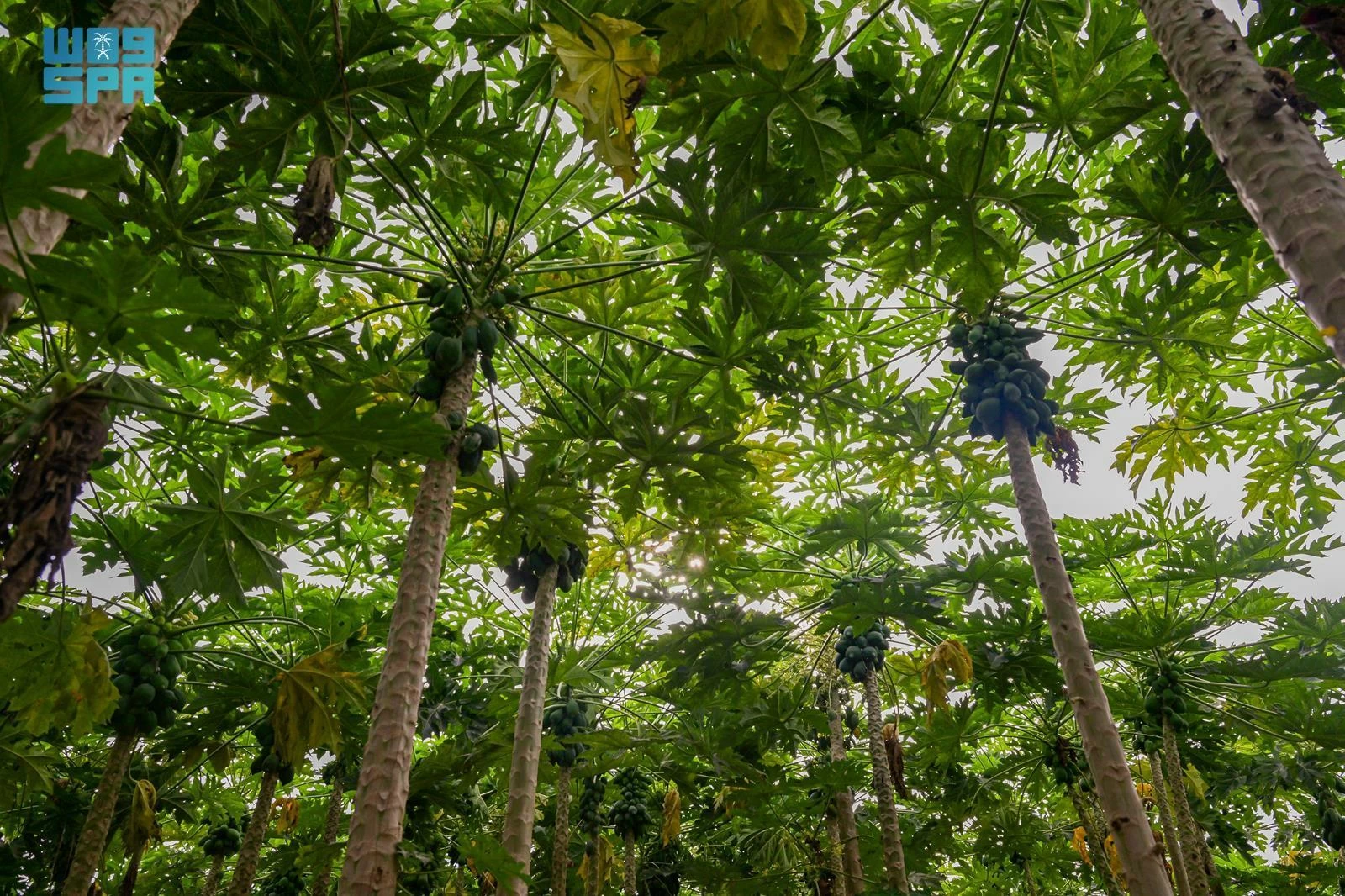
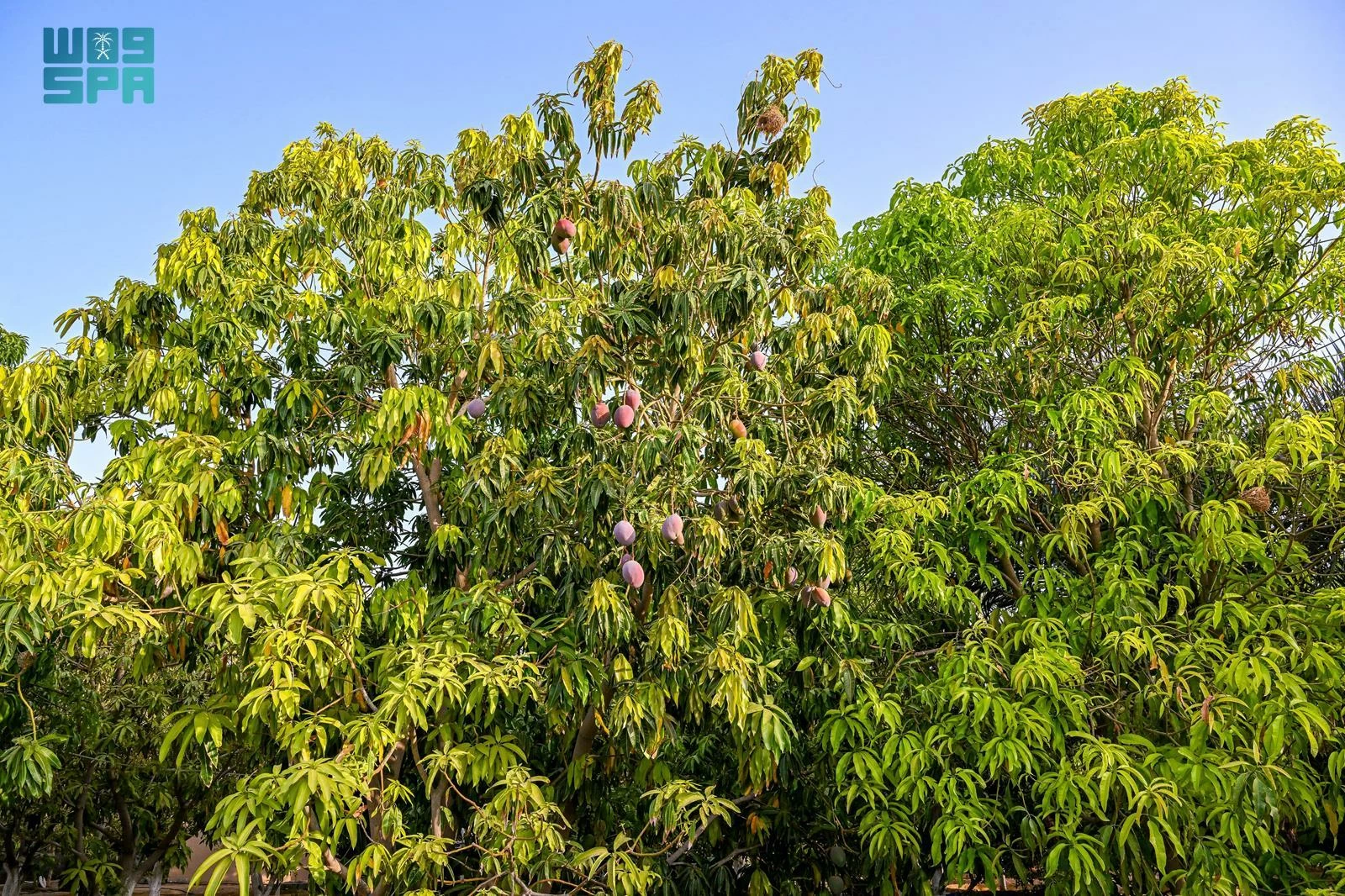
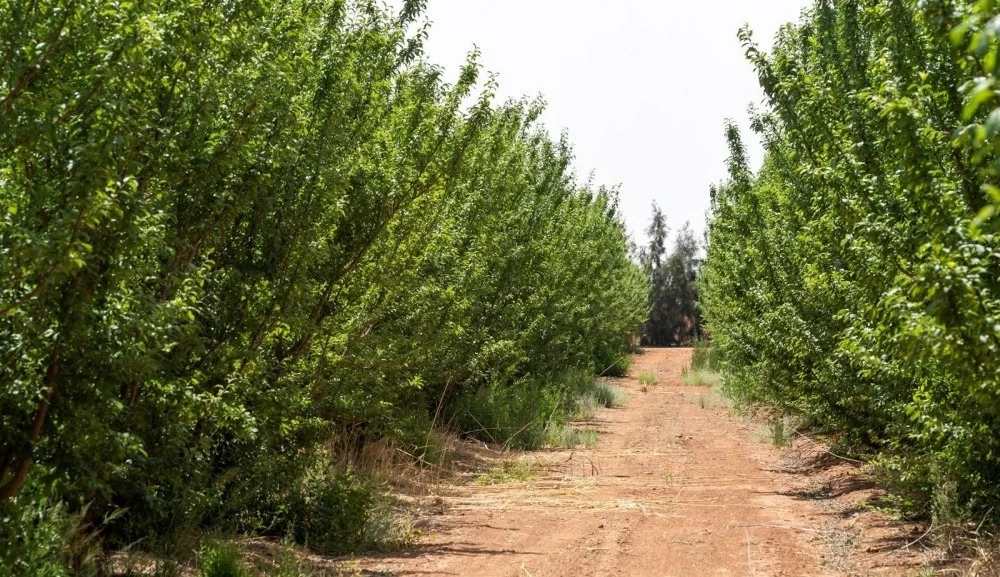
أكدت وزارة البيئة والمياه والزراعة أن التشجير يمثل أحد أبرز الحلول الطبيعية للتخفيف من آثار ارتفاع درجات الحرارة في فصل الصيف، لما يسهم به في تلطيف الأجواء، وتحسين جودة الهواء، وتعزيز الاستدامة البيئية، ورفع جودة الحياة. وأوضحت أن الأشجار تسهم في خفض درجات الحرارة عبر توفير الظل، وتقليل امتصاص الحرارة في الأرصفة والأسطح، إضافة إلى عملية النتح التي تطلق من خلالها بخار الماء، ما يساعد على تبريد الهواء المحيط وتحسين الأجواء في المدن والمتنزهات والمساحات المفتوحة. كما تمتص الشجرة في المتوسط نحو 150 كيلوغراماً من ثاني أكسيد الكربون سنوياً.
وأضافت وزارة البيئة أن التوسع في المساحات الخضراء ينعكس إيجاباً على صحة الإنسان من خلال الحد من التوتر وتحسين الصحة النفسية، وتنقية الهواء من الملوثات، والحد من التلوث الضوضائي، ودعم إدارة مياه الأمطار، إلى جانب تعزيز التنوع الأحيائي عبر توفير موائل للكائنات الحية ودعم الملقحات الطبيعية.
ودعت الوزارة أفراد المجتمع إلى اختيار الأشجار المحلية كونها أكثر تكيفاً مع الظروف المناخية في المملكة وأقل استهلاكاً للمياه، بما يعزز كفاءة استخدام الموارد الطبيعية ويرفع فرص نجاح مشاريع التشجير واستدامتها.
كما حثت على اتباع الممارسات الزراعية السليمة خلال فصل الصيف، ومنها الري في الأوقات المناسبة، واستخدام أنظمة الري بالتنقيط التي تقلل فاقد المياه بالتبخر بنسبة تصل إلى 50% مقارنة بالري التقليدي، إضافة إلى استخدام الغطاء العضوي حول الأشجار للمحافظة على رطوبة التربة وتنظيم حرارتها والحد من نمو الأعشاب الضارة.
The Ministry of Environment, Water, and Agriculture has confirmed that afforestation represents one of the most prominent natural solutions to mitigate the effects of rising temperatures in the summer, as it contributes to cooling the atmosphere, improving air quality, enhancing environmental sustainability, and raising the quality of life. It explained that trees help lower temperatures by providing shade and reducing heat absorption on pavements and surfaces, in addition to the transpiration process that releases water vapor, which helps cool the surrounding air and improve conditions in cities, parks, and open spaces. On average, a tree absorbs about 150 kilograms of carbon dioxide annually.
The Ministry of Environment added that the expansion of green spaces positively impacts human health by reducing stress, improving mental health, purifying the air from pollutants, reducing noise pollution, and supporting rainwater management, in addition to enhancing biodiversity by providing habitats for living organisms and supporting natural pollinators.
The ministry called on community members to choose local trees as they are more adapted to the climatic conditions in the Kingdom and consume less water, which enhances the efficiency of natural resource use and increases the chances of success and sustainability of afforestation projects.
It also urged the adoption of sound agricultural practices during the summer, including irrigating at appropriate times and using drip irrigation systems that reduce water loss through evaporation by up to 50% compared to traditional irrigation, in addition to using organic mulch around trees to maintain soil moisture, regulate temperature, and limit the growth of harmful weeds.