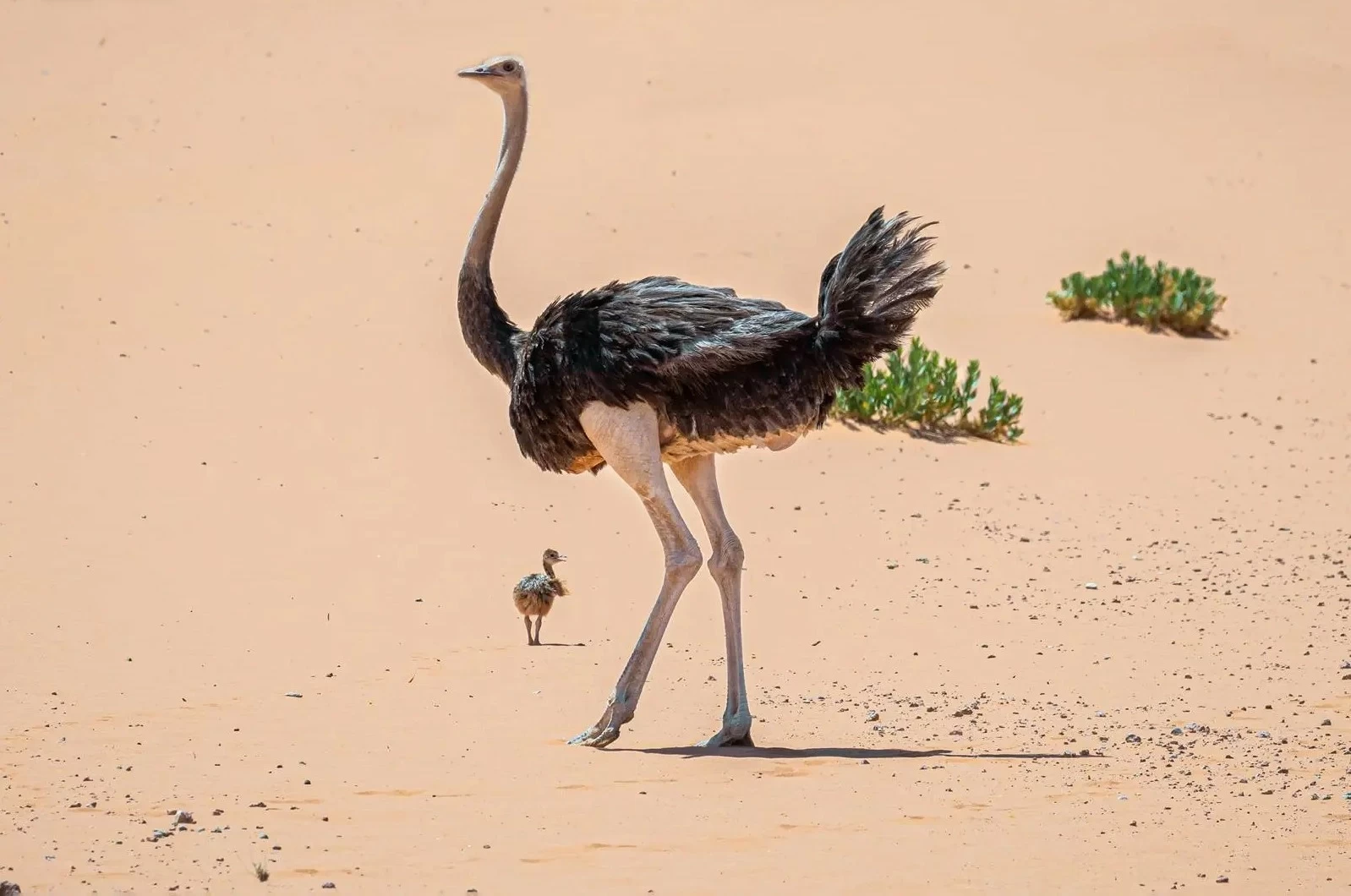
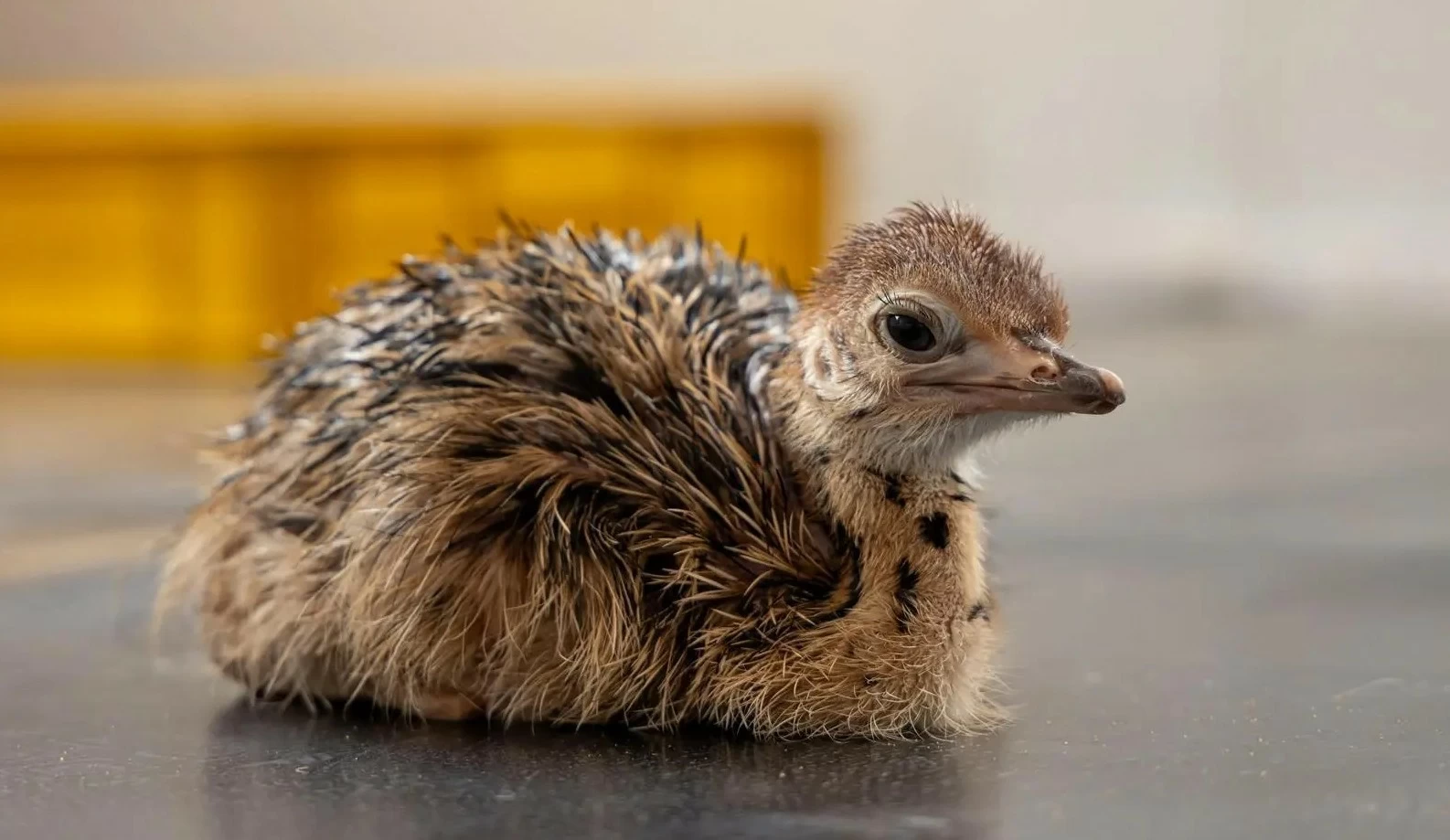
تكللت جهود هيئة تطوير محمية الإمام عبدالعزيز بن محمد الملكية في تعزيز إكثار النعام أحمر الرقبة بنتائج إيجابية تمثلت في تزايد أعداد الفراخ في روضة خريم، ضمن برنامج نوعي يهدف إلى دعم تكاثر هذا النوع وتعزيز وجوده في موائله الطبيعية الملائمة داخل المحمية، بما يسهم في إثراء التنوع الأحيائي ودعم استدامة الحياة الفطرية.
ويأتي البرنامج امتداداً لجهود الهيئة في المحافظة على الكائنات الفطرية الأصيلة وتعزيز وجودها وتكاثرها في بيئاتها الطبيعية داخل محمية الإمام عبدالعزيز بن محمد الملكية. ويمثل النعام أحد المكونات البيئية المرتبطة بتاريخ الجزيرة العربية وصحراء الدهناء في نجد، ويسهم تعزيز وجوده في دعم التوازن البيئي واستدامة النظم الطبيعية.
وتكتسب روضة خريم دلالة بيئية وتاريخية خاصة من خلال ارتباطها باسم «ذات الرئال»، والرئال جمع رَأْل، وهو فرخ النعام، بما يعكس حضور هذا النوع في الذاكرة البيئية للمنطقة، ويمنح البرنامج بُعداً يرتبط بتاريخ الحياة الفطرية في الجزيرة العربية.
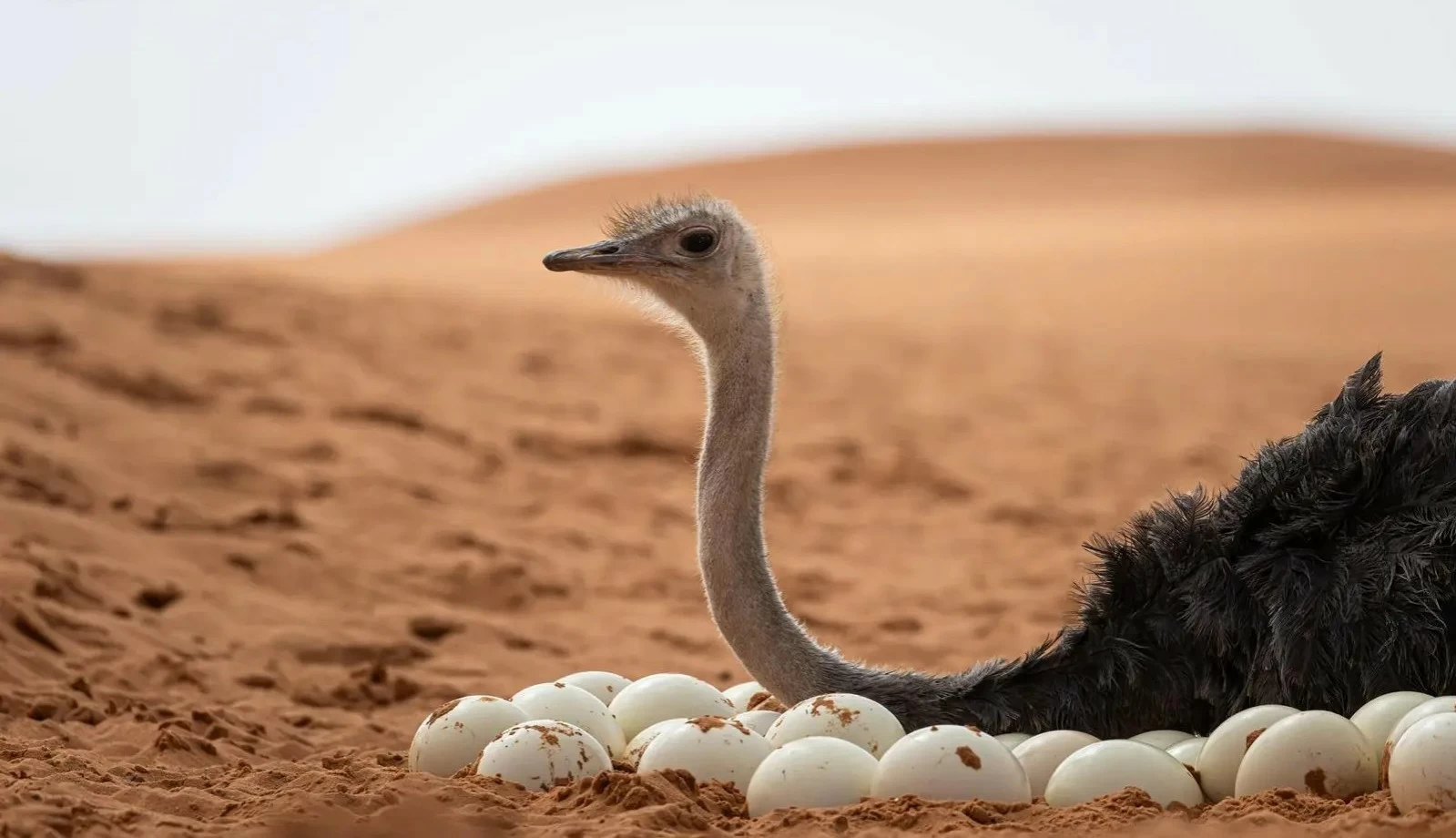
ويعتمد البرنامج على مسارين متكاملين لرفع فرص نجاح الإكثار؛ يتمثل الأول في متابعة الاحتضان الطبيعي داخل الأعشاش من خلال الرصد الميداني ومراقبة مراحل وضع البيض والفقس، فيما يتمثل الثاني في الاحتضان المعزز عبر نقل جزء من البيوض إلى المفرخات والحضانات المخصصة ومتابعتها وفق إجراءات فنية وصحية دقيقة تعزز فرص بقاء الفراخ ونموها خلال مراحلها الأولى.
ويستهدف فريق الحياة الفطرية في الهيئة رفع نسبة التكاثر المعزز للنعام أحمر الرقبة إلى أكثر من 30%، من خلال برامج رعاية وتأهيل متخصصة تشمل الفحوصات البيطرية والتغذية المناسبة لكل مرحلة عمرية، إلى جانب التهيئة التدريجية للاندماج في البيئة الطبيعية، بما يعزز قدرة الفراخ على التكيف مع موائلها الفطرية عند اكتمال جاهزيتها.
ويعكس البرنامج نهج الهيئة في تطبيق أفضل الممارسات العلمية للمحافظة على الكائنات الفطرية وإعادة تأهيل الموائل الطبيعية، بما يسهم في تعزيز استدامة التنوع الأحيائي ويدعم مستهدفات رؤية المملكة 2030 في حماية البيئة وتنميتها، ويعزز دور المحميات الملكية في صون الموارد الطبيعية للأجيال القادمة.
The efforts of the Imam Abdulaziz bin Mohammed Royal Reserve Development Authority in enhancing the breeding of the Red-necked Ostrich have yielded positive results, reflected in the increasing number of chicks in the Khuraim Oasis, as part of a specialized program aimed at supporting the reproduction of this species and enhancing its presence in suitable natural habitats within the reserve, contributing to the enrichment of biodiversity and supporting the sustainability of wildlife.
The program extends the authority's efforts to preserve native wildlife and enhance its presence and reproduction in its natural environments within the Imam Abdulaziz bin Mohammed Royal Reserve. The ostrich represents one of the environmental components linked to the history of the Arabian Peninsula and the Dahna Desert in Najd, and enhancing its presence contributes to supporting ecological balance and the sustainability of natural systems.
Khuraim Oasis holds special environmental and historical significance through its association with the name "Dhat Al-Rial," where "rial" is the plural of "raal," meaning ostrich chick, reflecting the presence of this species in the environmental memory of the region, and giving the program a dimension related to the history of wildlife in the Arabian Peninsula.
The program relies on two integrated pathways to increase the chances of successful breeding; the first involves monitoring natural incubation within nests through field observation and monitoring the stages of egg-laying and hatching, while the second involves enhanced incubation by transferring some of the eggs to designated hatcheries and incubators and monitoring them according to precise technical and health procedures that enhance the chances of survival and growth of the chicks during their early stages.
The wildlife team at the authority aims to raise the enhanced breeding rate of the Red-necked Ostrich to over 30%, through specialized care and rehabilitation programs that include veterinary examinations and appropriate nutrition for each age stage, alongside gradual preparation for integration into the natural environment, enhancing the chicks' ability to adapt to their natural habitats when they are fully ready.
The program reflects the authority's approach in applying the best scientific practices for the conservation of wildlife and the rehabilitation of natural habitats, contributing to the sustainability of biodiversity and supporting the objectives of the Kingdom's Vision 2030 in protecting and developing the environment, while enhancing the role of royal reserves in preserving natural resources for future generations.