


تمكن الفريق الطبي بمستشفى الأمير محمد بن ناصر بجازان من إجراء علاج أسنان شامل تحت التخدير العام لطفل يبلغ من العمر ثلاثة أعوام، مصاب بمرض انحلال البشرة الفقاعي (Epidermolysis Bullosa)، أحد الأمراض الوراثية النادرة التي تتطلب عناية فائقة وإجراءات طبية دقيقة أثناء التدخلات العلاجية. وكان الطفل يعاني من آلام والتهابات متكررة في الفم أثّرت على قدرته على تناول الطعام وجودة حياته، ما استدعى إعداد خطة علاجية متكاملة شارك في تنفيذها فريق متعدد التخصصات، مع مراعاة طبيعة المرض وما يسببه من تحديات صحية معقدة. ويُعد انحلال البشرة الفقاعي مرضاً وراثياً نادراً ينتج عن خلل في البروتينات المسؤولة عن تماسك طبقات الجلد، ما يؤدي إلى هشاشة شديدة في الجلد والأغشية المخاطية، فتظهر الفقاعات والجروح عند أقل احتكاك أو إصابة، وقد تمتد الإصابة إلى الفم والمريء، مما يسبب صعوبة في تناول الطعام والكلام، ويجعل أي إجراء طبي أو جراحي، بما في ذلك علاج الأسنان، يتطلب احتياطات خاصة وخبرات متقدمة لتجنب حدوث مضاعفات. وتمكن الفريق الطبي من تنفيذ الخطة العلاجية تحت التخدير العام بنجاح؛ مع الالتزام بأعلى معايير السلامة والاحتياطات الطبية الخاصة بهذه الفئة من المرضى، ودون تسجيل أي مضاعفات، ولله الحمد، مع الحفاظ على سلامة الطفل طوال مراحل العلاج.
جازان: إنهاء معاناة طفل من «انحلال البشرة الفقاعي»
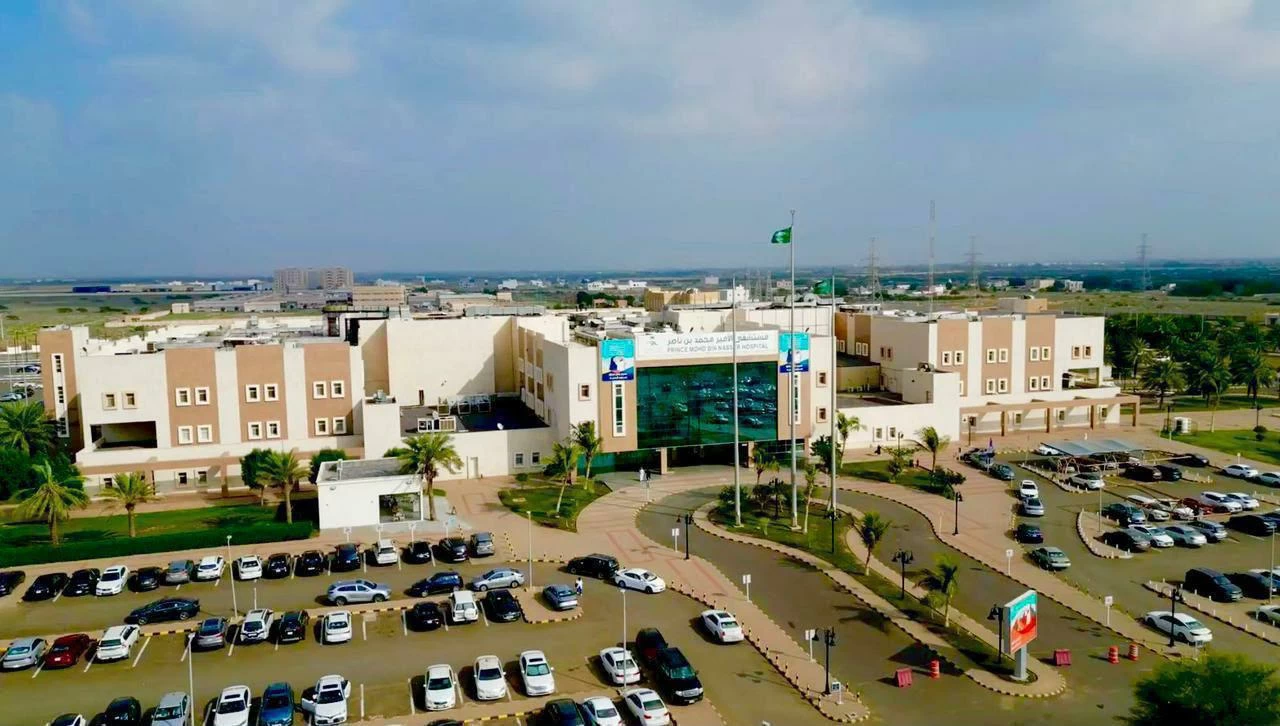


The medical team at Prince Mohammed bin Nasser Hospital in Jazan successfully performed comprehensive dental treatment under general anesthesia for a three-year-old child suffering from Epidermolysis Bullosa, a rare genetic disorder that requires meticulous care and precise medical procedures during treatment interventions. The child was experiencing recurrent pain and inflammation in the mouth, which affected his ability to eat and his quality of life, necessitating the preparation of a comprehensive treatment plan implemented by a multidisciplinary team, taking into account the nature of the disease and the complex health challenges it poses. Epidermolysis Bullosa is a rare genetic disorder caused by a defect in the proteins responsible for the cohesion of skin layers, leading to extreme fragility of the skin and mucous membranes, resulting in blisters and wounds with minimal friction or injury. The condition can extend to the mouth and esophagus, causing difficulties in eating and speaking, making any medical or surgical procedure, including dental treatment, require special precautions and advanced expertise to avoid complications. The medical team successfully executed the treatment plan under general anesthesia while adhering to the highest safety standards and medical precautions specific to this patient group, without recording any complications, thank God, while ensuring the child's safety throughout all stages of treatment.


