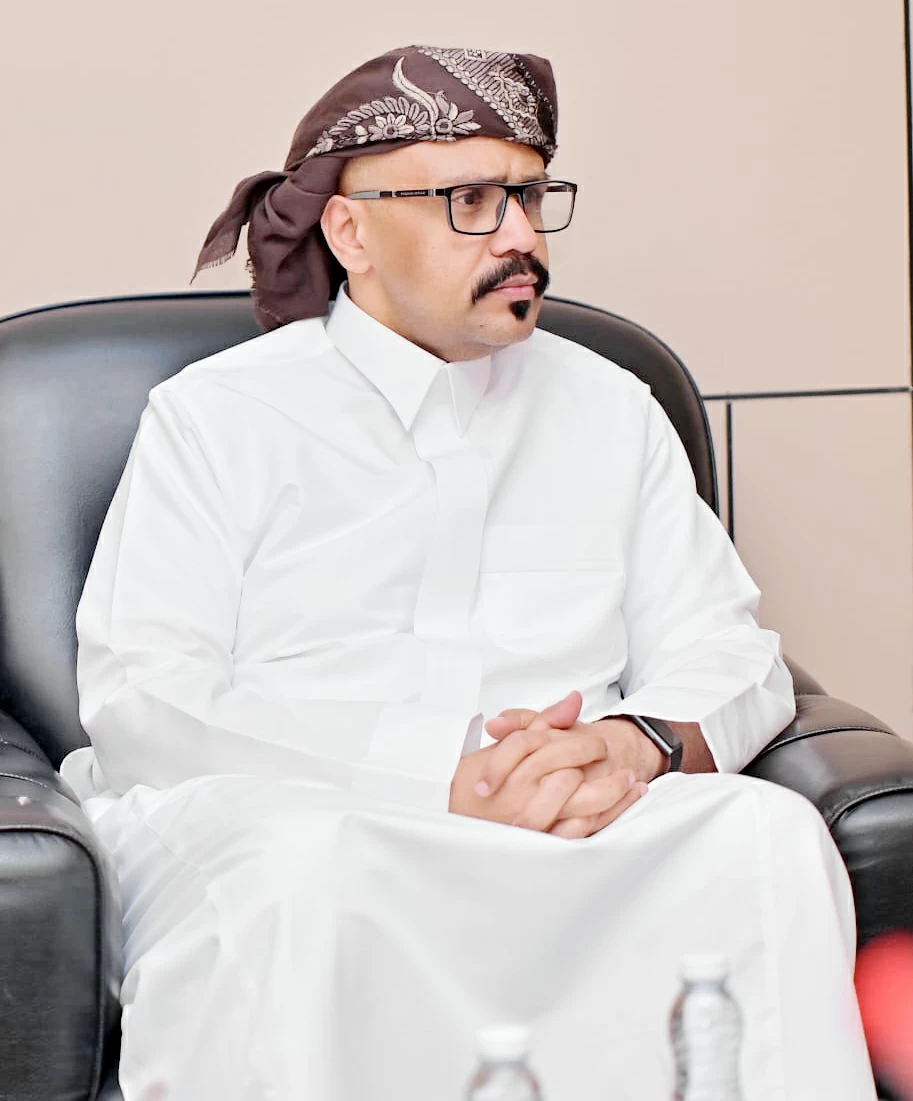
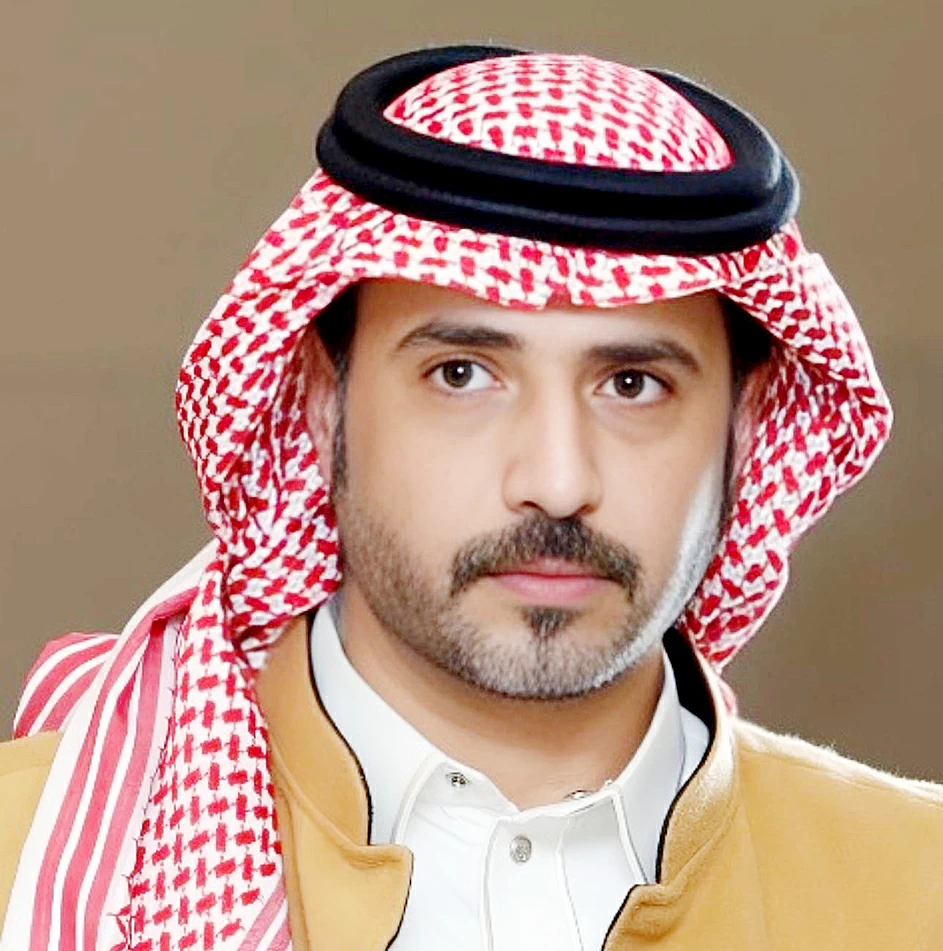
في ظل التحولات السياسية والأمنية التي تشهدها اليمن، تبرز حضرموت بوصفها إحدى أكثر المحافظات خصوصية بحكم موقعها الجغرافي وثقلها القبلي والاقتصادي، وما تمثله من ركيزة مهمة في أي تسوية سياسية قادمة. وبين تعقيدات المشهد، يظل دور القبيلة حاضرًا بوصفه أحد عوامل حفظ الاستقرار والسلم المجتمعي إلى جانب مؤسسات الدولة.
وفي هذا الحوار، يتحدث مدير عام مصلحة شؤون القبائل بوادي وصحراء حضرموت، ومستشار وزير الداخلية سلطان زايد التميمي، عن واقع حضرموت اليوم، ومشروع «الصلح العام»، ومستقبل العلاقة بين الدولة والقبيلة، ورؤيته للحوار الجنوبي، كما يسلط الضوء على الدور السعودي في دعم الأمن والتنمية في شتى المجالات.
فإلى نص الحوار:
• تقف حضرموت اليوم بين تعقيدات السياسة وحساسية القبيلة ومخاوف الأمن.. كيف تصفون المشهد الحقيقي في وادي وصحراء حضرموت الآن؟
•• المشهد في وادي وصحراء حضرموت لا يمكن اختزاله في عنوان سياسي أو أمني فقط، فهذه الملفات مترابطة ومتداخلة، وطبيعة حضرموت الجغرافية وتركيبتها القبلية جعلت القبيلة جزءًا من منظومة الاستقرار، وليست نقيضًا للدولة أو بديلًا عنها.
وعندما تضعف مؤسسات الدولة، تصبح القبيلة مرجعية اجتماعية تحفظ الأمن، وتحتوي النزاعات، وتمنع الانزلاق نحو الفوضى، وهو ما أثبتته التجارب التي مرت بها حضرموت خلال السنوات الماضية. والمطلوب اليوم هو بناء شراكة حقيقية بين الدولة والقبيلة، لا وضعهما في مواجهة بعضهما، لأن استقرار حضرموت مسؤولية مشتركة.
• أعلنتم مشروع «الصلح العام».. ماذا تحقق حتى الآن، وما أبرز الملفات التي تعملون على إغلاقها؟
•• مشروع الصلح العام ليس مجرد إعلان إعلامي، بل هو عمل ميداني بدأ بالفعل. قمنا بزيارات واسعة لمختلف القبائل، وأسهمنا في معالجة عدد من قضايا الثأر والخلافات والنزاعات القبلية، ونعمل على تقريب وجهات النظر وردم الفجوات بين المكونات الاجتماعية.
صحيح أن اتساع مساحة حضرموت يجعل المهمة كبيرة، لكننا نؤمن بأن تهيئة المجتمع للمصالحة الشاملة تبدأ بإغلاق الملفات الصغيرة قبل الكبيرة، حتى نصل إلى صلح عام يعزز السلم المجتمعي ويؤسس لاستقرار دائم.
• كيف يمكن تحويل دور القبيلة في حضرموت من رد فعل عند الأزمات إلى شريك دائم للدولة في الأمن والتنمية؟
•• هذا هو جوهر رؤيتنا في مصلحة شؤون القبائل، فالقبيلة ينبغي أن تنتقل من الجهد الفردي وردود الأفعال إلى عمل مؤسسي منظم يخدم الدولة والمجتمع.
وقد حظينا بدعم واهتمام كبير من عضو مجلس القيادة الرئاسي محافظ حضرموت سالم أحمد الخنبشي، وهو ما ساعد على تفعيل هذا التوجه، بحيث تصبح جهود القبائل رافدًا للأمن والاستقرار والتنمية، وشريكًا للدولة في معالجة القضايا المجتمعية.
• دعوتم إلى حوار جنوبي برعاية سعودية، لكنكم أشرتم إلى أن القبائل بعيدة عن آلياته.. ماذا تعني؟
•• في حضرموت، المجتمع قبلي بطبيعته، سواء من يحمل السلاح أو من انخرط في الحياة المدنية، والجميع يمثلون ركيزة للاستقرار.
وقد أثبتت القبائل دورها الوطني عندما سقطت المكلا بيد تنظيم القاعدة عام 2015، إذ بادرت إلى حماية مؤسسات الدولة والشركات النفطية، ومنعت تمدد التنظيم إلى بقية حضرموت، ثم سلمت تلك المواقع للدولة بعد التحرير دون أن تسجل حالات نهب أو تخريب.
كما اضطلعت القبائل بأدوار سياسية في ظل ضعف الأحزاب، وأسهمت في تمثيل حضرموت في مختلف المشاورات. ولذلك، فإن أي حوار يتجاوز هذا المكون سيفقد جزءًا مهمًا من فرص نجاحه، بينما إشراكه يعزز فرص الوصول إلى حلول مستدامة تحظى بقبول المجتمع.
• أين تقفون بين خصوصية حضرموت التاريخية، ومحاولات استقطابها إلى مشاريع سياسية لا تعبر عن مصالحها؟
•• حضرموت تمتلك خصوصية تاريخية وجغرافية وسياسية لا ينكرها أحد، فهي أرض قامت عليها دولة عبر التاريخ، وتمتلك مقومات اقتصادية وبشرية كبيرة، ويكفي أن الإنسان الحضرمي أسهم في بناء دول ونشر الإسلام في أصقاع العالم بأخلاقه وتجاراته.
لذلك، فإن أبناء حضرموت يرون أن قضيتهم يجب أن تكون حاضرة بصفتها قضية مستقلة في أي تسوية سياسية، بعيدًا عن محاولات الإلحاق أو الاستقطاب الحزبي أو الجهوي، لأن مصلحة حضرموت هي البوصلة التي ينبغي أن يتفق عليها الجميع.
• كيف تنظرون إلى دور المملكة في حضرموت سياسيًا وأمنيًا وتنمويًا؟
•• العلاقة بين حضرموت والمملكة العربية السعودية علاقة تاريخية تتجاوز السياسة، فهي علاقة جوار ونسب ومصالح مشتركة وامتداد اجتماعي.
والمملكة كانت دائمًا ملاذًا لأبناء حضرموت في مختلف المراحل، واحتضنتهم وفتحت لهم أبواب العمل والتعليم والحياة الكريمة.
واليوم يتجسد هذا الدعم في الجوانب السياسية والأمنية والتنموية، من خلال رعاية جهود الحوار، ودعم الأمن والاستقرار، وتنفيذ مشاريع عبر البرنامج السعودي لتنمية وإعمار اليمن ومركز الملك سلمان للإغاثة في مجالات الكهرباء والتعليم والصحة والبنية التحتية وغيرها، وهي مشاريع لمس المواطن أثرها بشكل مباشر.
كما نقدر المواقف السعودية التي أسهمت في احتواء التوترات ومنع انزلاق حضرموت إلى صراعات أوسع، وهو دور يعكس حرص المملكة على أمن واستقرار حضرموت واليمن والمنطقة.
• كيف تتصورون مستقبل مصلحة شؤون القبائل، وهل ستظل جهازًا تقليديًا أم تتحول إلى مؤسسة حديثة؟
•• رؤيتنا أن تتحول مصلحة شؤون القبائل إلى مؤسسة حديثة تعمل وفق أسس علمية وإدارية، لا أن تقتصر على الجوانب البروتوكولية.
ونطمح إلى بناء قاعدة معلومات دقيقة، وتطوير آليات الوساطة المجتمعية، وتعزيز الشراكة مع مؤسسات الدولة، لتكون المصلحة حلقة وصل فاعلة بين الدولة والقبائل، بما يحافظ على وحدة المجتمع، ويحصنه من الاستقطابات، ويسهم في دعم التنمية والاستقرار وصناعة القرار المجتمعي.
• أخيرًا.. لو أردتم توجيه رسائل من حضرموت عبر «عكاظ» إلى الرياض وصنعاء وعدن والمكونات الجنوبية، ماذا تقولون؟
•• إلى المملكة العربية السعودية، نقول: شكرًا على مواقفكم التاريخية مع حضرموت واليمن عمومًا، ونثق بحكمة قيادتكم وحرصها على تحقيق الأمن والاستقرار، ونأمل استمرار هذا الدور الأخوي الذي كان ولا يزال محل تقدير أبناء حضرموت.
وإلى صنعاء، نقول: لا مستقبل لليمن تحت حكم المليشيا الانقلابية، وعلى أبناء الوطن لفظ المشاريع الطائفية، والاتجاه نحو بناء الدولة على أسس الشراكة والعدالة وسيادة القانون.
أما عدن، فنقول: حضرموت شريك رئيسي في صناعة المستقبل، وأي مشروع وطني لن يكتب له النجاح إلا إذا قام على الشراكة الحقيقية واحترام إرادة أبناء حضرموت وخصوصيتها السياسية والتاريخية.
ولا للمكونات الجنوبية، فإن أمامها فرصة تاريخية في الحوار الشامل الذي ترعاه المملكة العربية السعودية، فلتكن المصلحة العامة فوق الحسابات الضيقة، ولنجعل من الحوار طريقًا للتوافق، ومن الشراكة أساسًا لبناء مستقبل آمن ومستقر لجميع أبناء الوطن.
In light of the political and security transformations taking place in Yemen, Hadhramaut emerges as one of the most unique governorates due to its geographical location, tribal and economic weight, and its representation as an important pillar in any upcoming political settlement. Amid the complexities of the scene, the role of the tribe remains present as one of the factors preserving stability and social peace alongside state institutions.
In this dialogue, the Director General of the Tribal Affairs Authority in the Wadi and Desert of Hadhramaut, and advisor to the Minister of Interior, Sultan Zayed Al-Tamimi, discusses the current reality of Hadhramaut, the "General Reconciliation" project, the future of the relationship between the state and the tribe, his vision for southern dialogue, and sheds light on the Saudi role in supporting security and development in various fields.
Here is the text of the dialogue:
• Hadhramaut stands today amid the complexities of politics, the sensitivity of the tribe, and security concerns... How do you describe the real scene in the Wadi and Desert of Hadhramaut now?
•• The scene in the Wadi and Desert of Hadhramaut cannot be reduced to just a political or security title; these files are interconnected and intertwined. The geographical nature of Hadhramaut and its tribal composition have made the tribe part of the stability system, and not an opposite to the state or an alternative to it.
When state institutions weaken, the tribe becomes a social reference that preserves security, contains disputes, and prevents slipping into chaos, which has been proven by the experiences Hadhramaut has gone through in recent years. What is required today is to build a genuine partnership between the state and the tribe, rather than placing them in opposition to each other, because the stability of Hadhramaut is a shared responsibility.
• You announced the "General Reconciliation" project... What has been achieved so far, and what are the main files you are working to close?
•• The General Reconciliation project is not just a media announcement; it is a fieldwork that has already begun. We have conducted extensive visits to various tribes, contributed to addressing several issues of revenge, disagreements, and tribal disputes, and are working to bring closer viewpoints and bridge gaps between social components.
It is true that the vast area of Hadhramaut makes the task significant, but we believe that preparing the community for comprehensive reconciliation begins with closing small files before the large ones, until we reach a general reconciliation that enhances social peace and establishes lasting stability.
• How can the role of the tribe in Hadhramaut be transformed from a reactive force during crises to a permanent partner of the state in security and development?
•• This is the essence of our vision in the Tribal Affairs Authority; the tribe should move from individual efforts and reactions to organized institutional work that serves the state and society.
We have received significant support and attention from the member of the Presidential Leadership Council, Governor of Hadhramaut, Salim Ahmed Al-Khanbashi, which has helped activate this approach, so that the efforts of the tribes become a tributary for security, stability, and development, and a partner for the state in addressing community issues.
• You called for a southern dialogue under Saudi sponsorship, but you indicated that the tribes are distant from its mechanisms... What do you mean?
•• In Hadhramaut, society is tribal by nature, whether those who carry arms or those who engage in civil life, and everyone represents a pillar for stability.
The tribes proved their national role when Mukalla fell into the hands of Al-Qaeda in 2015, as they took the initiative to protect state institutions and oil companies, and prevented the organization's expansion into the rest of Hadhramaut, then handed over those sites to the state after liberation without recording cases of looting or destruction.
The tribes also played political roles in light of the weakness of parties and contributed to representing Hadhramaut in various consultations. Therefore, any dialogue that overlooks this component will lose an important part of its chances of success, while involving it enhances the chances of reaching sustainable solutions that gain community acceptance.
• Where do you stand between the historical uniqueness of Hadhramaut and attempts to attract it to political projects that do not reflect its interests?
•• Hadhramaut possesses a historical, geographical, and political uniqueness that no one can deny; it is a land on which a state has been established throughout history, and it has significant economic and human components. It is enough to say that the Hadhrami person contributed to building states and spreading Islam across the world with his morals and trades.
Therefore, the people of Hadhramaut believe that their issue should be present as an independent issue in any political settlement, away from attempts of annexation or partisan or regional polarization, because the interest of Hadhramaut is the compass that everyone should agree upon.
• How do you view the role of the Kingdom in Hadhramaut politically, security-wise, and development-wise?
•• The relationship between Hadhramaut and the Kingdom of Saudi Arabia is a historical relationship that transcends politics; it is a relationship of neighborhood, kinship, common interests, and social extension.
The Kingdom has always been a refuge for the people of Hadhramaut at various stages, embracing them and opening doors for work, education, and a decent life.
Today, this support is manifested in political, security, and developmental aspects, through sponsoring dialogue efforts, supporting security and stability, and implementing projects through the Saudi Program for Development and Reconstruction of Yemen and the King Salman Humanitarian Aid and Relief Center in areas such as electricity, education, health, infrastructure, and others, which are projects that the citizen has directly felt their impact.
We also appreciate the Saudi positions that contributed to containing tensions and preventing Hadhramaut from slipping into broader conflicts, a role that reflects the Kingdom's concern for the security and stability of Hadhramaut, Yemen, and the region.
• How do you envision the future of the Tribal Affairs Authority? Will it remain a traditional body or transform into a modern institution?
•• Our vision is for the Tribal Affairs Authority to transform into a modern institution that operates according to scientific and administrative foundations, rather than being limited to protocol aspects.
We aspire to build an accurate information base, develop community mediation mechanisms, and enhance partnership with state institutions, so that the authority becomes an effective link between the state and the tribes, preserving community unity, shielding it from polarization, and contributing to supporting development, stability, and community decision-making.
• Finally... If you wanted to send messages from Hadhramaut through "Okaz" to Riyadh, Sana'a, Aden, and the southern components, what would you say?
•• To the Kingdom of Saudi Arabia, we say: Thank you for your historical positions with Hadhramaut and Yemen in general, and we trust in the wisdom of your leadership and its commitment to achieving security and stability. We hope for the continuation of this fraternal role that has always been appreciated by the people of Hadhramaut.
To Sana'a, we say: There is no future for Yemen under the rule of the coup militia, and the people of the homeland must reject sectarian projects and move towards building the state on the foundations of partnership, justice, and the rule of law.
As for Aden, we say: Hadhramaut is a key partner in shaping the future, and any national project will not succeed unless it is based on genuine partnership and respect for the will of the people of Hadhramaut and its political and historical uniqueness.
And to the southern components, we say: They have a historic opportunity in the comprehensive dialogue sponsored by the Kingdom of Saudi Arabia, so let the public interest be above narrow calculations, and let us make dialogue a path to consensus, and partnership a foundation for building a safe and stable future for all citizens of the homeland.