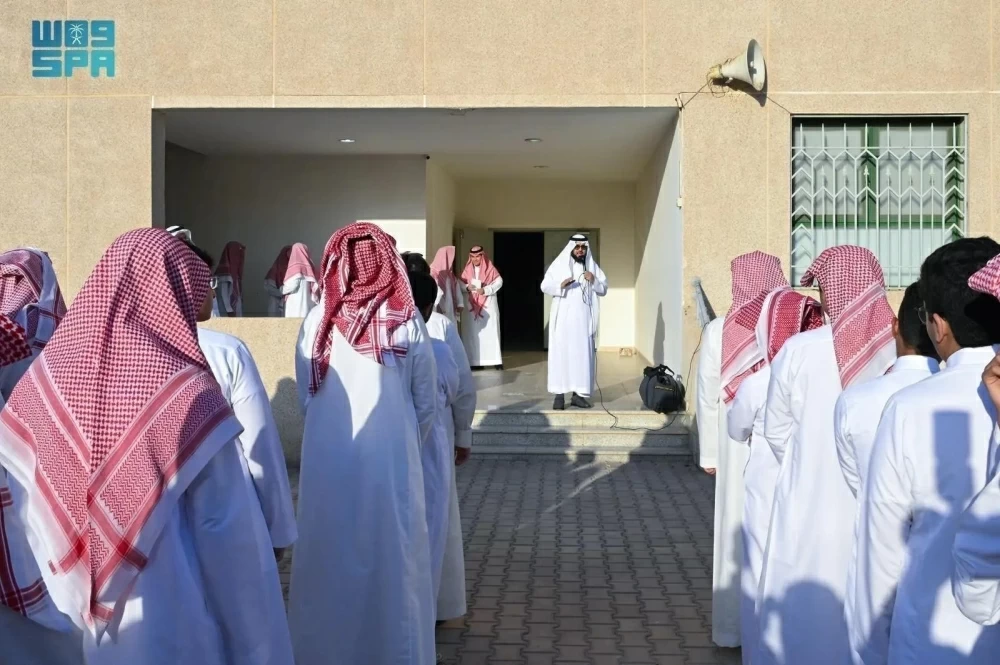
بدأت إدارات التعليم في عدد من المناطق فتح باب الترشيح للعمل مديرًا تنفيذيًا (المشرف العام) للمدارس المتكاملة، تمهيدًا لتطبيق نموذج المدارس المتكاملة، الذي يستهدف تطوير أداء المدارس الحكومية عبر قيادة مجموعة من المدارس ضمن إطار مهني موحد.
واشترطت إدارات التعليم أن يكون المتقدّم مديرًا لمدرسة حكومية لمدة لا تقل عن ست سنوات، أو مشرفًا تربويًا سبق له العمل مديرًا لمدرسة لمدة لا تقل عن خمس سنوات، مع الحصول على الرخصة المهنية، واجتياز البرنامج
التأهيلي والمقابلات المهنية، وإثبات الكفاءة في القيادة وإدارة فرق العمل.
ويهدف النموذج إلى تحسين نواتج التعلم، وتطوير الأداء المدرسي، وبناء القدرات، وتعزيز الاستفادة من الموارد، مع احتفاظ كل مدرسة باستقلاليتها الإدارية وصلاحيات مديرها، فيما يتولى المشرف العام قيادة أعمال المجموعة وبرامج التطوير.
ويتراوح عدد المدارس في كل مجموعة بين خمس وثماني مدارس وفق معايير تراعي التقارب الجغرافي والكثافة الطلابية، ويُقاس نجاح النموذج بتحسّن مؤشرات الأداء وجودة القيادة المدرسية وكفاءة استثمار الموارد.
وأكدت وزارة التعليم أن النموذج لا يستحدث هيكلًا تنظيميًا جديدًا، بل يعتمد على استثمار المقاعد الإشرافية القائمة لدعم التطوير المدرسي.
The education administrations in several regions have begun accepting nominations for the position of Executive Director (General Supervisor) for integrated schools, in preparation for the implementation of the integrated schools model, which aims to enhance the performance of public schools by leading a group of schools within a unified professional framework.
The education administrations have stipulated that the applicant must have been a principal of a public school for no less than six years, or an educational supervisor who has previously worked as a principal for no less than five years, along with obtaining a professional license, passing the qualifying program
and professional interviews, and demonstrating competence in leadership and team management.
The model aims to improve learning outcomes, enhance school performance, build capacities, and maximize resource utilization, while each school retains its administrative independence and the authority of its principal, with the general supervisor leading the group's activities and development programs.
The number of schools in each group ranges from five to eight schools based on criteria that consider geographic proximity and student density, and the success of the model is measured by the improvement of performance indicators, the quality of school leadership, and the efficiency of resource investment.
The Ministry of Education confirmed that the model does not create a new organizational structure but rather relies on utilizing existing supervisory positions to support school development.