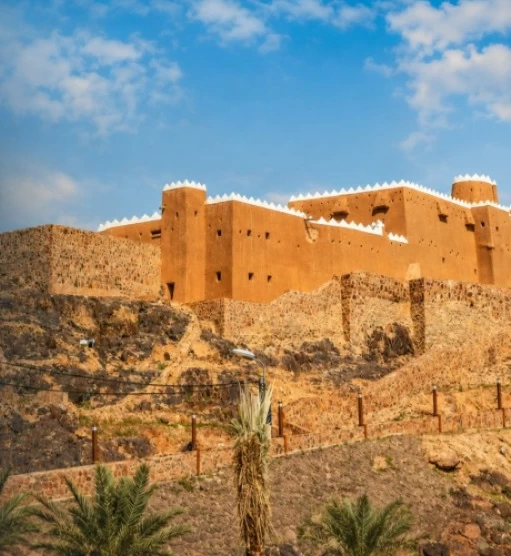
بمتوسط بلغ 226.8 وفاة لكل 100 ألف نسمة، ومدى راوح بين 188.7 و312.9 وفاة لكل 100 ألف في 176 مدينة سعودية، خلصت دراسة علمية حديثة إلى أن المدن ذات المؤشرات التراثية الأقوى تميل إلى تسجيل وفيات أقل، مقارنة بمدن أضعف في مؤشرات التراث الثقافي.
وأظهرت الدراسة أن متوسط الوفيات الخام في المدن محل التحليل بلغ 371.4 وفاة لكل مدينة، بحد أدنى 16 وفاة وحد أعلى 15.718 وفاة، فيما بلغ متوسط السكان في المدن المشمولة 163.745 نسمة، مع مدى بدأ من 7 آلاف نسمة ووصل إلى 6.92 مليون نسمة.
النتيجة المركزية في الدراسة أن التراث الثقافي جاء مرتبطاً بصورة سالبة ودالة إحصائياً بمؤشر «سوء الرفاه»؛ أي أن ارتفاع مؤشر التراث في المدينة يقابله انخفاض في معدل الوفيات النسبي. أما الثقافة الحية، مثل الفعاليات والمهرجانات والحفلات والسينما والمسارح والمقاهي الترفيهية، فجاء اتجاهها أيضاً نحو انخفاض الوفيات، لكنها لم تصل إلى دلالة إحصائية حاسمة.
الدراسة، التي حملت عنوان «الأسس الثقافية للرفاه في مدن السعودية»، أعدتها الباحثة سميرة المالكي، من جامعة الملك سعود في الرياض وجامعة سوانزي في المملكة المتحدة، ونُشرت في مجلة «البحوث التطبيقية في جودة الحياة» الصادرة عن سبرنغر نيتشر في 27 يونيو 2026.
واختارت الدراسة قياس «سوء الرفاه» بمؤشر صحي مباشر هو الوفيات لكل 100 ألف نسمة في عام 2024، بدل الاعتماد على استطلاعات الرضا أو السعادة. ثم ربطت هذا المؤشر بمجموعة من العوامل الثقافية والديموغرافية والصحية والاقتصادية داخل المدن السعودية.
واعتمدت الباحثة على 14 مؤشراً ثقافياً، واستخرجت منها بُعدين رئيسيين عبر تحليل المكونات الرئيسية. البعد الأول هو التراث الثقافي، ويشمل المواقع التراثية، المتاحف، المساجد التاريخية، ومدارس التعليم الإسلامي للذكور والإناث. والبعد الثاني هو الثقافة الحية، ويشمل الفعاليات، المهرجانات، الحفلات، المكتبات، المسارح، دور السينما، المقاهي والمراكز الترفيهية، والمعارض الفنية.
وعلى مستوى المناطق الإدارية الـ13، رصدت الدراسة متوسطاً قدره 1340 موقعاً تراثياً، بحد أعلى بلغ 8746 موقعاً، ومتوسط 6796 مسجداً تاريخياً، بحد أعلى وصل إلى 21.327 مسجداً. كما بلغ متوسط المتاحف 17 متحفاً، والفعاليات 36.77 فعالية، والمهرجانات 34.92 مهرجان، والمسارح 22.46 مسرح، ودور السينما 1.38، والمقاهي الترفيهية 42.46 في المتوسط.
وأدخلت الدراسة هذه المؤشرات في نماذج انحدار إحصائي تقارن بين نموذج أساسي يعتمد على المتغيرات الهيكلية، ونموذج موسع يضيف المؤشرات الثقافية. وبعد إدخال الثقافة، ارتفعت القوة التفسيرية للنموذج من 3.2% إلى 3.7%. ورغم أن الزيادة محدودة، فإن الدراسة تعتبرها إشارة منهجية إلى أن الثقافة تضيف تفسيراً قابلاً للقياس في قراءة اختلافات الرفاه بين المدن.
وتفسر الدراسة نتيجة التراث بأن المدن ذات الذاكرة التراثية الأقوى قد تمتلك قدراً أعلى من التماسك والانتماء والاستقرار الاجتماعي، وهو ما تصفه الدراسة باعتبار التراث «رأس مال اجتماعياً إيجابياً» في السياق السعودي. وبذلك تتحول المواقع التراثية والمساجد التاريخية والمتاحف من عناصر هوية وسياحة إلى مؤشرات يمكن إدخالها في نماذج جودة الحياة والصحة العامة.
أما ضعف الأثر الإحصائي للثقافة الحية، فتربطه الدراسة بحداثة توسع الأنشطة الثقافية والترفيهية في السعودية بعد عام 2016 ضمن مسار رؤية 2030؛ إذ تحتاج الفعاليات والسينما والحفلات والمهرجانات وقتاً أطول حتى يظهر أثرها على مؤشرات بطيئة التغير مثل الوفيات.
وتستند الدراسة إلى بيانات إدارية من جهات سعودية عدة، بينها وزارة الصحة، هيئة التراث، وزارة الثقافة، الهيئة العامة للترفيه، وزارة التعليم، وزارة الشؤون الإسلامية، هيئة المكتبات، وزارة الاقتصاد والتخطيط، وزارة الموارد البشرية والتنمية الاجتماعية، الهيئة السعودية للمدن الصناعية ومناطق التقنية، الهيئة العامة للنقل، والهيئة العامة للإحصاء.
With an average of 226.8 deaths per 100,000 people, and a range between 188.7 and 312.9 deaths per 100,000 in 176 Saudi cities, a recent scientific study concluded that cities with stronger heritage indicators tend to record fewer deaths compared to cities with weaker cultural heritage indicators.
The study showed that the average crude death rate in the analyzed cities was 371.4 deaths per city, with a minimum of 16 deaths and a maximum of 15,718 deaths, while the average population in the included cities was 163,745 people, with a range starting from 7,000 people and reaching 6.92 million people.
The central finding of the study is that cultural heritage was negatively and statistically significantly correlated with the "poor well-being" index; meaning that a higher heritage index in a city corresponds to a lower relative death rate. As for living culture, such as events, festivals, parties, cinema, theaters, and entertainment cafes, its trend also leaned towards lower mortality, but it did not reach a decisive statistical significance.
The study, titled "Cultural Foundations of Well-Being in Saudi Cities," was prepared by researcher Samira Al-Maliki from King Saud University in Riyadh and Swansea University in the United Kingdom, and was published in the journal "Applied Research in Quality of Life" issued by Springer Nature on June 27, 2026.
The study chose to measure "poor well-being" using a direct health indicator, which is deaths per 100,000 people in 2024, instead of relying on satisfaction or happiness surveys. It then linked this indicator to a set of cultural, demographic, health, and economic factors within Saudi cities.
The researcher relied on 14 cultural indicators and extracted two main dimensions through principal component analysis. The first dimension is cultural heritage, which includes heritage sites, museums, historical mosques, and Islamic education schools for both males and females. The second dimension is living culture, which includes events, festivals, parties, libraries, theaters, cinemas, entertainment cafes, and art exhibitions.
At the level of the 13 administrative regions, the study recorded an average of 1,340 heritage sites, with a maximum of 8,746 sites, and an average of 6,796 historical mosques, with a maximum reaching 21,327 mosques. The average number of museums was 17, events 36.77, festivals 34.92, theaters 22.46, cinemas 1.38, and entertainment cafes averaged 42.46.
The study incorporated these indicators into statistical regression models comparing a basic model relying on structural variables and an expanded model adding cultural indicators. After including culture, the explanatory power of the model increased from 3.2% to 3.7%. Although the increase is limited, the study considers it a methodological indication that culture adds measurable explanation in understanding differences in well-being between cities.
The study explains the heritage result by suggesting that cities with a stronger heritage memory may possess a higher degree of cohesion, belonging, and social stability, which the study describes as considering heritage a "positive social capital" in the Saudi context. Thus, heritage sites, historical mosques, and museums transform from elements of identity and tourism into indicators that can be incorporated into models of quality of life and public health.
As for the weak statistical effect of living culture, the study links it to the recent expansion of cultural and entertainment activities in Saudi Arabia after 2016 as part of Vision 2030; as events, cinema, parties, and festivals need more time to show their impact on slowly changing indicators such as mortality.
The study is based on administrative data from several Saudi entities, including the Ministry of Health, the Heritage Authority, the Ministry of Culture, the General Entertainment Authority, the Ministry of Education, the Ministry of Islamic Affairs, the Libraries Authority, the Ministry of Economy and Planning, the Ministry of Human Resources and Social Development, the Saudi Authority for Industrial Cities and Technology Zones, the General Transport Authority, and the General Authority for Statistics.