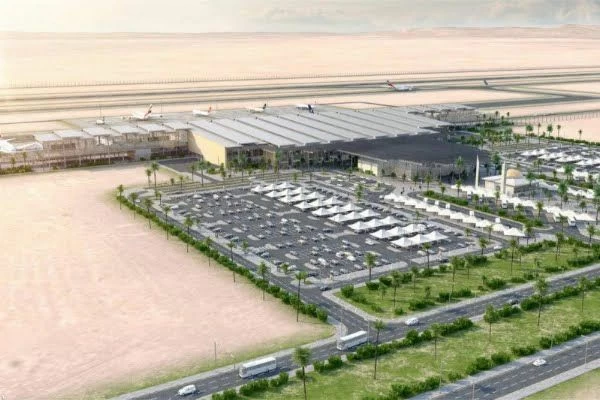
عاد مشروع مطار الطائف الدولي الجديد إلى الواجهة مجدداً، بعد نحو خمس سنوات من سحبه من الجهة المنفذة، وإعادة ترتيبه ضمن مسار التخصيص والشراكة مع القطاع الخاص، إذ دخل المشروع مرحلة جديدة مع طرح وثيقة طلب تقديم العروض أمام عدد من الشركات والتحالفات المحلية والعالمية المؤهلة للتنافس على تنفيذه وتشغيله.
ووقفت «عكاظ»، أمس، ميدانياً على موقع المطار المخصص شرقي الطائف بجوار جبل الحلاة، إذ اكتملت أعمال ازدواجية الطريق المؤدي إلى المشروع بطول يقارب 15 كيلومتراً من مطار الطائف الحالي.
ويمر الطريق الجديد بعددٍ من المواقع التنموية والاستثمارية البارزة، بينها سوق عكاظ، إضافة إلى موقع مشروع واحة التقنية، وضاحية الإسكان والمدينتين الصناعية والجامعية، ما يعزّز ارتباط المطار المرتقب بالمشروعات الاقتصادية والسياحية والتنموية في المحافظة.
وكانت «مطارات القابضة»، بالتعاون مع المركز الوطني للتخصيص، أعلنت أخيراً إصدار وثيقة طلب تقديم العروض للمتنافسين المؤهلين على مشروع مطار الطائف الدولي الجديد، ضمن جهود تعزيز مشاركة القطاع الخاص في تطوير وتشغيل المطارات السعودية، وتأهلت شركات وتحالفات دولية متخصصة في تطوير وإدارة المطارات للدخول في المنافسة على المشروع.
ويستهدف المشروع إنشاء مطار دولي حديث يخدم النمو المتوقع في حركة السفر والسياحة، ويدعم الحركة الاقتصادية والدينية، إلى جانب تعزيز الربط الجوي لمحافظة الطائف مع الوجهات المحلية والدولية، كما يشمل صالة سفر حديثة، ومدرجاً للطائرات، ومرافق تشغيلية وخدمية متكاملة.
وكان المشروع اعتمد في عام 2017، إلّا أن تنفيذه سُحب لاحقاً من التحالف السابق عام 2021، ليُعاد طرحه وفق نظام التخصيص والشراكة مع القطاع الخاص، ويُتوقع أن يشكّل المطار رافداً مهماً لخدمة ضيوف الرحمن من المعتمرين والحجاج، إضافة إلى دوره في تخفيف الضغط على مطار جدة، بحكم قربه من مكة المكرمة بمسافة لا تتجاوز 90 كيلومتراً تقريباً، فيما صُمم ليستوعب نحو 6 ملايين مسافر سنوياً في مراحله التشغيلية المستهدفة.
The new Taif International Airport project has returned to the forefront once again, after nearly five years of being withdrawn from the executing entity and being rearranged within the framework of privatization and partnership with the private sector. The project has entered a new phase with the issuance of a request for proposals document to a number of qualified local and international companies and alliances competing to implement and operate it.
Yesterday, "Okaz" visited the airport site designated east of Taif, next to Mount Al-Hala, where the dualization of the road leading to the project has been completed, stretching approximately 15 kilometers from the current Taif Airport.
The new road passes by several prominent developmental and investment sites, including Souq Okaz, in addition to the location of the Technology Oasis project, the housing suburb, and the industrial and university cities, which enhances the anticipated airport's connection to economic, tourism, and developmental projects in the governorate.
Recently, "Holding Airports," in collaboration with the National Center for Privatization, announced the issuance of a request for proposals document for qualified competitors for the new Taif International Airport project, as part of efforts to enhance private sector participation in the development and operation of Saudi airports. International companies and alliances specialized in airport development and management have qualified to enter the competition for the project.
The project aims to establish a modern international airport that serves the expected growth in travel and tourism, supports economic and religious movement, and enhances air connectivity for the Taif governorate with local and international destinations. It will also include a modern passenger terminal, a runway for aircraft, and integrated operational and service facilities.
The project was approved in 2017; however, its implementation was later withdrawn from the previous alliance in 2021, to be re-launched under the privatization and partnership system with the private sector. The airport is expected to be an important resource for serving the guests of God from Umrah pilgrims and Hajj, in addition to its role in alleviating pressure on Jeddah Airport, given its proximity to Mecca, with a distance of no more than approximately 90 kilometers. It is designed to accommodate around 6 million passengers annually in its targeted operational phases.