


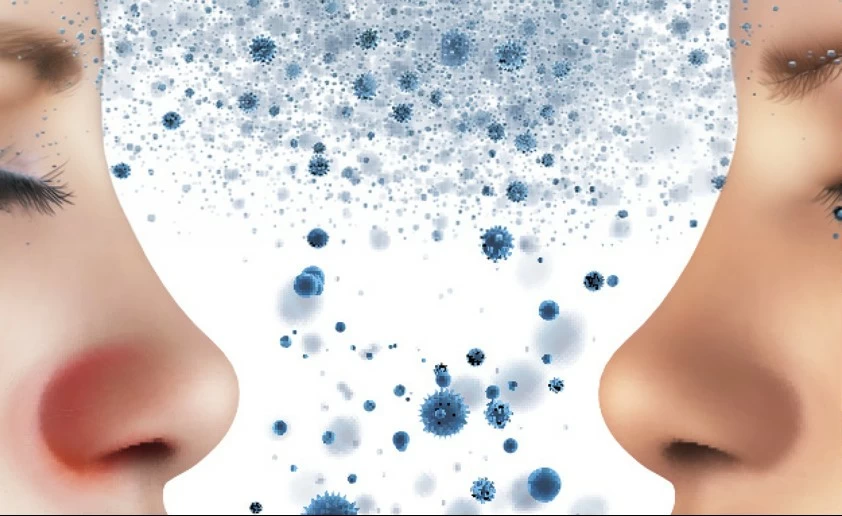
على الرغم من الدقة في أداء مناسك الحج وأجرها العظيم، إلا أنه يجب الأخذ بعين الاعتبار أن السفر وأداء المناسك وسط هذه الحشود المليونية قد تتبعها أنواع كثيرة من العدوى والأمراض التنفسية.
إذ يعاني البعض عقب عودتهم من أمراض ما بعد الحج، التي تعرف بـ«اضطراب ما بعد الحج»؛ وهي حالة من الأعراض الشائعة وليست مرضاً بحد ذاته، فهي تصيب الحاج بعد إنهاء المناسك، وتنجم عن تعرضه للإرهاق والتعب وتزول تلقائياً مع الوقت والراحة، وقد تحتاج إلى تناول المسكنات.
أعراض الاكتظاظ والمخالطة
من المعروف أن الحج عبادة فيزيائية تتطلب من الحاج كثيراً من الجهد البدني، وتكون معظم مناسك الحج خلال أيام محددة وفي أماكن معيّنة. ومع الجموع الغفيرة التي توجد كل عام بالملايين، يحدث الاكتظاظ في أماكن المناسك، ما يضطر الحجيج إلى تغيير مواعيد نومهم واستيقاظهم ومواعيد طعامهم، كما قد تختلف الأجواء المناخية عليهم في ظل تعرضهم لدرجات حرارة عالية ولأشعة الشمس لفترات طويلة، كل ذلك يؤدي إلى مجموعة من الأعراض التي يشكو منها كثير من الحجاج بعد عودتهم إلى بلادهم، وتسمى هذه الحالة اضطراب ما بعد الحج.
وهن وفتور وقلة سوائل
استشارية طب الأسرة الدكتورة سارة المعمر أكدت أن من أبرز الأعراض لأمراض ما بعد الحج هي الإحساس بالإجهاد والإرهاق والتعب، الوهن والفتور، اضطراب دورة النوم، الآلام المختلفة في العضلات والأطراف، واحتقان الأنف (الزكام)، كما قد يتعرَّض الحاج إلى الصداع، واسمرار البشرة وجفاف الجلد.
وأضافت المعمر أن حدوث الأعراض السابقة سببها عدة عوامل؛ من أهمها التعرض الطويل والمكثف لأشعة الشمس، والمشي الطويل أثناء أداء المناسك، والزحام، وقلة شرب الماء، والاضطراب في تناول الطعام، وعدم تعويض السوائل المفقودة من جسم الحاج خلال أدائه الشعائر.
وترى الدكتورة سارة المعمر أن الأعراض لا تحتاج غير الراحة والنوم الكافي وأحياناً تناول المسكنات، وعادة ما تزول الأعراض من تلقاء نفسها مع الوقت بعد تلقي الرعاية اللازمة في المنزل، ومع ذلك يجب طلب الاستشارة الصحية في حال اشتداد الأعراض أو استمرارها فترة طويلة لنفي وجود أمراض أخرى.
لا سهر لا إجهاد بدني
أخصائي أول طب الأسرة الدكتور حمد عبدالرحمن علوي يرى وجوب وعي الحاج بضرورة اتخاذ بعض التدابير التي قد تقي الحاج من اضطراب ما بعد الحج؛ ومن أهمها الراحة والنوم الجيد وتنظيم النوم والحصول على قسط كافٍ منه وعدم السهر أو الإجهاد البدني، كما يجب العناية بالتغذية المناسبة والالتزام باتباع نظام غذائي صحي كامل ومتوازن وتعويض الجسم بالسوائل والمعادن والفيتامينات عن طريق تناول الخضراوات والفواكه، وشرب السوائل والعصائر الطبيعية. ونبه علوي إلى ضرورة التركيز على ارتداء الكمامات والابتعاد عن الزحام وطلب الاستشارة الصحية عند الحاجة.
مصاب.. لا تلمس وجهك
طبيب الباطنة الدكتور وليد الشهري شدد على أن من أبرز اضطرابات ما بعد الحج مشكلات الجهاز التنفسي، ما يستدعي التنبه لها، كما نبه من نقل العدوى إلى الغير بالكحة أو السعال ومخالطة المصابين، فالزكام ونزلات البرد تنتقل بشكل رئيسي عن طريق اللمس، سواء بملامسة شخص مصاب أو ملامسة أسطح ملوثة بالفايروس ثم لمس الفم أو الأنف أو العين.
كما يسهم الرذاذ الناتج عن سعال أو عطاس شخص مصاب بالزكام في نقل العدوى، وهو ما يسري على مشاركة الأدوات الشخصية أو الأشياء التي يلمسها المصاب، كما تنتقل عن طريق الأشياء ومشاركة الأدوات الشخصية أو الأسطح التي يلمسها الشخص المصاب. وبشكل عام، يعتبر الزكام معدياً قبل يوم واحد من ظهور الأعراض وحتى 5 إلى 7 أيام بعد ظهورها.
ونبه إلى ضرورة الحفاظ على الصحة واتباع طرق الوقاية من الزكام، مثل غسل اليدين بانتظام، وتجنّب لمس الوجه، واستخدام المناديل عند السعال أو العطاس، وتجنب المخالطة المباشرة مع المصابين، وغسل اليدين والتزام الراحة التي تعد من أهم أسباب الشفاء.
ألم مفاصل وتشنج عضلات
استشارية طب الأسرة والسكري الدكتورة وئام الشورى ترى، من وجهة نظرها، أن أغلب مراحل الحج تتضمن التعب والمشقة والمشي الطويل، فيما يعاني البعض من قلة النوم، ما يسهم في آلام المفاصل وتشنج العضلات، ومن الطبيعي أن نشاهد الحاج يشكو بعد العودة من آلام المفاصل والأرق ونزلات البرد والزكام والسعال والإنفلونزا وتأثيرات تعرضه للشمس وحرارة ورطوبة المناخ واضطرابات هضمية أو نزلات معوية متباينة الأسباب، كما يسهم في تلك الأعراض الأمراض المزمنة التي يعاني منها البعض قبل الحج، وهو ما يستدعي اتباع رعاية صحية يصفها الأطباء بالرعاية اللاحقة لما بعد الحج.
وشددت الدكتورة الشورى على أن هذه الأعراض عادة ما تقل حدتها بشكل تدريجي، بعد الحصول على الراحة المطلوبة، وتلقي العلاج المناسب، وقدمت عدداً من النصائح التي قد يساعد اتباعها على تقليل أعراض التعب والإرهاق بعد العودة من الحج؛ بعدم مخالطة الناس في أماكن تجمعاتهم، خصوصاً عند الشعور بأعراض الزكام والإنفلونزا ونزلات البرد.
في هذه الحالة سارع إلى الطبيب
الدكتورة الشورى نبهت إلى أهمية تجنب مخالطة المرضى ممن لديهم مشكلات تنفسية، وكبار السن والأطفال والحوامل، وأصحاب الأمراض المزمنة، وضرورة الحصول على الراحة اللازمة، وتجنب بذل جهد بدني، والنوم لساعات كافية ليلاً.
كما يجب الحرص على أهمية الحصول على وجبات غذاء متوازنة، تكفل حصول الجسم على جميع العناصر والمغذيات التي يحتاجها من أجل التعافي، واستشارة الطبيب إذا كان الشخص يعاني من أي مرض مزمن للتأكد من عدم الإصابة بأي مضاعفات صحية.
وبينت أنه عند ملاحظة استمرار الأعراض حتى مع الراحة، يجب سرعة استشارة الطبيب للكشف عن وجود أي مشكلة صحية تستلزم العلاج.
Despite the precision in performing the rituals of Hajj and its great reward, it is important to consider that traveling and performing the rituals amidst these millions of crowds may lead to various types of infections and respiratory diseases.
Some individuals suffer from post-Hajj illnesses upon their return, known as "post-Hajj syndrome"; this is a condition characterized by common symptoms and is not a disease in itself. It affects the pilgrim after completing the rituals and results from exposure to fatigue and exhaustion, usually resolving on its own with time and rest, though it may require pain relievers.
Symptoms of Crowding and Contact
It is known that Hajj is a physical act of worship that requires a lot of physical effort from the pilgrim, and most of the rituals take place during specific days and in certain locations. With the massive crowds that gather every year in the millions, congestion occurs at the ritual sites, forcing pilgrims to change their sleep and meal schedules. The climatic conditions may also vary for them as they are exposed to high temperatures and sunlight for extended periods. All of this leads to a set of symptoms that many pilgrims complain about upon returning to their countries, a condition referred to as post-Hajj syndrome.
Weakness, Fatigue, and Dehydration
Family medicine consultant Dr. Sara Al-Muammar confirmed that among the most prominent symptoms of post-Hajj illnesses are feelings of exhaustion, fatigue, weakness, disrupted sleep patterns, various muscle and limb pains, and nasal congestion (cold). The pilgrim may also experience headaches, skin darkening, and dry skin.
Dr. Al-Muammar added that the occurrence of the aforementioned symptoms is due to several factors, the most important of which are prolonged and intense exposure to sunlight, long walks during the rituals, crowding, insufficient water intake, irregular eating habits, and failure to replenish the fluids lost from the pilgrim's body during the rituals.
She believes that the symptoms only require rest, adequate sleep, and sometimes pain relievers, and they usually resolve on their own over time after receiving the necessary care at home. However, it is essential to seek medical advice if the symptoms worsen or persist for a long time to rule out other diseases.
No Late Nights, No Physical Strain
Senior family medicine specialist Dr. Hamad Abdulrahman Alawi sees the necessity for pilgrims to be aware of the need to take certain precautions that may protect them from post-Hajj syndrome. Among the most important are rest, good sleep, organizing sleep schedules, ensuring adequate sleep, and avoiding late nights or physical strain. Additionally, attention should be paid to proper nutrition and adhering to a complete and balanced healthy diet, replenishing the body with fluids, minerals, and vitamins by consuming vegetables and fruits, and drinking fluids and natural juices. Alawi emphasized the importance of wearing masks, avoiding crowds, and seeking medical advice when needed.
If Infected... Do Not Touch Your Face
Internal medicine doctor Dr. Walid Al-Shahri stressed that one of the most prominent post-Hajj disorders is respiratory issues, which require attention. He warned against transmitting infections to others through coughing or sneezing and mixing with infected individuals, as colds and flu are primarily transmitted through touch, whether by contacting an infected person or touching surfaces contaminated with the virus and then touching the mouth, nose, or eyes.
The droplets produced by a cough or sneeze from an infected person also contribute to the transmission of infection, which applies to sharing personal items or things touched by the infected person. Generally, the cold is contagious one day before the symptoms appear and lasts for 5 to 7 days after they appear.
He emphasized the importance of maintaining health and following preventive measures against colds, such as regularly washing hands, avoiding touching the face, using tissues when coughing or sneezing, avoiding direct contact with infected individuals, washing hands, and ensuring rest, which are among the most important factors for recovery.
Joint Pain and Muscle Cramps
Family medicine and diabetes consultant Dr. Wiam Al-Shoura believes that most phases of Hajj involve fatigue, hardship, and long walks, while some individuals suffer from lack of sleep, contributing to joint pain and muscle cramps. It is natural to see pilgrims complaining after their return about joint pain, insomnia, colds, coughs, flu, and the effects of sun exposure and the heat and humidity of the climate, as well as digestive disorders or varying causes of intestinal infections. Chronic diseases that some individuals suffer from before Hajj also contribute to these symptoms, necessitating following healthcare that doctors describe as post-Hajj care.
Dr. Al-Shoura emphasized that these symptoms usually decrease gradually after obtaining the necessary rest and receiving appropriate treatment. She provided several tips that may help reduce symptoms of fatigue and exhaustion after returning from Hajj, such as avoiding mixing with people in crowded places, especially when feeling symptoms of colds and flu.
In This Case, Rush to the Doctor
Dr. Al-Shoura warned of the importance of avoiding contact with patients who have respiratory issues, the elderly, children, pregnant women, and individuals with chronic diseases, and the necessity of obtaining the required rest, avoiding physical exertion, and sleeping for sufficient hours at night.
It is also essential to ensure balanced meals that provide the body with all the elements and nutrients it needs for recovery, and to consult a doctor if a person suffers from any chronic disease to ensure that no health complications arise.
She indicated that if symptoms persist even with rest, one should quickly consult a doctor to check for any health issues that require treatment.