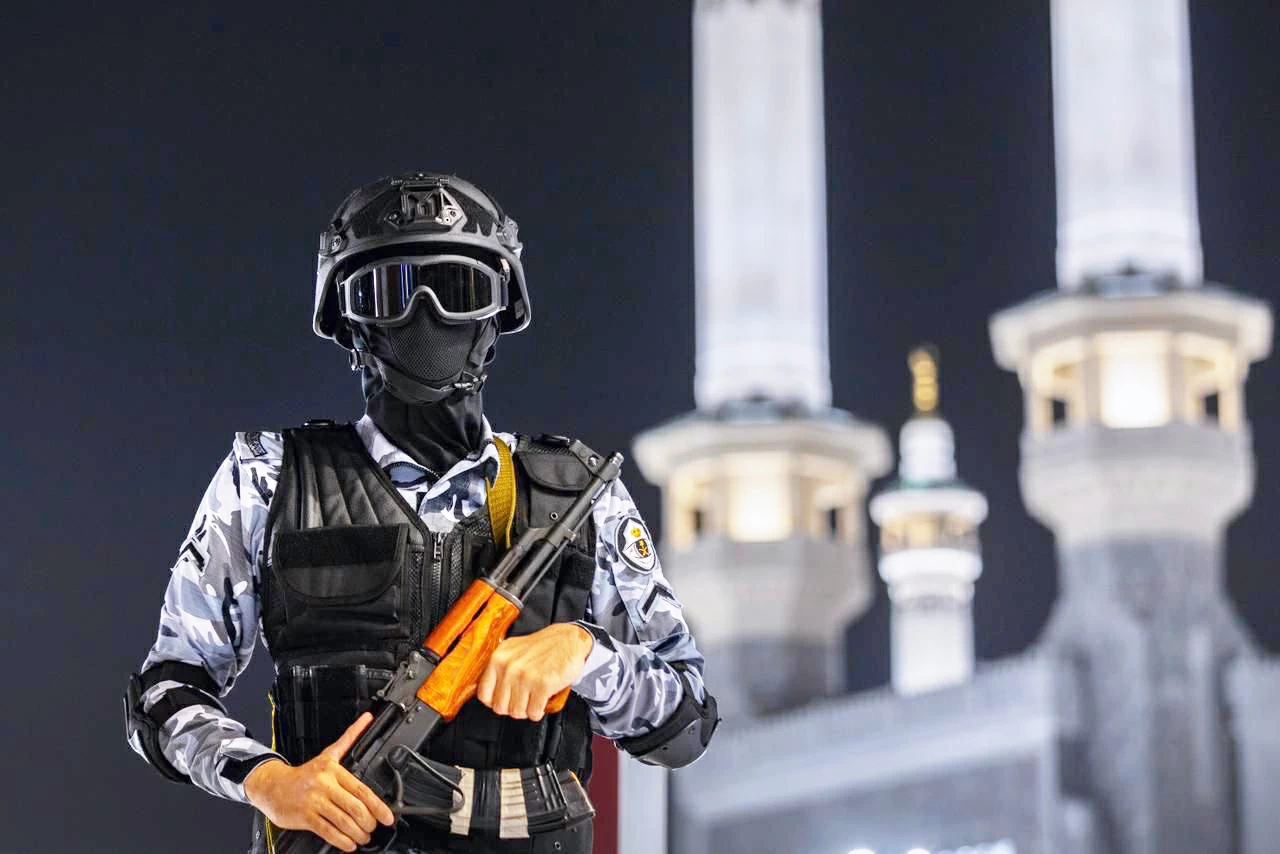
«لا حج بلا تصريح».. لم تكن عبارة تحذيرية، أو إعلاناً لتطبيق نظام معين، بل كانت قاعدة أساسية رسمت نجاحاً هدفه تأمين سلامة الحجاج النظاميين، وضمان تيسير أداء المناسك لهم.
بذلت وزارة الداخلية بقطاعاتها كافة جهوداً عظمي في تأكيد أن «لا حج بلا تصريح».. وقابل ضيوف الرحمن هذه الجهود بالشكر والوفاء والامتنان بعد أن سخّرت السعودية كل إمكاناتها ومقدرتها لخدمة الإسلام والمسلمين بالتنظيمات الدقيقة، التي راعت الأعداد الهائلة التي تتوافد إلى المشاعر المقدسة من شتى بقاع الأرض لأداء الفريضة في مساحات محددة.
رسم الخارطة لحج مثالي
من أبرز التنظيمات نظام تصريح الحج، الذي رسم خارطة حج مثالي وأداء مناسك الحج بطريقة كاملة ومتقنة، مع الالتزام بالإرشادات والتعليمات التي تضمن أداءً صحيحاً وسلساً أمناً، ولم يكن شعار «لا حج بلا تصريح» مجرد شعار يطلق أو عبارات تردد، فكان له الأثر الكبير في أنجاح الحج، كما قضى على الكثير من التصرفات والتحايل على الأنظمة، الذي يعمد إليه البعض، مخالفين بذلك الأوامر والتنظيمات التي تشترط التصريح، مع قبضة قوية لتطبيق شعار «لا حج بلا تصريح».
ليست مجرد ورقة رسمية
الخبير الأمني اللواء متقاعد سالم المطرفي، شدّد على أن من شروط الحج «الاستطاعة» التي تشمل مفهوم الرحلة والغذاء لتصل إلى المساحة الجغرافية للمشاعر، فضيق جغرافية المكان رغم الجهود المبذولة للتوسعة، تستلزم تلك التنظيمات، فأعداد المسلمين المليارية تستدعي التشدد في تطبيق التعليمات، فلا حج بلا تصريح ومن يخالف بحثا عن مصلحته الشخصية يجب زجره ومنعه وتطبيق الأنظمة بحقه.
وأضاف المطرفي أن شعار «لا حج بلا تصريح» الذي أطلقته وزارة الداخلية لم يأتِ من فراغ، بل نبع من حاجة ملحة لتنظيم حركة الحجاج، وتفادي الزحام الشديد الذي قد يؤدي إلى حوادث، أو اختناقات بشرية، فالتصريح لا يُعد مجرد ورقة رسمية، بل هو وسيلة لضمان أن كل حاج لديه سكن، وخدمة صحية، وإعاشة، ومتابعة أمنية تضمن له أداء مناسكه بأمان وسكينة.
نهاية حالات الافتراش
اللواء متقاعد مسفر الجعيد، قال: إن ظاهرة الحج غير النظامي وما تخلفه من افتراش و ظواهر سلبية شكلت في وقت مضى هاجساً كبيراً لدى الجهات المختصة، التي عملت على تطويقها، ومعاقبة المتورطين فيها.
وأثمرت الجهود والخطط الموضوعة للقضاء على مثل هذه الظواهر نجاحاً كبيراً وفي الأعوام التالية نجحت الأجهزة المعنية في منعها، لتوفير أقصى درجات الأمان والطمأنينة للحجاج، وفتح المسارات لهم، وتفكيك حالات الافتراش التي انتهت تماماً بفضل الآليات الحاسمة التي وضعتها الجهات العاملة في الحج.
ملاحقة المخالفين في البراري
وبين الجعيد كنّا نشاهد بعض الظواهر السلبية، منها نقل غير المصرح لهم بالحج، والافتراش الذي اختفى بفضل الله تعالى ثم بالجهود المبذولة، التي شكلت حاجزاً أمام كل من تسول له نفسه مخالفة أنظمة الحج، ولم يعد بمقدور المخالفين التسلل والعبور، إذ تتصدى لهم القوات الأمنية في كل مكان في الدروب الوعرة، وسفوح الجبال، والطرق غير المطروقة، والبراري، والصحارى.
ارتفاع الوتيرة الأمنية
أمنيون ومختصون أكدوا أن العقوبات، التي أعلنت ضد مخالفي أنظمة الحج ساهمت في ترجمة مفهوم صناعة الحج الحقيقي من خلال الحد من الظواهر السلبية والسلوكيات التي تؤثر على قدسية المشاعر ولا تتوافق مع شعيرة الحج ومن أبرزها الافتراش.
وبين الخبير الأمني اللواء متقاعد حسين الحارثي، أن ارتفاع الوتيرة الأمنية والجهود المبذولة ساهما في منع الافتراش ومنع غير المصرح لهم من دخول المشاعر المقدسة، كما أسهمت العقوبات في ردع من يعتزم مخالفة أنظمة الحج.
وبين اللواء متقاعد محمد الأسمري، أن الحملة التوعوية التي نفذتها وزارة الداخلية أسهمت في ما نشاهده من حج تميز بكل أركانه.
عقوبات رادعة على المخالفين
شكّلت العقوبات التي أقرتها وزارة الداخلية على مخالفي أنظمة الحج رادعاً أمام كل من تسوّل له نفسه العبث بأمن الحج، مما أسهم في تعزيز الانضباط وحماية سلام
وأصدرت الداخلية قرارات إدارية عبر اللجان الإدارية الموسمية، شملت غرامات مالية تصل إلى 100,000 ريال بحق الناقلين ومن له علاقة بمخالفتهم، والسجن، والتشهير بهم، وغرامات مالية تصل إلى 20,000 ريال، بحق المنقولين لمحاولتهم أداء الحج دون تصريح، وترحيل الوافدين ومنعهم من دخول المملكة لمدة 10 سنوات بعد تنفيذ العقوبة، والمطالبة بمصادرة المركبات المستخدمة في نقل المخالفين قضائياً.
“No Hajj without a permit”.. was not just a warning phrase or an announcement to implement a specific system, but rather a fundamental rule that aimed to ensure the safety of regular pilgrims and facilitate their performance of the rituals.
The Ministry of Interior, through all its sectors, made tremendous efforts to affirm that “no Hajj without a permit”.. and the guests of the Most Merciful responded to these efforts with gratitude and appreciation after Saudi Arabia dedicated all its capabilities and resources to serve Islam and Muslims through precise regulations that took into account the huge numbers arriving at the holy sites from various parts of the world to perform the obligation in designated areas.
Mapping an Ideal Hajj
One of the most prominent regulations is the Hajj permit system, which mapped out an ideal Hajj and allowed the rituals to be performed completely and meticulously, while adhering to the guidelines and instructions that ensure a correct, smooth, and safe performance. The slogan “no Hajj without a permit” was not just a slogan to be launched or phrases to be repeated; it had a significant impact on the success of Hajj, as it eliminated many behaviors and attempts to circumvent the regulations that some might resort to, violating the orders and regulations that require a permit, with a strong grip to enforce the slogan “no Hajj without a permit.”
Not Just an Official Document
Retired Major General Salem Al-Mutrafi emphasized that one of the conditions for Hajj is “capability,” which includes the concept of travel and food to reach the geographical area of the holy sites. The geographical constraints of the area, despite the efforts made for expansion, necessitate these regulations. The billion-strong Muslim population calls for strict adherence to the instructions; there is no Hajj without a permit, and those who violate this in search of personal gain must be reprimanded, prevented, and subjected to the regulations.
Al-Mutrafi added that the slogan “no Hajj without a permit,” launched by the Ministry of Interior, did not come from nowhere, but arose from an urgent need to organize the movement of pilgrims and avoid the severe congestion that could lead to accidents or human bottlenecks. The permit is not merely an official document; it is a means to ensure that every pilgrim has accommodation, health services, sustenance, and security monitoring that guarantees them the safe and peaceful performance of their rituals.
Ending Cases of Spreading Out
Retired Major General Masfer Al-Juaid stated that the phenomenon of irregular Hajj and the resulting spreading out and negative behaviors had previously been a major concern for the relevant authorities, which worked to contain them and punish those involved.
The efforts and plans put in place to eliminate such phenomena have yielded great success, and in the following years, the concerned agencies succeeded in preventing them, providing the highest levels of safety and reassurance for pilgrims, opening pathways for them, and dismantling cases of spreading out that have completely ended thanks to the decisive mechanisms established by the agencies working in Hajj.
Pursuing Violators in the Wilderness
Al-Juaid noted that we used to observe some negative phenomena, including the transport of those not authorized for Hajj and the spreading out that has disappeared thanks to God Almighty and the efforts made, which formed a barrier against anyone who might dare to violate Hajj regulations. Violators can no longer sneak through, as security forces confront them everywhere in rugged paths, mountain slopes, unpaved roads, wilderness, and deserts.
Increased Security Measures
Security officials and specialists confirmed that the penalties announced against violators of Hajj regulations contributed to translating the concept of the true Hajj industry by limiting negative phenomena and behaviors that affect the sanctity of the holy sites and do not align with the rituals of Hajj, the most prominent of which is spreading out.
Retired Major General Hussein Al-Harithi stated that the increased security measures and efforts contributed to preventing spreading out and stopping those not authorized from entering the holy sites, and the penalties have deterred those intending to violate Hajj regulations.
Retired Major General Mohammed Al-Asmari noted that the awareness campaign carried out by the Ministry of Interior contributed to what we see as a Hajj distinguished in all its aspects.
Deterrent Penalties for Violators
The penalties established by the Ministry of Interior for violators of Hajj regulations have served as a deterrent to anyone who might dare to tamper with the security of Hajj, contributing to enhancing discipline and protecting safety.
The Ministry issued administrative decisions through seasonal administrative committees, which included financial fines of up to 100,000 riyals against transporters and those related to their violations, imprisonment, public shaming, and financial fines of up to 20,000 riyals against those transported attempting to perform Hajj without a permit, deportation of violators, and banning them from entering the Kingdom for 10 years after serving their sentence, along with calls for the confiscation of vehicles used to transport violators legally.