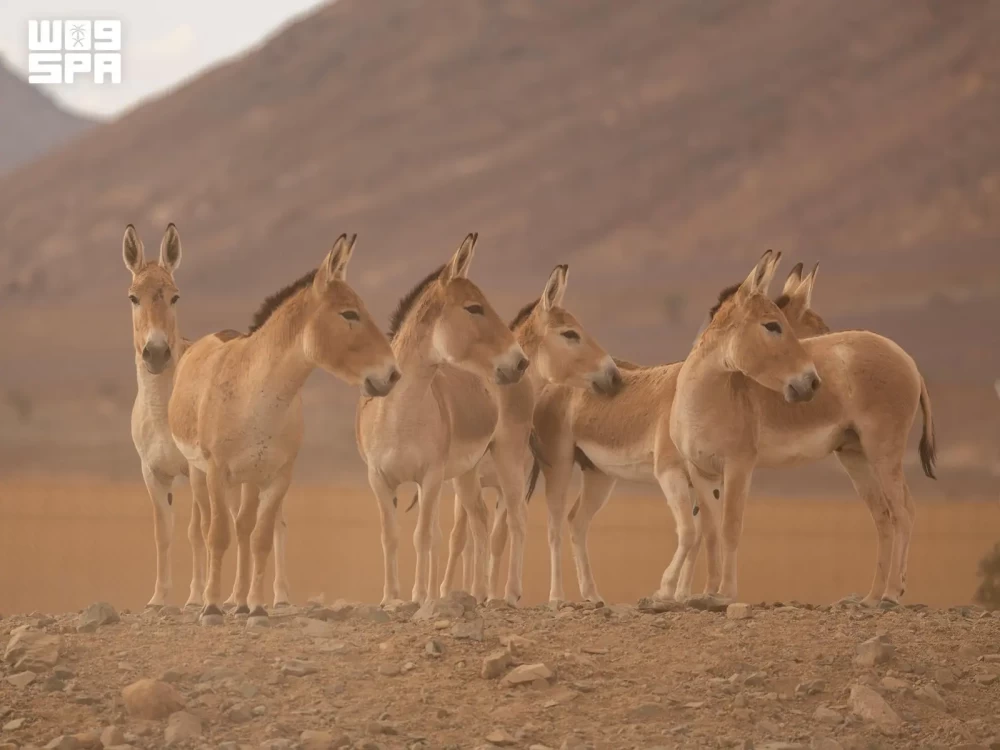
شهدت المملكة العربية السعودية تسجيل ولادة أول مهر للحمار البري الآسيوي منذ أكثر من 100 عام، في مؤشر لعودة كائنٍ غاب عن صحارى الجزيرة العربية لأكثر من قرن، وذلك في محمية الأمير محمد بن سلمان الملكية.
وأوضحت المحمية أن المهر الذكر ولد في يونيو 2025 في إطار برنامج إعادة الحياة الفطرية للجزيرة العربية الذي أطلقته المحمية بهدف إعادة توطين 23 نوعًا فطريًا إلى موائلها الطبيعية السابقة، وتم الكشف عن ولادته الآن بعد أن اجتاز المهر الأشهر الـ12 الأولى من حياته بنجاح، فالعام الأول من حياة الحمار البري هو الأكثر حرجًا، نظرًا إلى أن معدل البقاء لا يتجاوز 50% بين أمهار الحمر البرية.
كما تنتظر المحمية ولادة مهرين إضافيين هذا الشتاء؛ ما يعد مؤشرًا على نجاح جهود الحفاظ على هذا النوع، لاسيما في ظل توقعات الاتحاد الدولي لحفظ الطبيعة (IUCN) بانخفاض أعدادها بنسبة 90% بحلول عام 2050، في وقت تبقى فيه أقل من 600 منها في البرية حول العالم، بعد أن رفع الاتحاد في عام 2025 تصنيف هذا النوع إلى مهدد بالانقراض بشدة.
وأفاد الرئيس التنفيذي للمحمية أندرو زالوميس بأن ولادة أول مهر من الحمر البرية على أرض المملكة منذ أكثر من قرن تأتي تتويجًا لعملية إعادة التوطين التاريخية للحمر البرية في المملكة، التي بدأت بانتقالها من الأردن في أبريل 2024 بموجب شراكة إستراتيجية مع الجمعية الملكية لحماية الطبيعة، إذ قطعت 7 من الحمر البرية (5 إناث وذكران) مسافة 935 كيلومترًا برًا من محمية الشومري للأحياء البرية في الأردن وصولًا إلى مقرها الجديد في المحمية.
وشهدت الفترة الأولى بعد الوصول ولادة مهرة أنثى، تبعتها تجربتا ولادة لم يكتب لهما النجاح، ما يعكس التحديات الجسيمة والواقع الصعب الذي تفرضه عمليات إعادة التوطين في البرية.
وبعد فترة حمل تمتد إلى 11 شهرًا، يتعيّن على المهر حديث الولادة أن يتمكّن من الوقوف والرضاعة خلال فترة تتراوح بين 15 و20 دقيقة من الولادة، للحصول على اللبأ الضروري لبقائه على قيد الحياة. ويضم القطيع الحالي في المحمية 5 إناث و3 ذكور، بما في ذلك أفراد في مرحلة ما قبل البلوغ، ويُعد هذا القطيع المجموعة الوحيدة من هذا النوع في السعودية.
The Kingdom of Saudi Arabia has witnessed the birth of the first foal of the Asian wild donkey in over 100 years, indicating the return of a creature that has been absent from the deserts of the Arabian Peninsula for more than a century, in the Prince Mohammed bin Salman Royal Reserve.
The reserve clarified that the male foal was born in June 2025 as part of the wildlife restoration program for the Arabian Peninsula launched by the reserve, aimed at reintroducing 23 wild species to their former natural habitats. The birth has now been announced after the foal successfully passed the first 12 months of its life, as the first year of a wild donkey's life is the most critical, given that the survival rate does not exceed 50% among wild donkey foals.
The reserve is also expecting the birth of two additional foals this winter, which is a sign of the success of conservation efforts for this species, especially in light of the International Union for Conservation of Nature (IUCN) predictions of a 90% decline in their numbers by 2050, at a time when fewer than 600 remain in the wild worldwide, after the Union upgraded the status of this species to critically endangered in 2025.
Andrew Zalomis, the CEO of the reserve, stated that the birth of the first wild donkey foal on Saudi soil in over a century is a culmination of the historic reintroduction process of wild donkeys in the Kingdom, which began with their transfer from Jordan in April 2024 under a strategic partnership with the Royal Society for the Conservation of Nature. Seven wild donkeys (5 females and 2 males) traveled 935 kilometers overland from the Shaumari Wildlife Reserve in Jordan to their new home in the reserve.
The initial period after their arrival saw the birth of a female foal, followed by two unsuccessful birth attempts, reflecting the significant challenges and harsh realities imposed by reintroduction efforts in the wild.
After a gestation period of 11 months, the newborn foal must be able to stand and nurse within 15 to 20 minutes of birth to obtain the essential colostrum needed for its survival. The current herd in the reserve consists of 5 females and 3 males, including individuals in the pre-adolescent stage, and this herd is the only group of this species in Saudi Arabia.